The Library
Readings
Long-form studies of Armenian jewelry — its history, its craft, and the cultures that carried it.
Long-form, primary-source readings on Armenian jewelry — every piece traced to the record, newest first, gathered by pillar.
Featured reading
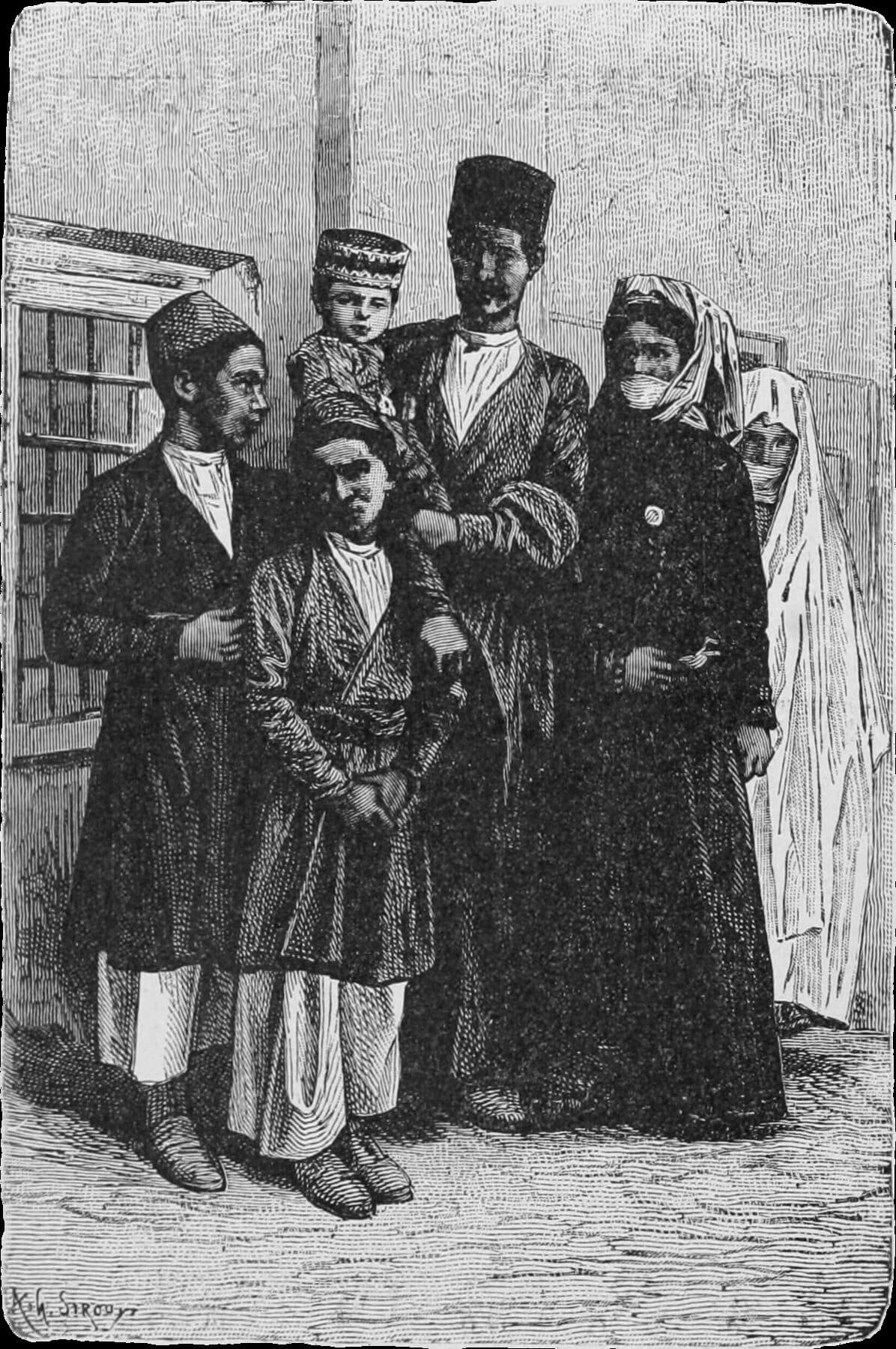
The betrothal
Khoskap: The Tying of the Word in the Armenian Betrothal
Before the wedding there was a sentence. How two families bound themselves to become in-laws — and why the oldest token of the promise was not a ring but a cross.
Latest readings
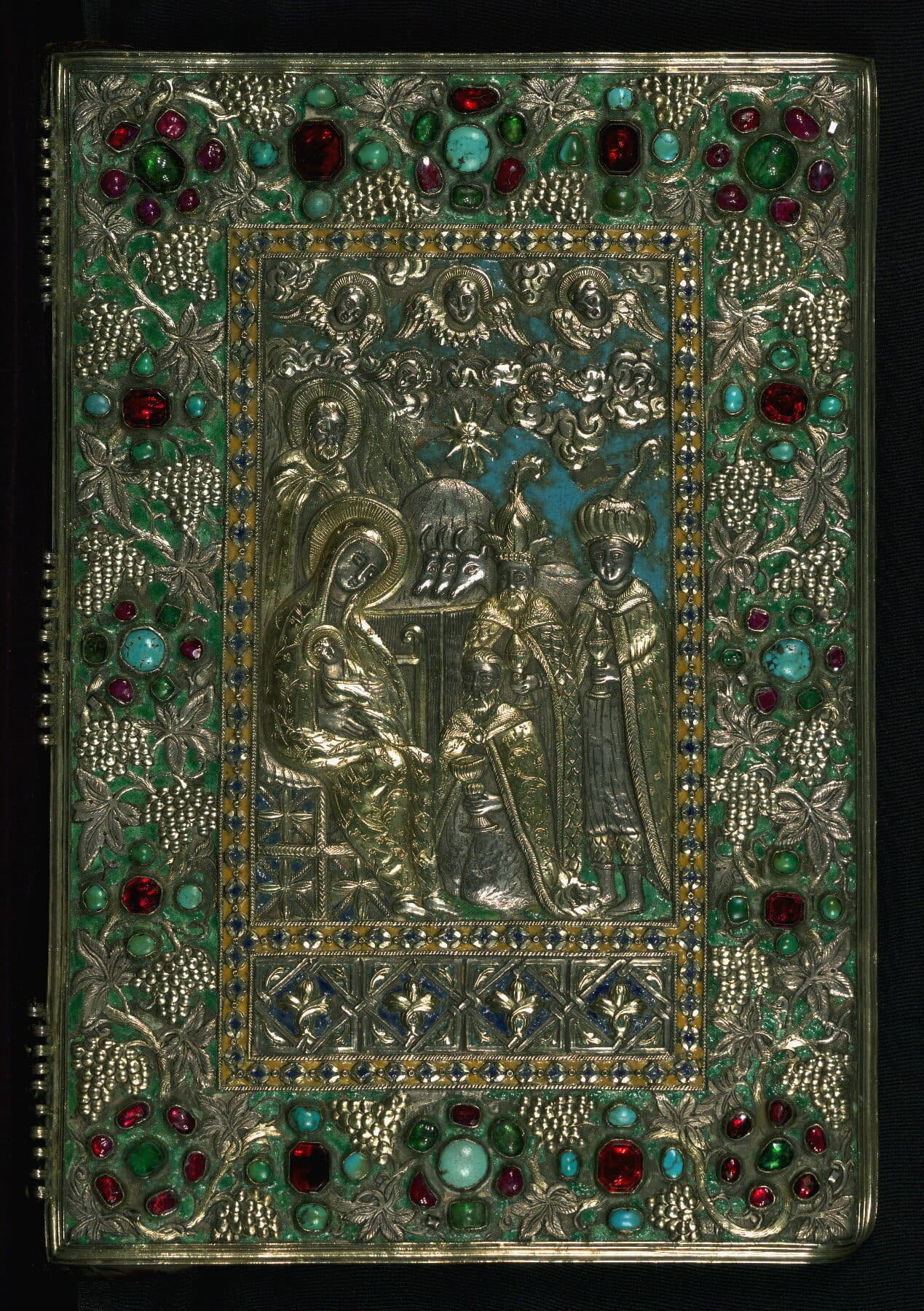
The long arcGoldsmithing
A History of the Armenian Goldsmiths
Three thousand years of metal in one graded survey — from the master metalworkers of Urartu to the Ottoman mint and the filigree workshops of Van.
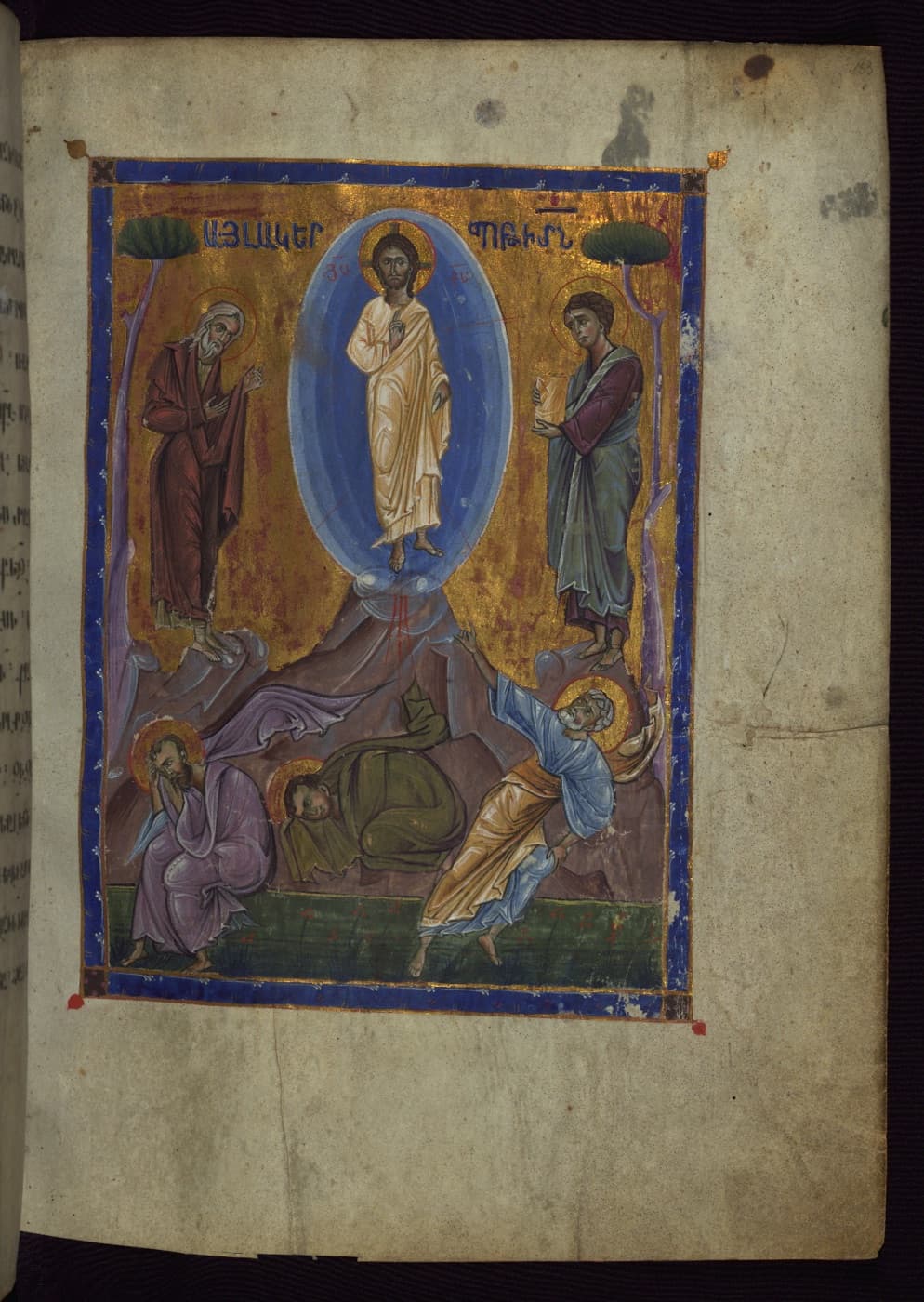
The water feastHeritage Calendar
Vardavar
The Armenian festival of water and roses, and the Feast of the Transfiguration it became — why Armenians douse one another with water, and the goddess Astghik behind the roses.
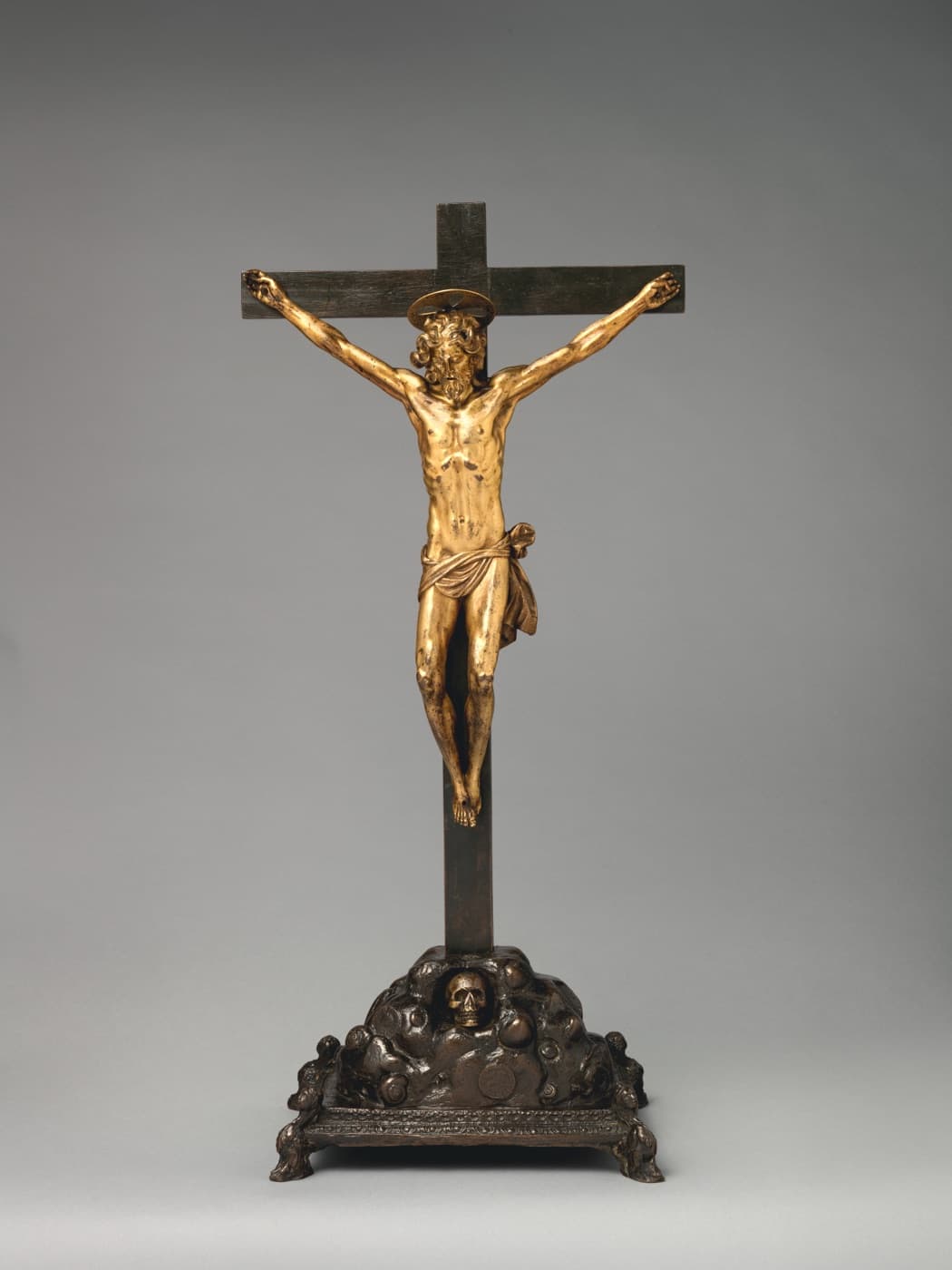
The gilded surfaceCraft & Materials
Fire-Gilding (Mercury Gilding)
The pre-modern way gold was bonded to silver and copper — a gold–mercury amalgam, heated until the mercury burns off — behind the gilt surface of silver-gilt church metalwork.
Goldsmithing
Visit the pillarThe long arc
A History of the Armenian Goldsmiths
Three thousand years of metal in one graded survey — from the master metalworkers of Urartu to the Ottoman mint and the filigree workshops of Van.
Casting
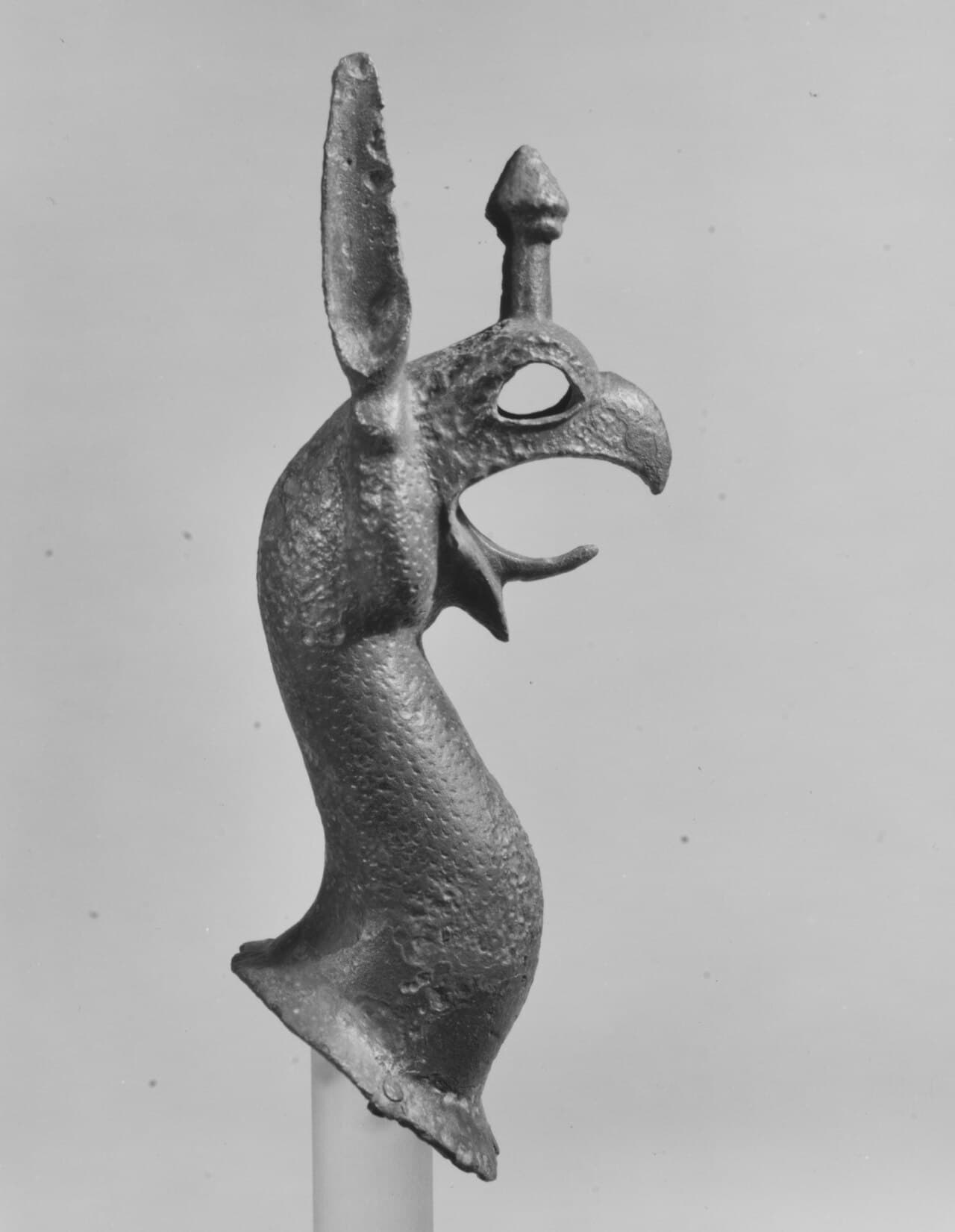
Lost-Wax Casting: A Technique Primer
How metal is cast from a wax model — the cire-perdue method, and its documented place in Urartian goldsmithing.
The Ottoman centuries
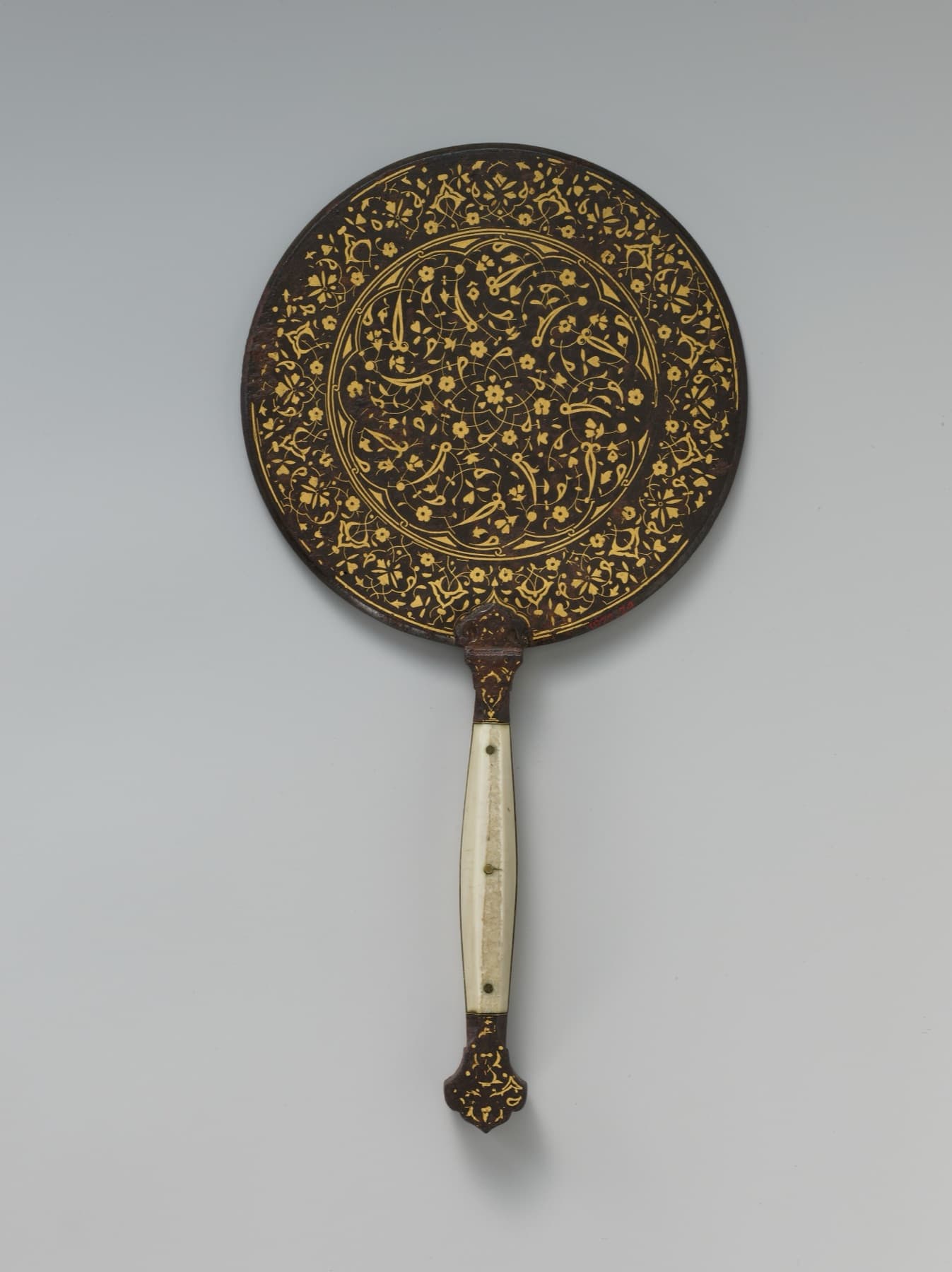
Armenian Goldsmiths of the Ottoman Court
The Armenian masters — the amira class — who ran the Ottoman treasury, the imperial mint, and the empire's luxury craft.
The diaspora trade
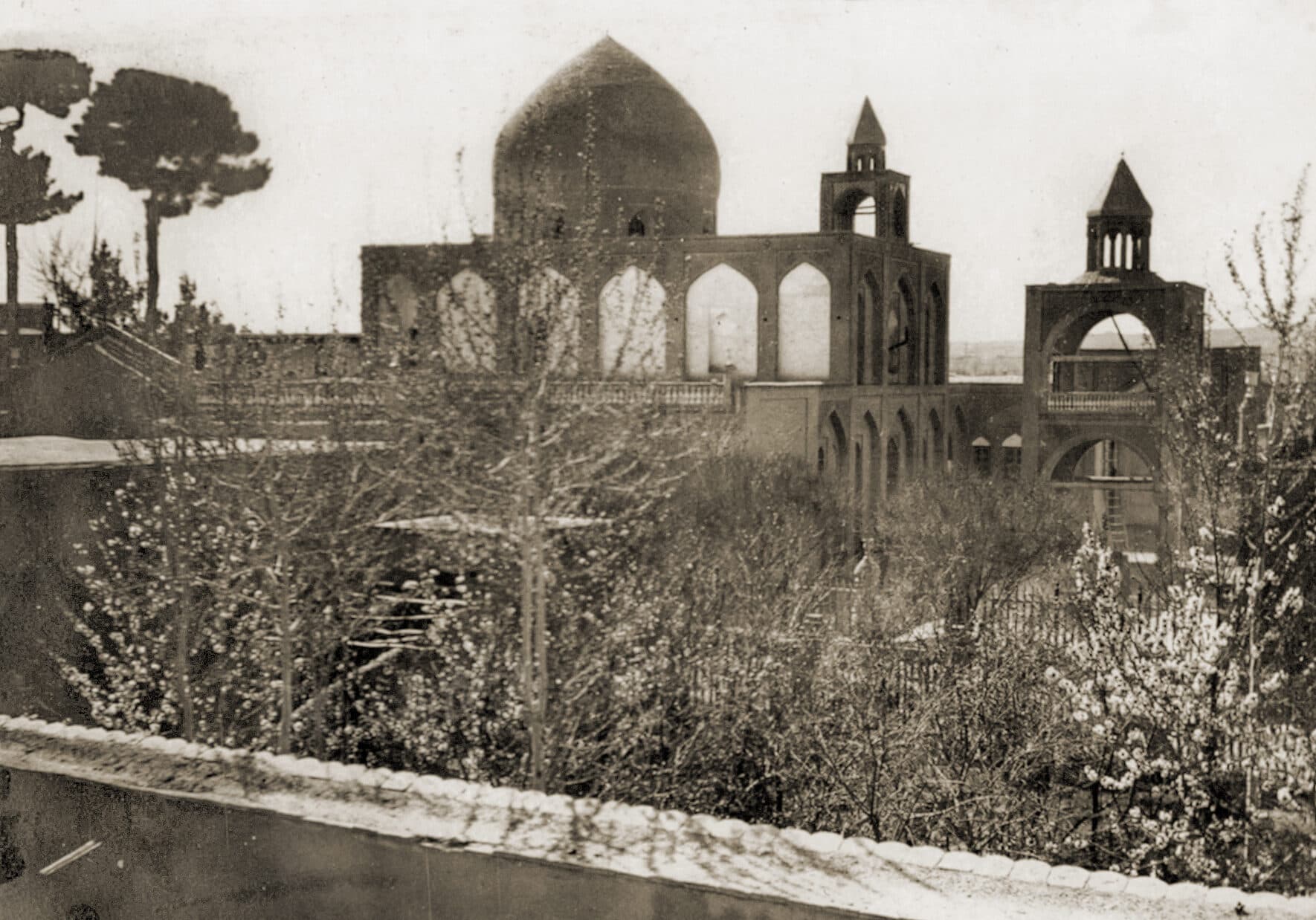
New Julfa and the Gem Trade
The Armenian merchant diaspora of New Julfa and its role in the early-modern trade in silk and precious stones.
The craft
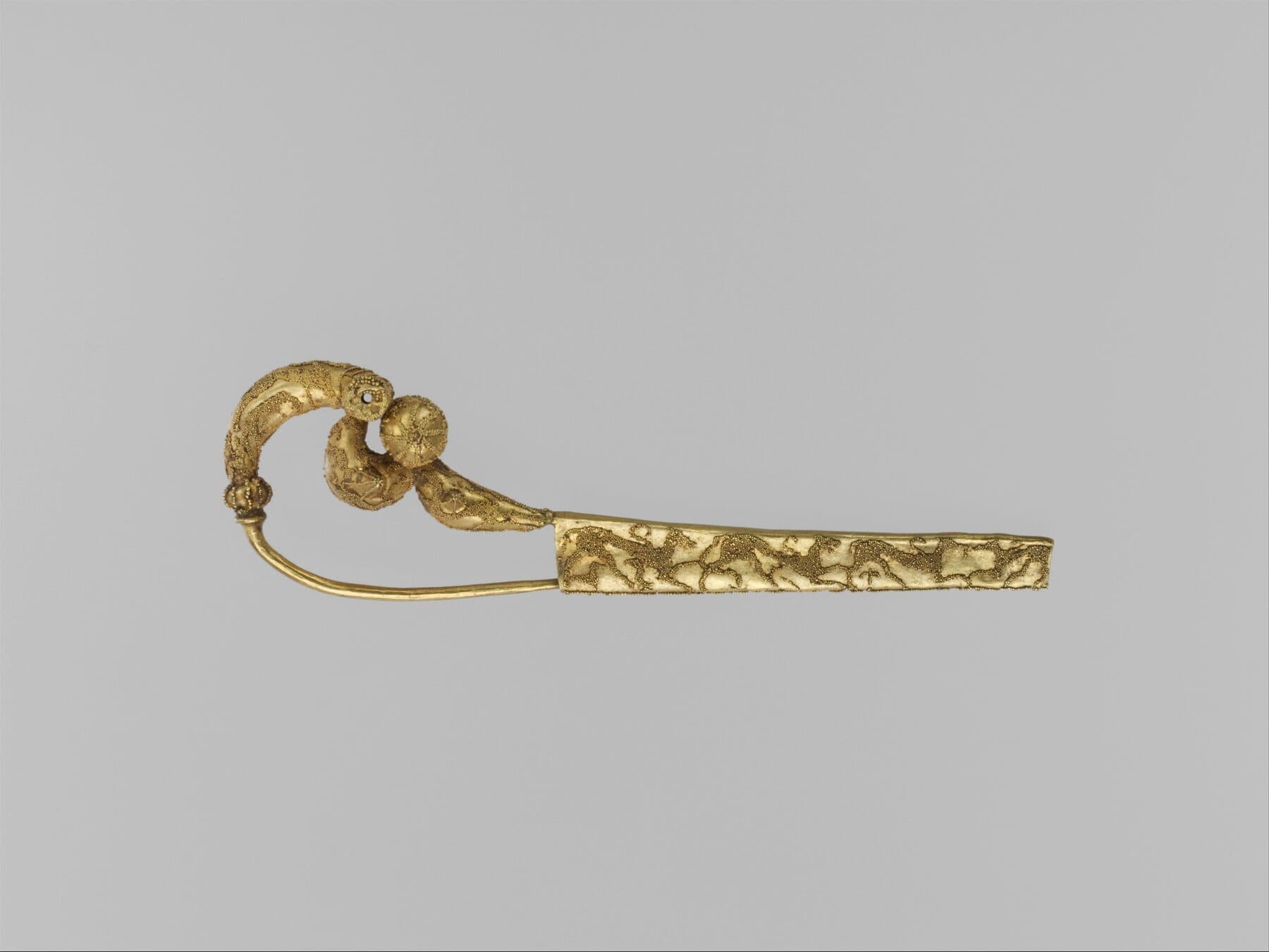
Filigree & Granulation: A Technique Primer
How the two signature techniques of Armenian goldwork are made — twisted wire and fused grains of gold.
The Iron Age
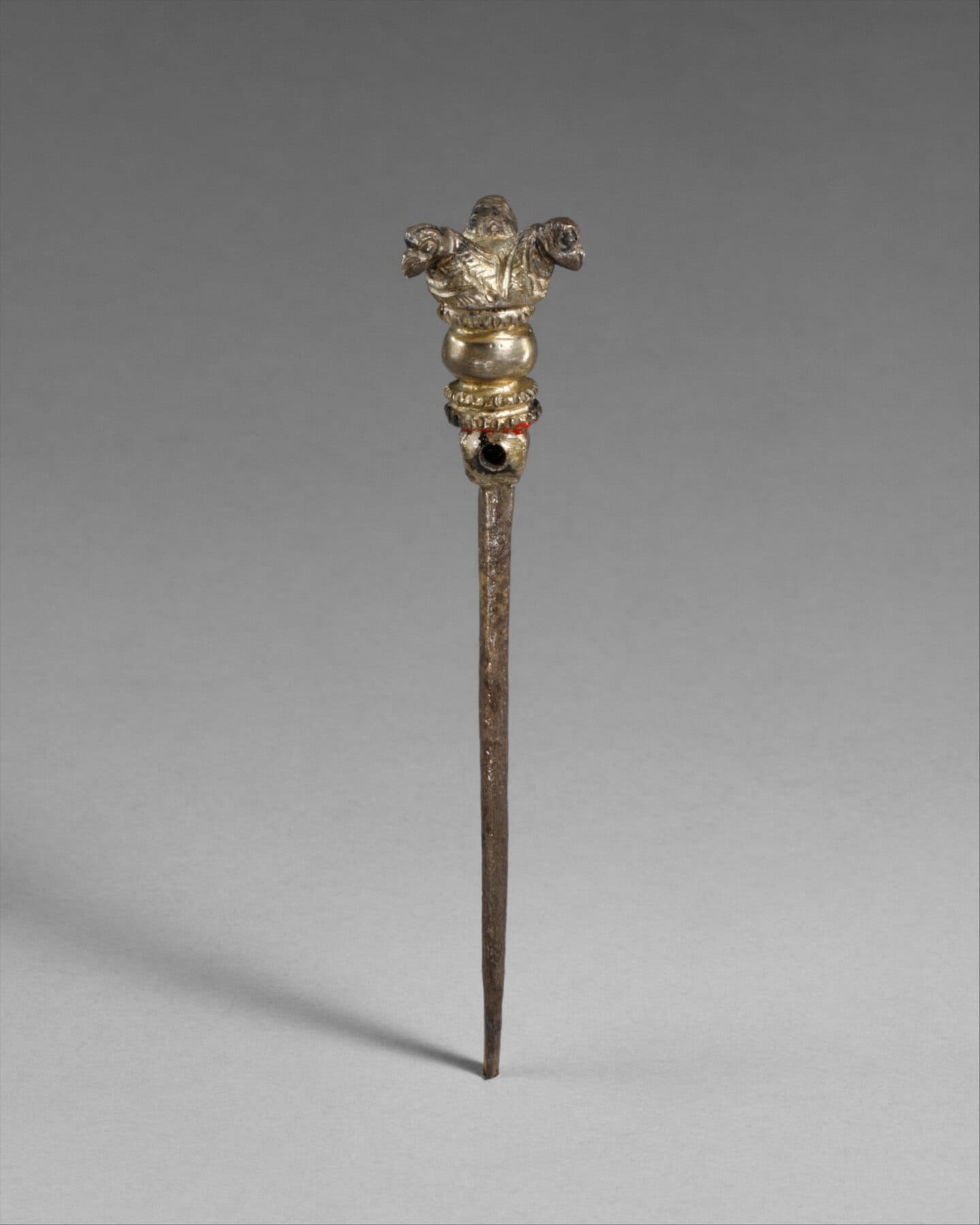
Ancient Armenian (Urartian) Goldsmithing
The metalwork of the Kingdom of Van — and why museums from Yerevan to the Met call Urartu, simply, a metalworking center.
Symbols
Visit the pillar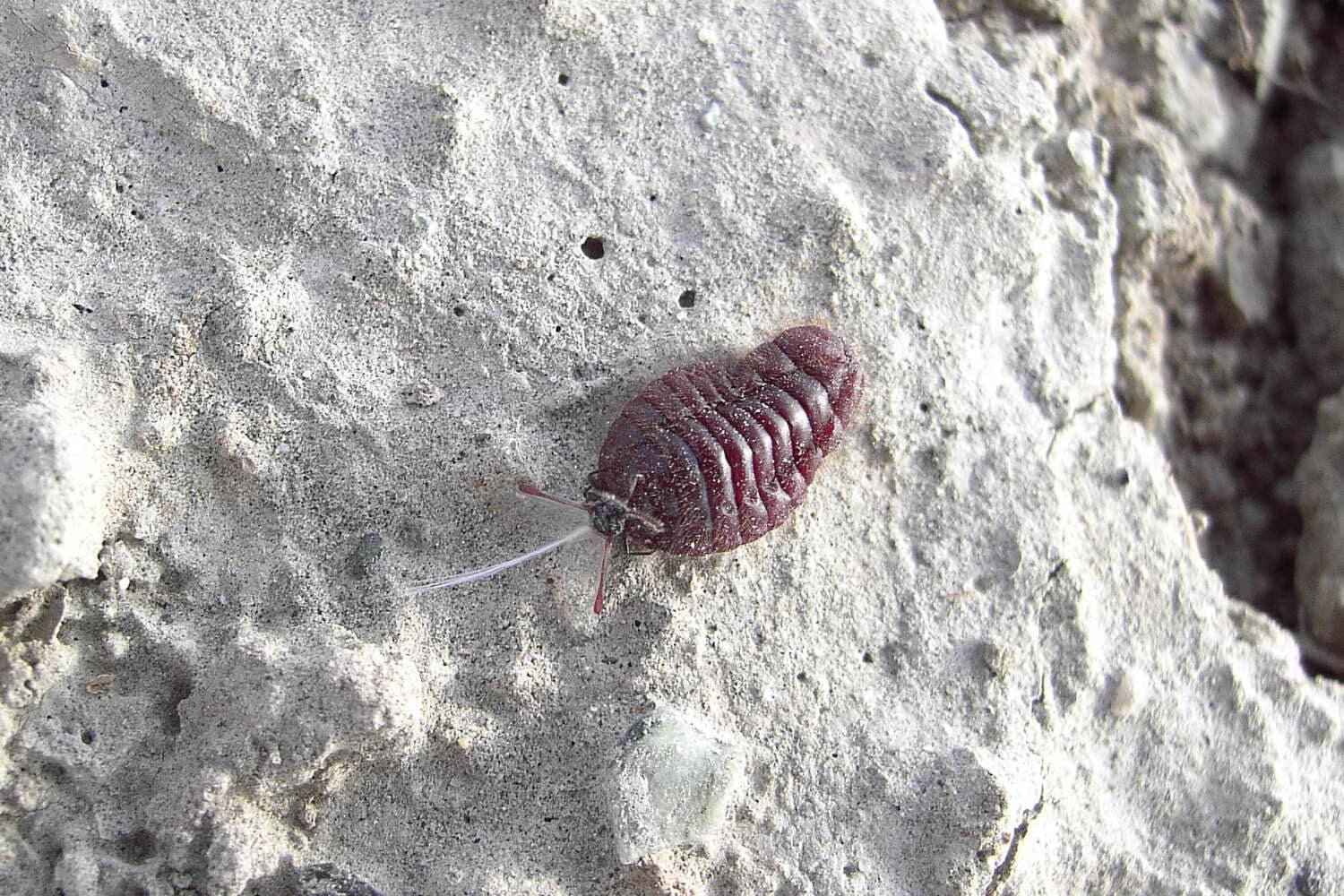
Porphyrophora hamelii, the Armenian (Ararat) cochineal · Vahe Martirosyan (vahemart) · CC BY-SA 3.0
Symbols & colour
Vordan Karmir: Armenia's Insect-Born Crimson
The Ararat-plain cochineal that named a colour and dyed kings' velvet — and the line between proof and legend.
Symbols & stone
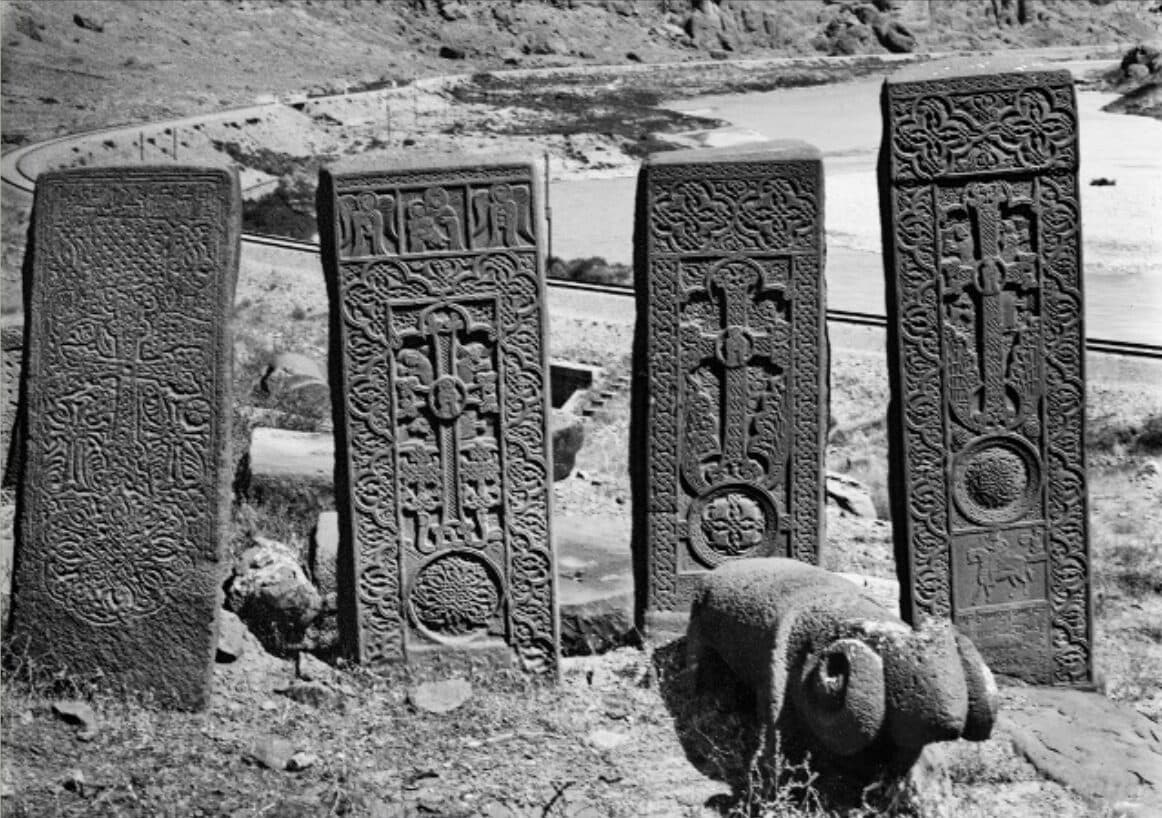
Khachkars: The Geometry of Armenia's Cross-Stones
The UNESCO-inscribed carving tradition — and the modular geometry behind why no two are alike.
Symbols & meaning
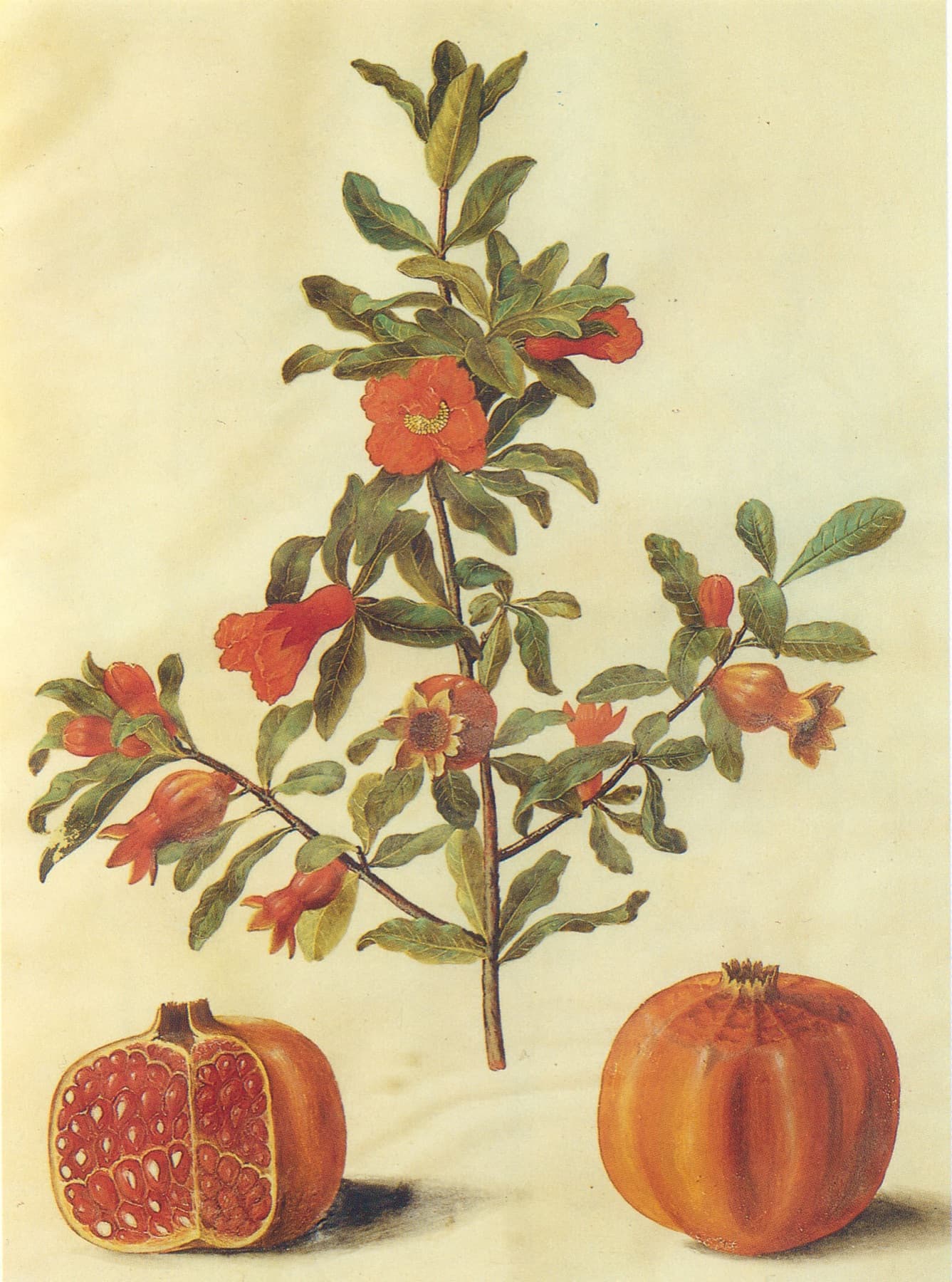
The Pomegranate: Abundance, Art, and the Truth Behind “365 Seeds”
What the pomegranate actually means in Armenian tradition and art — fact and folklore.
Symbols & nature
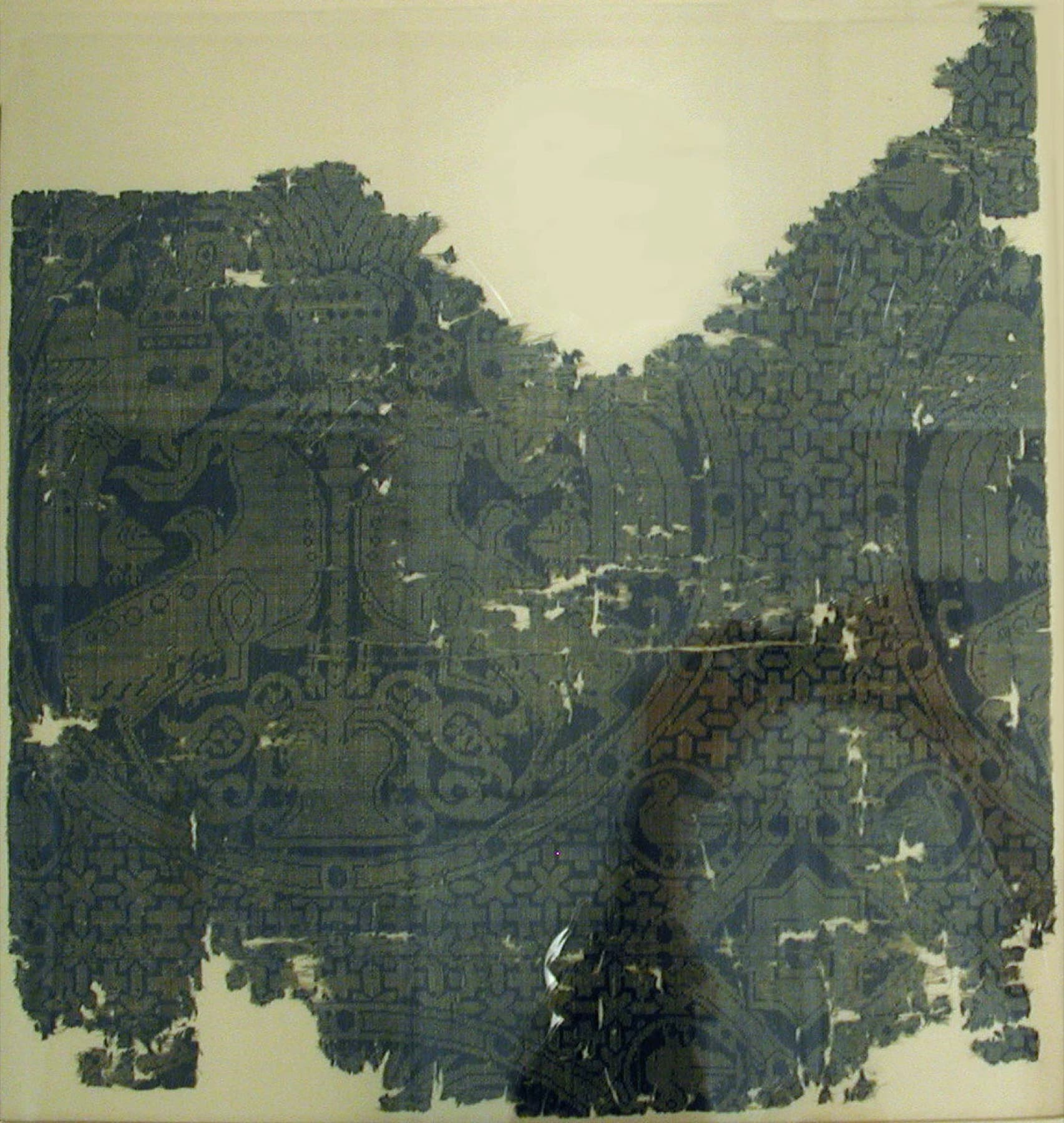
The Tree of Life in Armenian Art
From the Urartian sacred tree to the blossoming cross — one motif across metal, manuscript, stone, and wool.
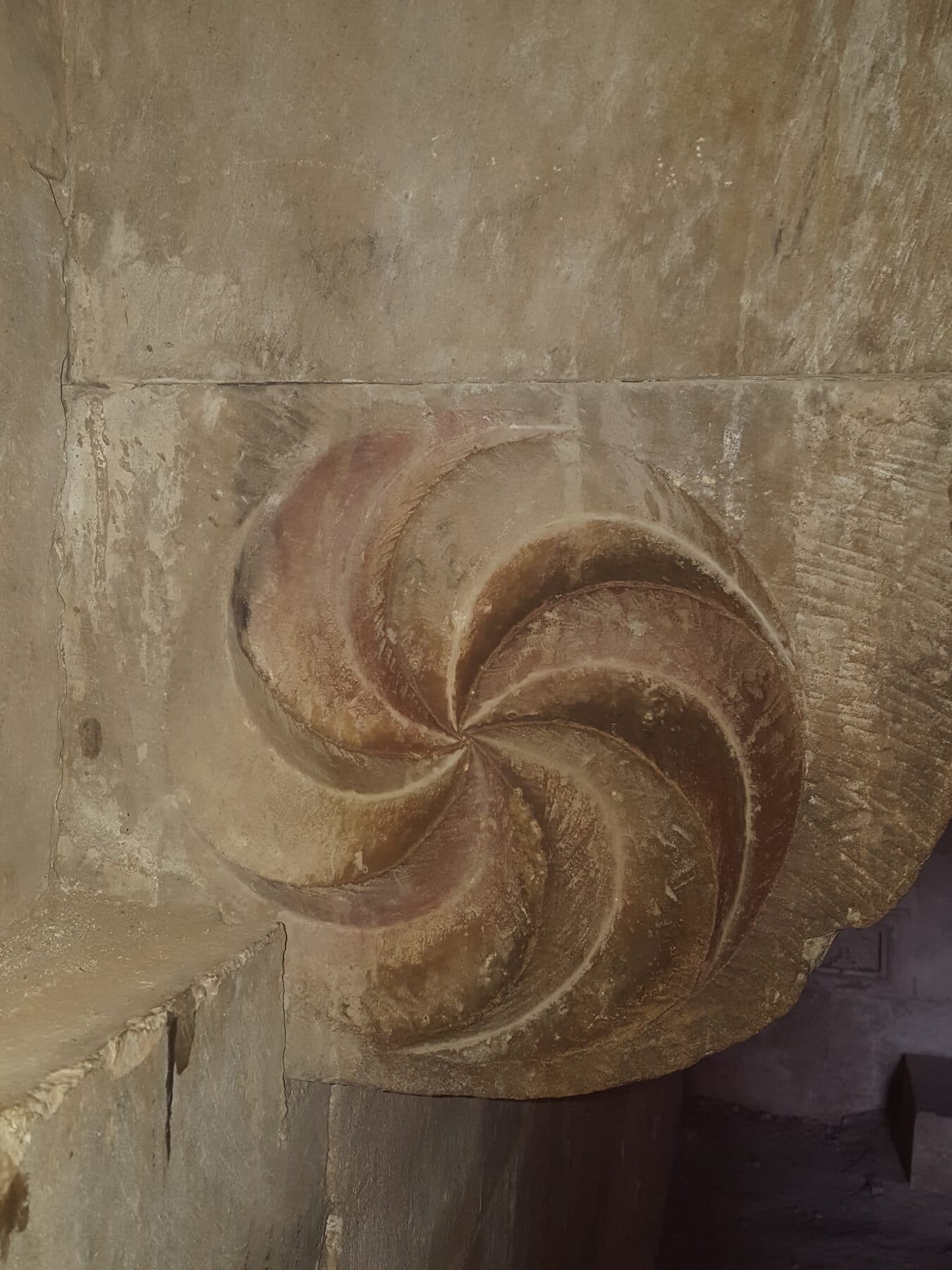
Armenian eternity sign at Noravank monastery · Yerevantsi · CC BY-SA 4.0
Symbols & eternity
The Armenian Eternity Sign (Arevakhach)
The whirling disc that means eternity — its medieval meaning, the “sun-cross” myth, and its modern life on coins and in Unicode.
Symbols & script
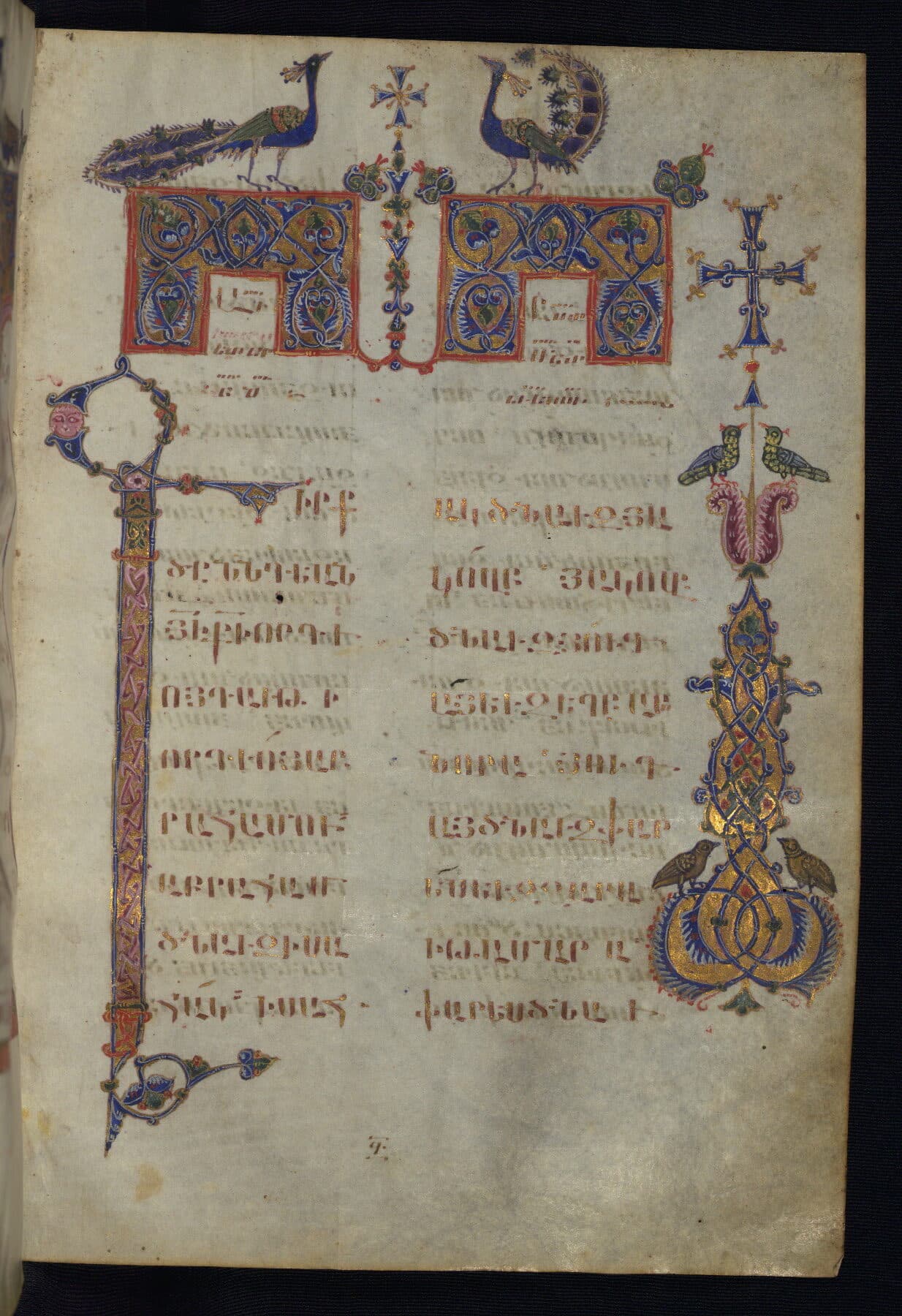
Armenian Letters as Ornament
How the alphabet of 405 became a decorative art — from iron-letters to the bird-letters (trchnagir).
Wedding & Ceremony
Visit the pillarThe betrothal
Khoskap: The Tying of the Word in the Armenian Betrothal
Before the wedding there was a sentence. How two families bound themselves to become in-laws — and why the oldest token of the promise was not a ring but a cross.
The sponsor
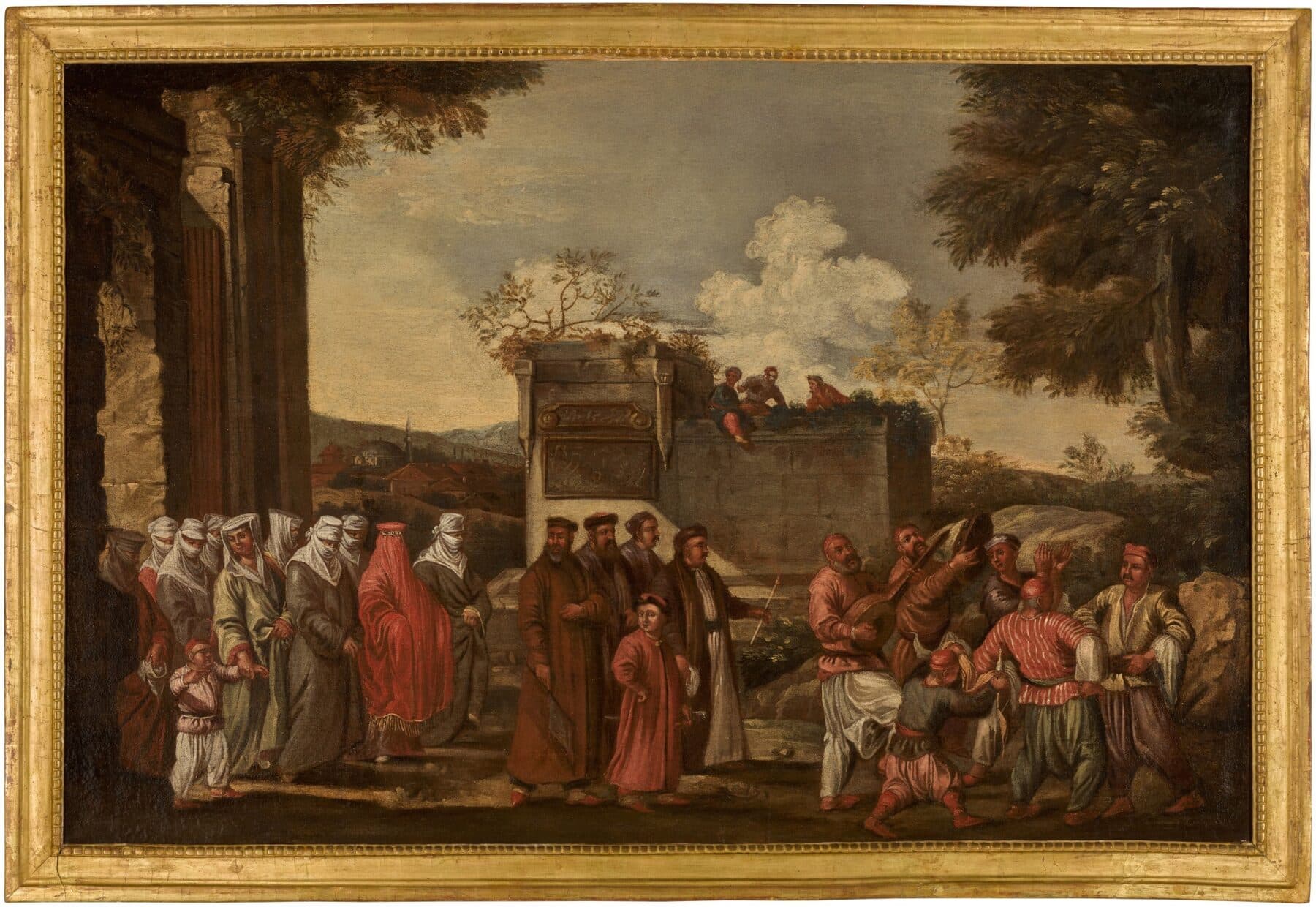
The Kavor: The Sponsor at the Heart of the Armenian Wedding
In Armenian tradition the kavor is far more than a wedding witness — a sacred sponsor and lifelong mediator whose bond reaches across the whole lineage and into the next generation.
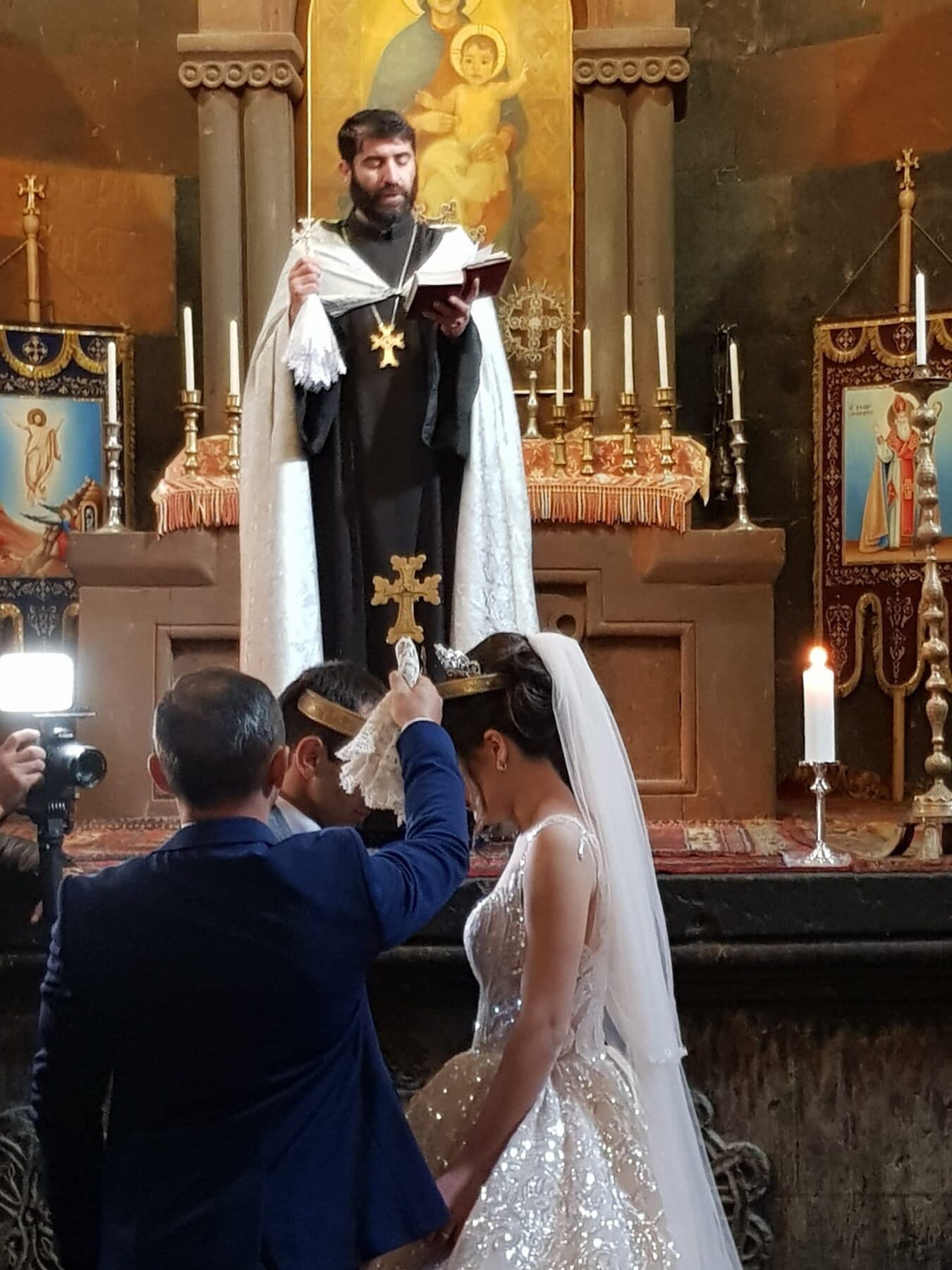
Wedding crowning at Khor Virap church · Armineaghayan · CC BY-SA 4.0
The crowning
Psak: The Crowning and the Bridal Adornment of the Armenian Wedding
In the Armenian church rite the marriage is not “signed” — it is crowned. A look at the psak, the green-and-red narot cord, and the veil and silver diadem of the bride, as liturgical and ethnographic culture.
The sacred cord
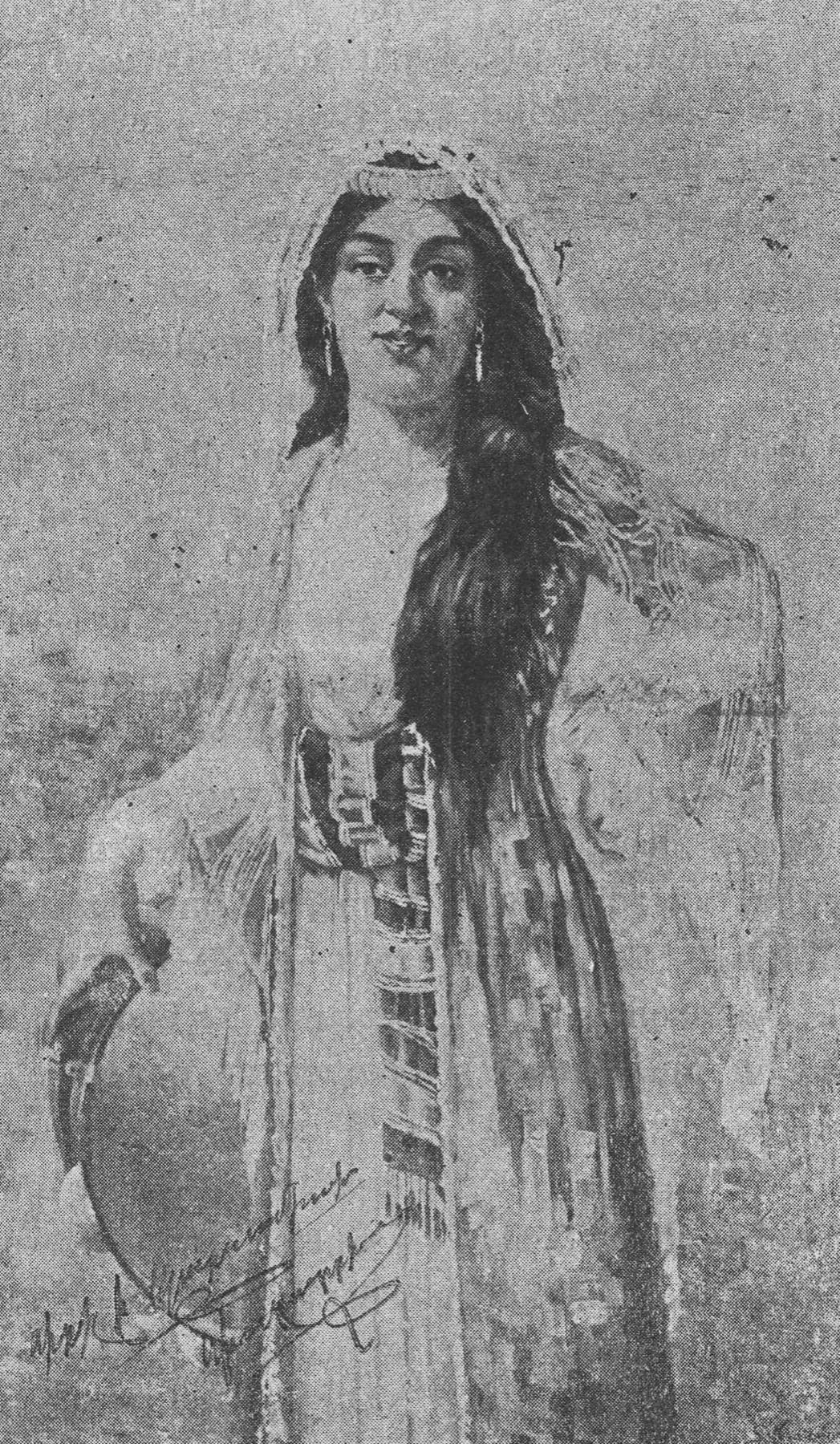
The Narot: The Red-and-Green Cord of the Armenian Wedding
A braided cord of red, green, and white thread, tied on the heads of bride and groom at the Armenian church crowning — and what its colours have meant in folk belief and language.
Craft & Materials
Visit the pillarThe gilded surface
Fire-Gilding (Mercury Gilding)
The pre-modern way gold was bonded to silver and copper — a gold–mercury amalgam, heated until the mercury burns off — behind the gilt surface of silver-gilt church metalwork.
The worked surface
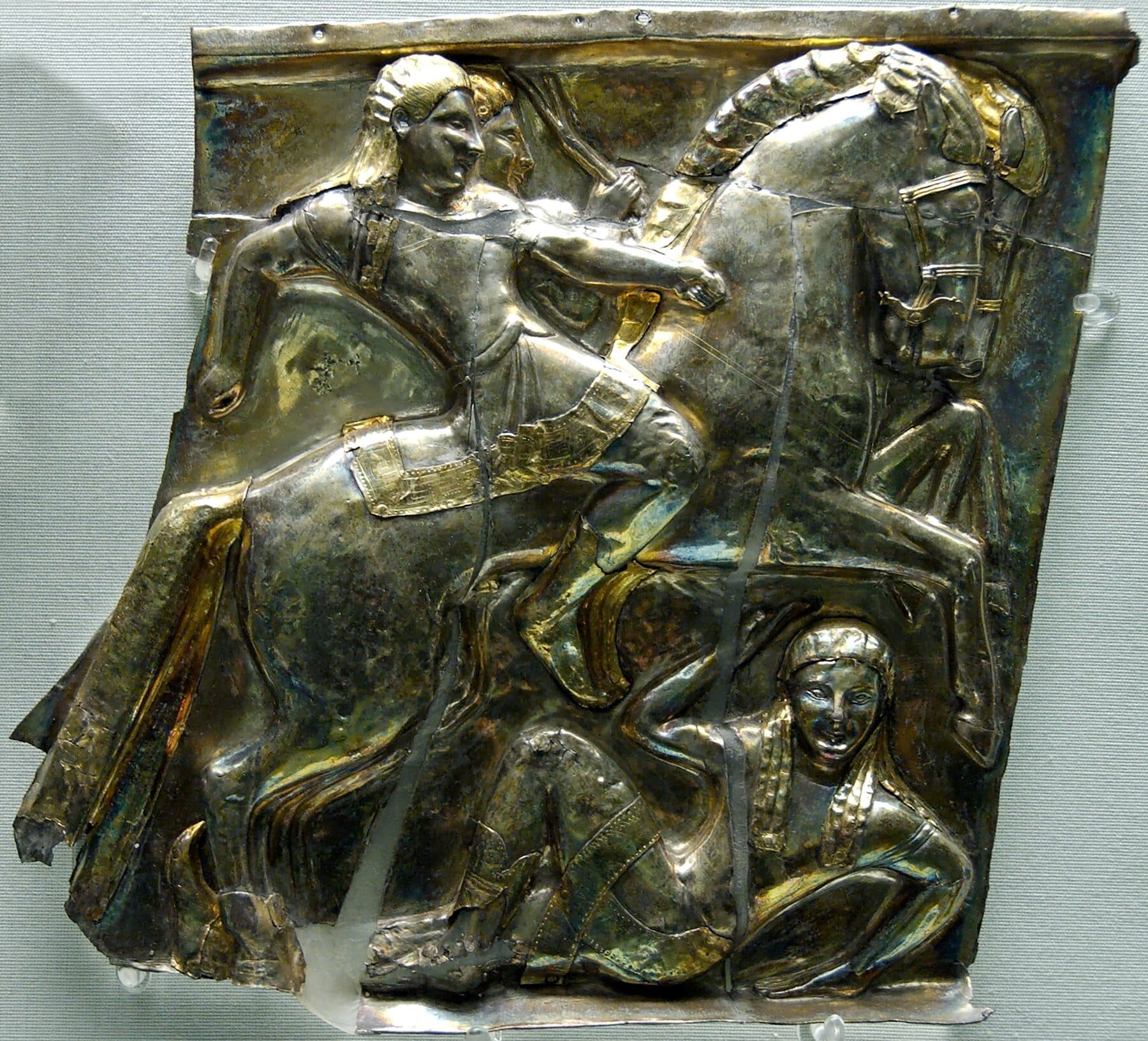
Repoussé and Chasing
Repoussé raises a design from the back of the metal and chasing sharpens it from the front — the paired techniques behind Armenian gilded-silver Gospel covers.
Blackened silver
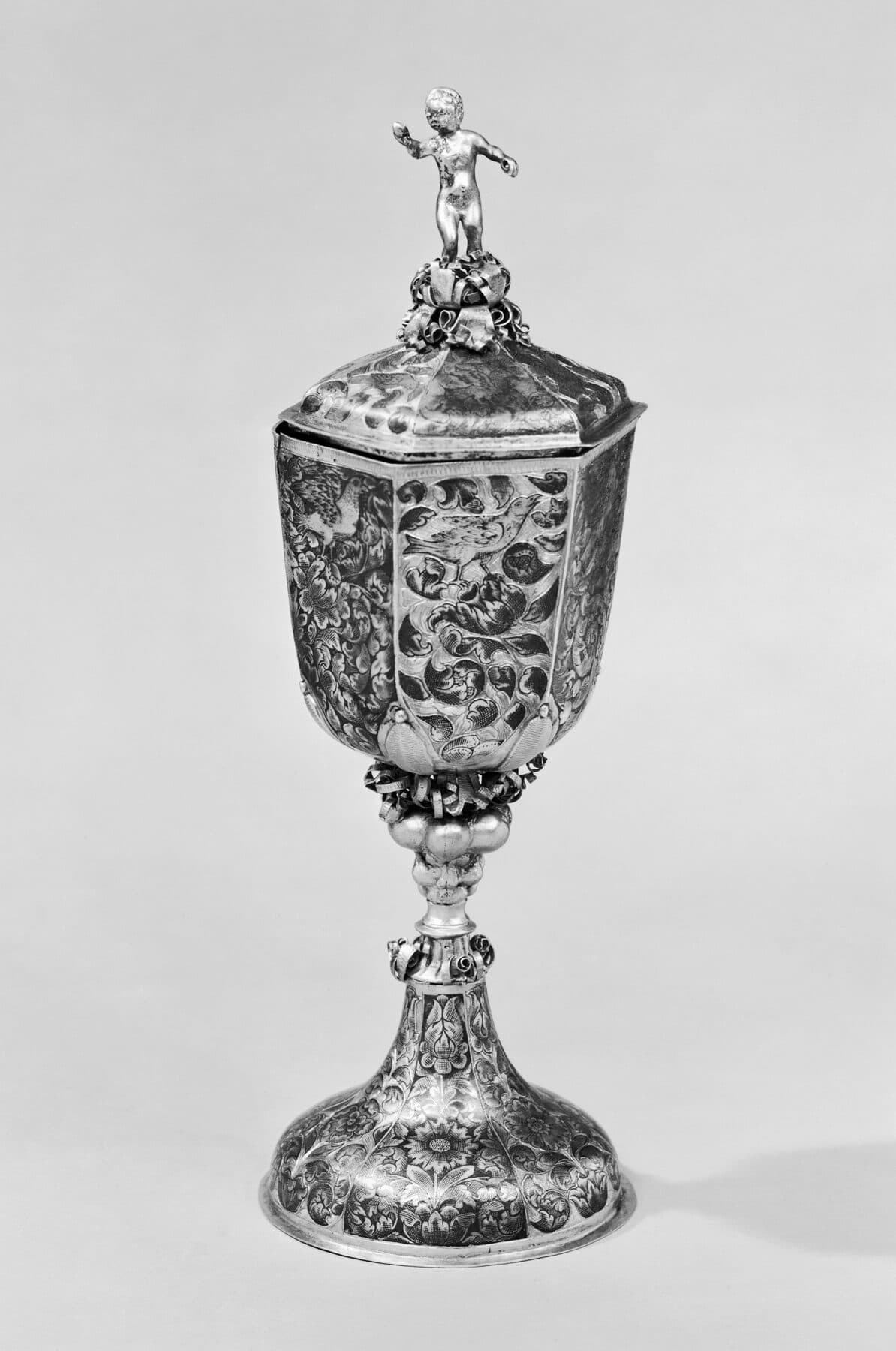
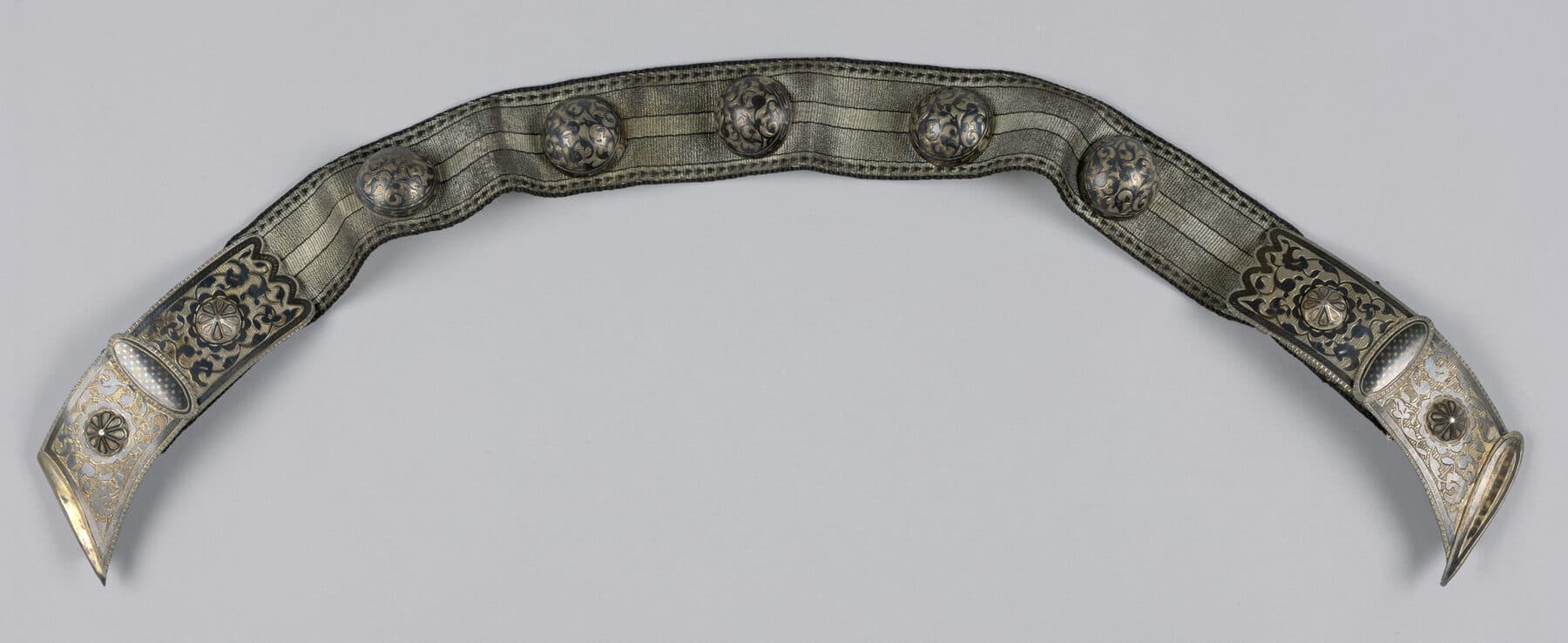
Niello and the Armenian Tradition of Blackened Silver
How Armenian silversmiths in Van, Constantinople, and Tabriz turned engraved silver and a black sulfide alloy into belts, buckles, and liturgical metalwork — and where the technique comes from.
Vitreous enamel
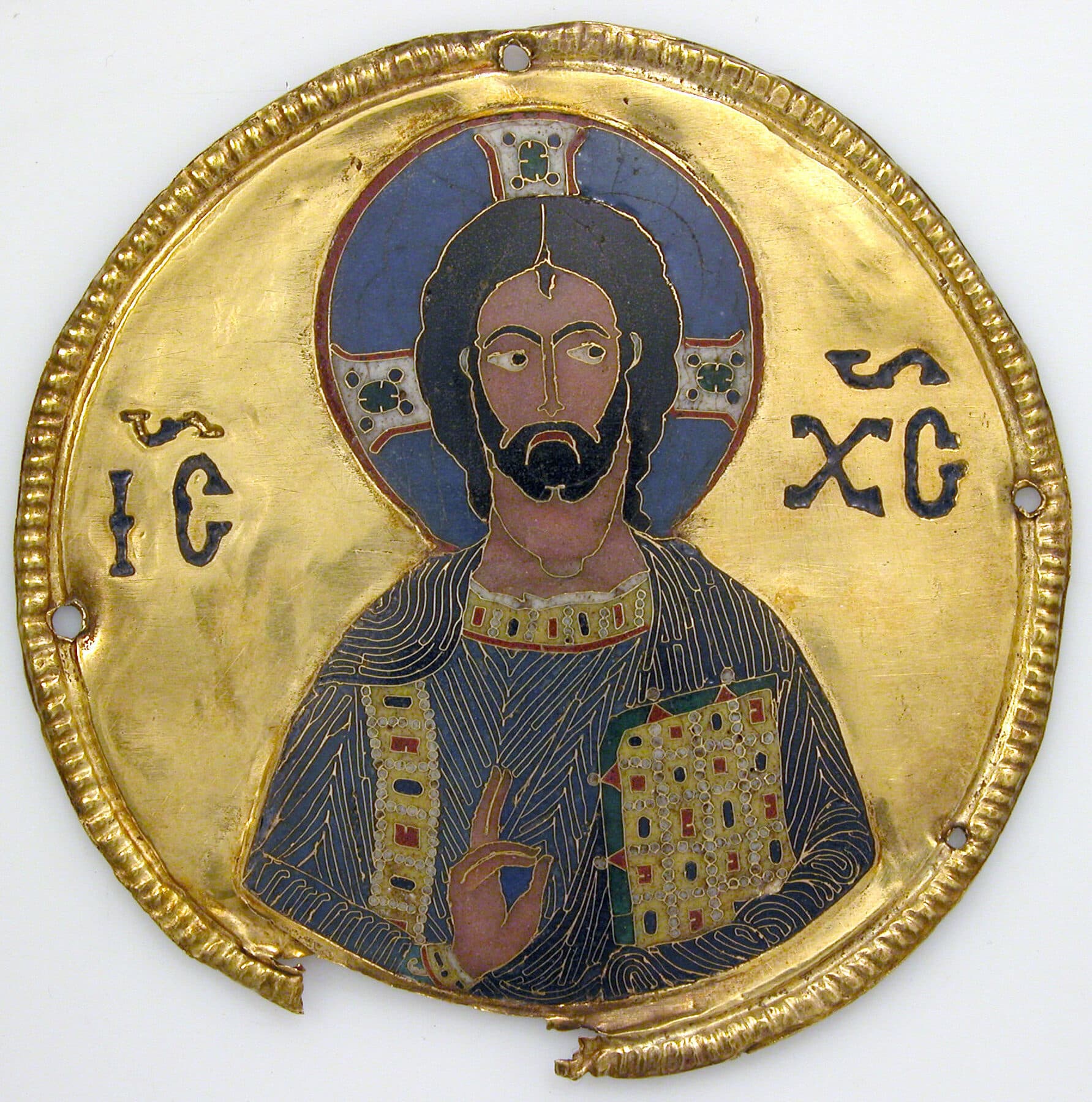
Cloisonné Enamel and the Armenian Art of Mina
What cloisonné enamel is, and how Armenian masters set vitreous enamel into the sacred metalwork of Cilicia and after — from the 1293 Skevra reliquary to a 1691 Gospel cover, with a note on the words ardzn and mina.
The maker's mark
Marks of the Hand: Armenian Silver Inscriptions and Guilds
How Armenian silversmiths signed, stamped, and regulated their work — maker's punches beside Ottoman tugra and Russian assay marks, and the hamkarutyun guilds that stood behind the hand.
Heritage Calendar
Visit the pillarThe water feast
Vardavar
The Armenian festival of water and roses, and the Feast of the Transfiguration it became — why Armenians douse one another with water, and the goddess Astghik behind the roses.
The fire feast
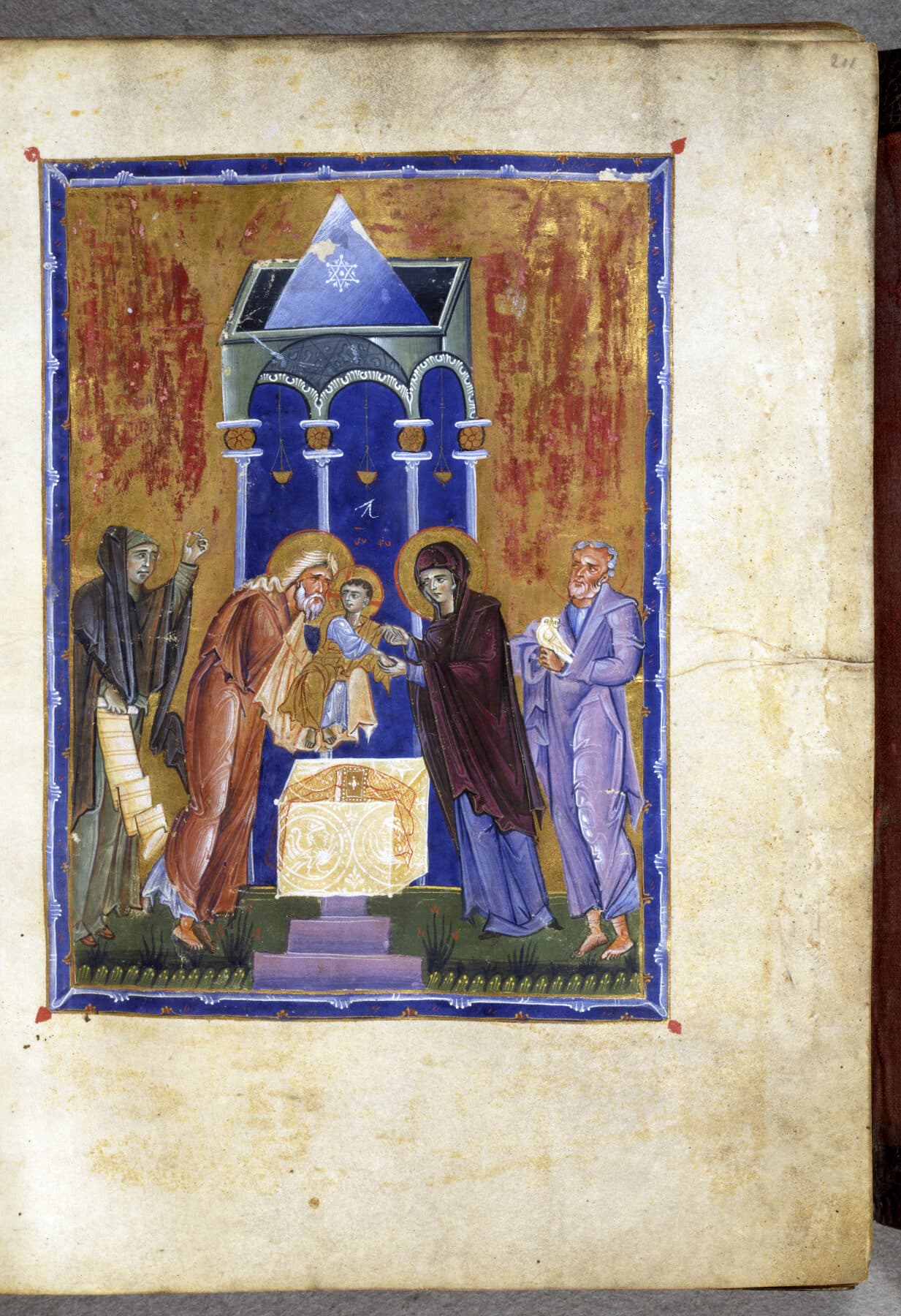
Trndez: The Armenian Feast of Fire and the Presentation
Why Armenians light a bonfire on the eve of 14 February — the pre-Christian fire feast that survives inside the Church's Presentation of the Lord, and the flames that couples still leap.
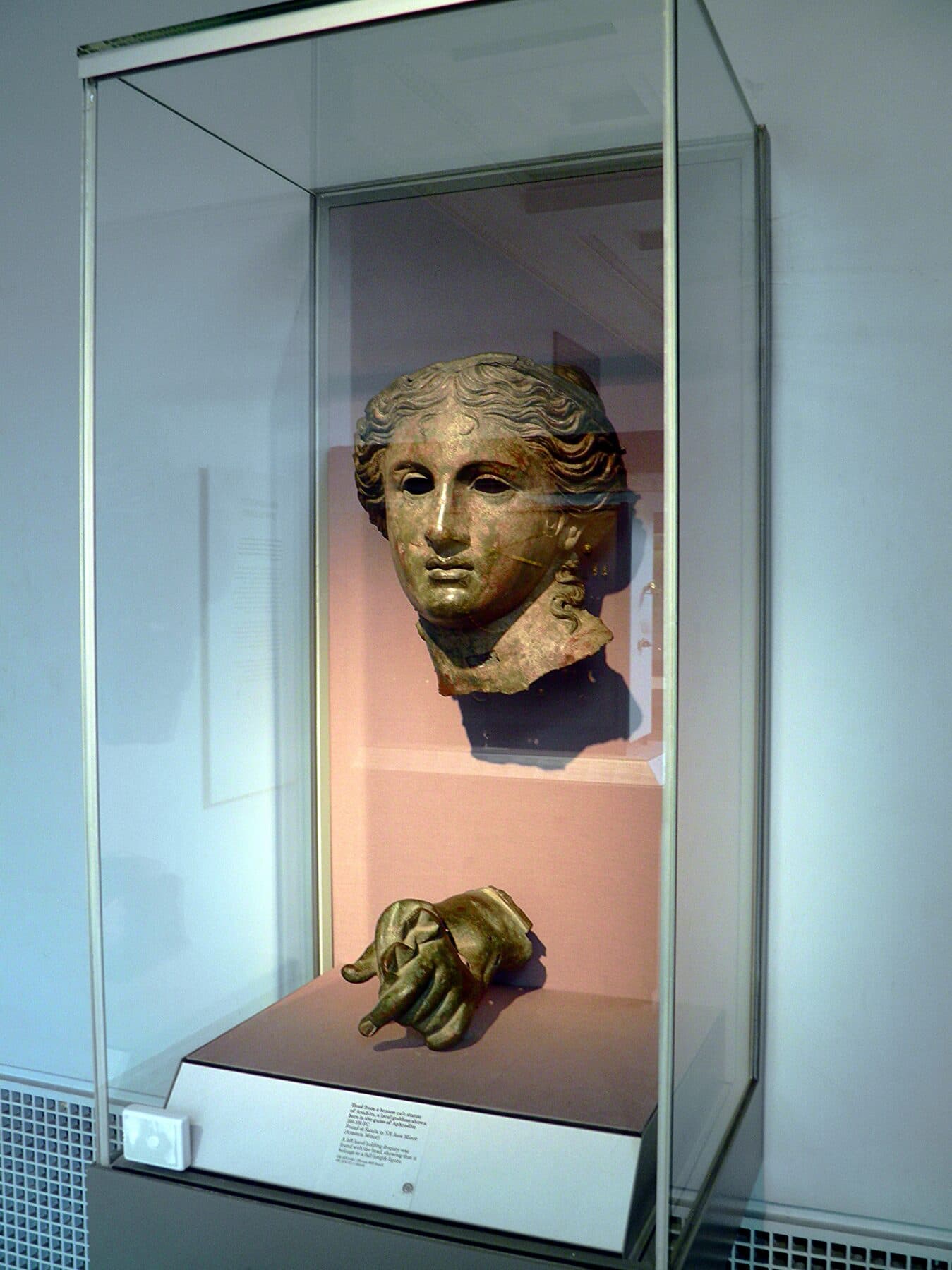
Bronze head of Anahita (in the guise of Aphrodite), Satala, c. 200–100 BC · photo Carole Raddato · CC BY-SA 2.0
The ancient new year
Navasard: The Ancient Armenian New Year
The pagan Armenian New Year feast — Amanor under the god Vanatur at the sanctuary of Bagavan — and the cult of the goddess Anahit, whose Hellenistic bronze head survives in the British Museum.