The Year
Heritage Calendar
Trndez, Navasard, and the feasts of the Armenian year — adornment and tradition across the cultural calendar.
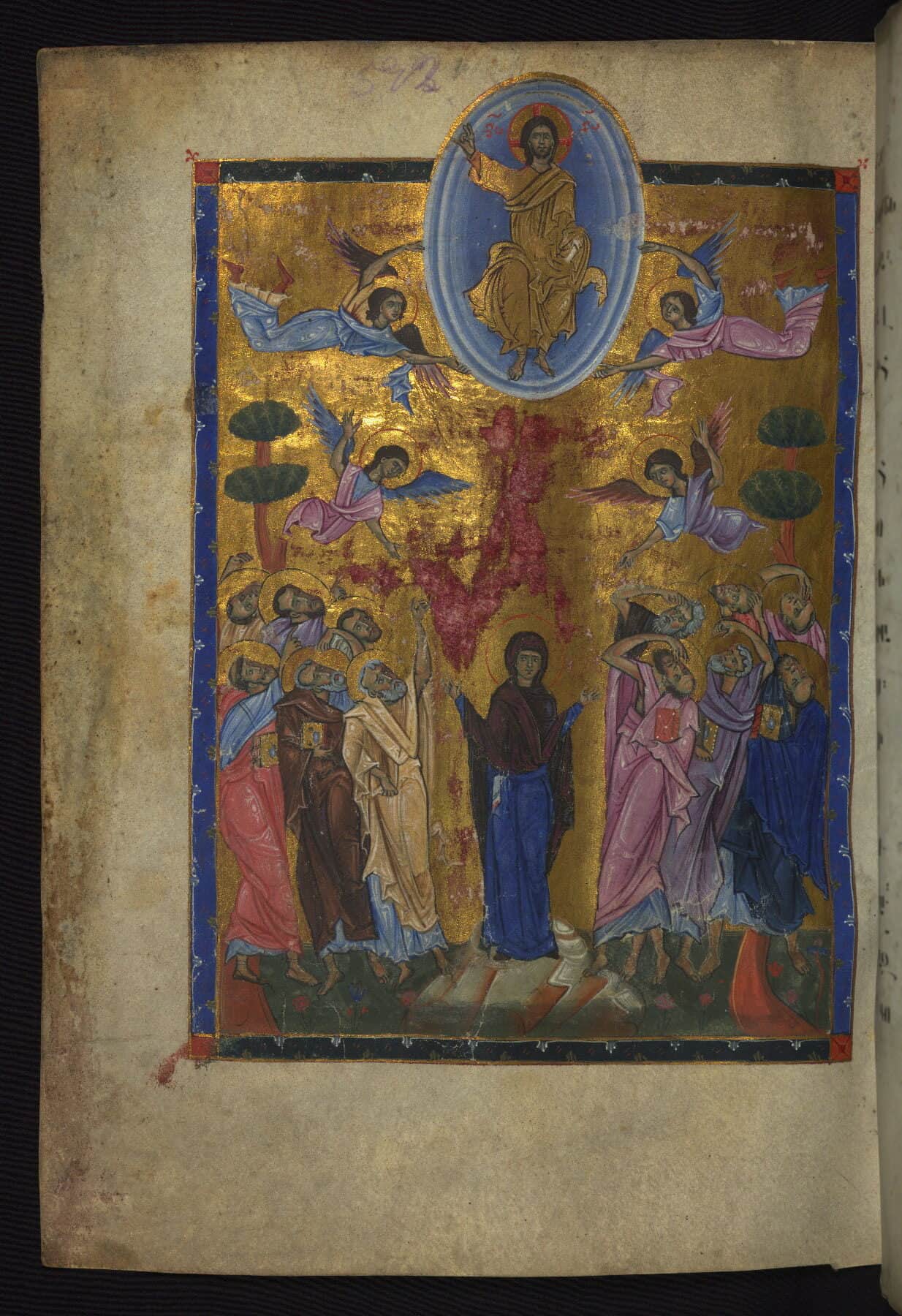
The Armenian feast-year is a calendar of two layers. Above is the Christian year of the Armenian Apostolic Church; below is an older pre-Christian year of fire, water, and new-year custom that the Church absorbed rather than erased. On 14 February the bonfire of Trndez burns inside the Feast of the Presentation; the ancient New Year, Navasard, kept its great pilgrimage at the sanctuary of Bagavan; and across the seasons the feasts carry their own customs of adornment and gathering. This page is the overview; the depth lives in the readings it gathers.
On this page
- What is the Armenian feast-year, and why does it have two layers?
- How does the Church calendar layer over the pre-Christian fire feast?
- What was the ancient Armenian New Year, before the Christian calendar?
- What does the record actually support — and what is folk etymology?
- When are the Armenian feast days in 2026–2030?
What is the Armenian feast-year, and why does it have two layers?
Because the Christian calendar was laid over an older one. Few Armenian feast days hold the two layers as plainly as Trndez: above is a Christian commemoration with a precise place in the liturgical year, below is an older fire ritual whose embers the new feast never wholly put out. Scholarship on Armenian religion finds that the folk rituals kept on these days preserve aspects of an ancient Zoroastrian celebration that the Church absorbed into the Christian calendar rather than suppressing. The bonfire, the water, the new-year gathering — these are survivals, not borrowings.1“Modern Armenian folk rituals on the holidays of Ascension and the Presentation of the Lord to the Temple… reveal aspects of… the ancient celebration of the Zoroastrian feast of Athrakana.” — James R. Russell, Zoroastrianism in Armenia, Harvard Iranian Series 5 (Harvard University Press, 1987), p. 10.
The bonfire, in other words, is a survival, not a borrowing.
How does the Church calendar layer over the pre-Christian fire feast?
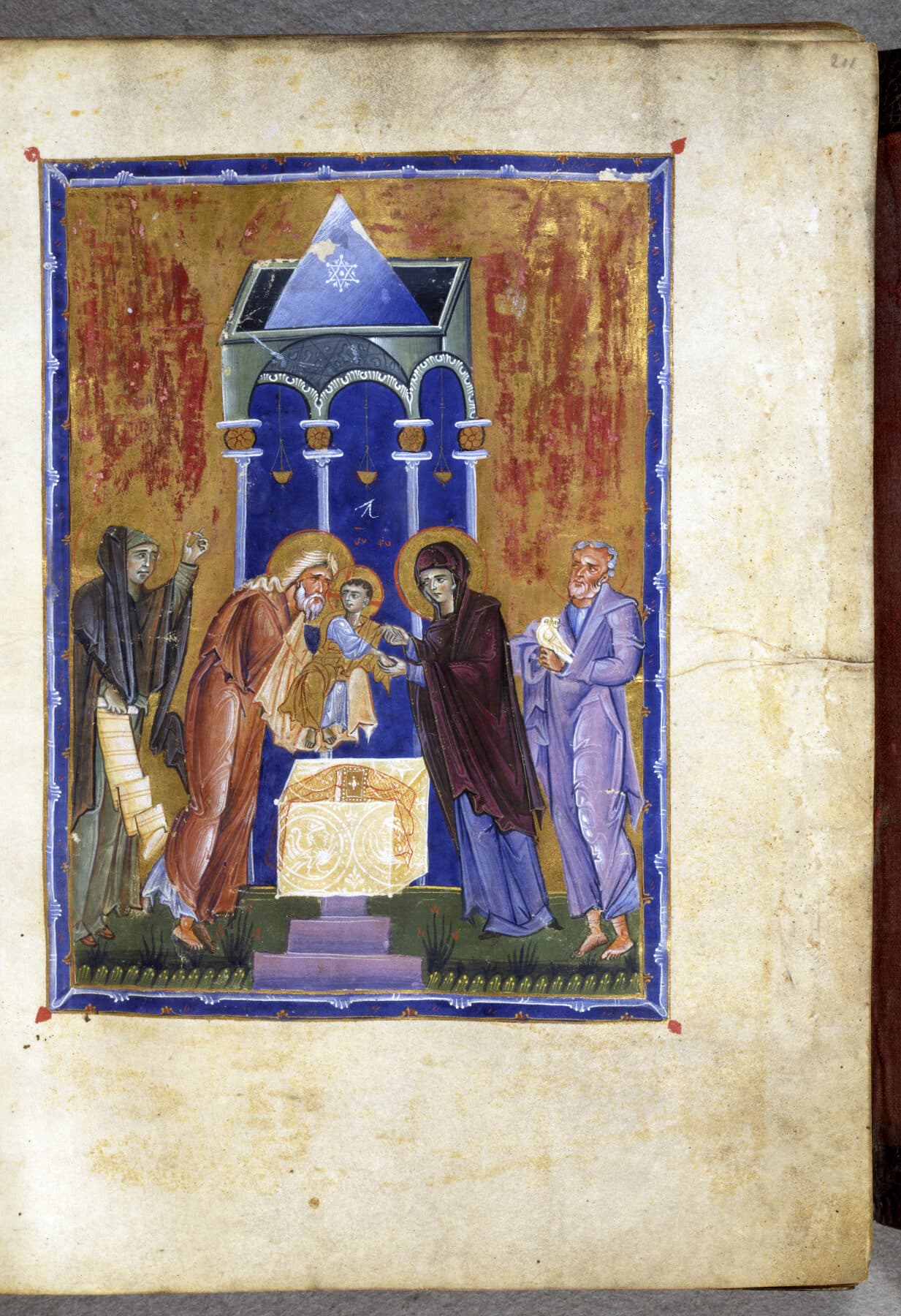
Trndez is the worked example. In the Church its name is Tearndarach — “to go out to meet the Lord” — the feast of the Presentation of the Lord to the Temple, kept on 14 February, forty days after the 6 January Nativity-Theophany, with a bonfire on the eve of 13 February. (In the Western calendar the same Presentation feast is Candlemas, on 2 February.) The fire is the part that predates the Christian dedication: the scholar James Russell roots it in Ahekan, the ninth month of the old Armenian calendar — the fire-month — a feast “still solemnized by the Armenians under the new name of Tearn and araj… on the evening of 13 February.” The full account is in the reading below.2“Originally, the feast was celebrated in Ahekan, the ninth month, corresponding to Atar… is still solemnized by the Armenians under the new name of Tearn and araj… on the evening of 13 February.” — James R. Russell, “Armenia and Iran iii. Armenian Religion,” Encyclopaedia Iranica.3“the priest lights a candle from the Holy Altar, and distributes the flame to all present.” / “…the blessing of newlywed couples, as well as offering prayers for the crops and fertility of the fields.” — Diocese of the Armenian Apostolic Holy Church in Georgia, “Tiarn'ndaraj.”
What was the ancient Armenian New Year, before the Christian calendar?
Navasard — also called Amanor, “the New Year” — was the great feast of the pre-Christian Armenian calendar: the turning of the year, kept as a public festival. Its New-Year deity was Vanatur, a name read as “the Hospitable,” whose temple stood at the sanctuary of Bagavan in the district of Bagrevand, where the pilgrimage converged — the ethnographic record relates that a King Tigran built a guest-house for the gathered pilgrims. The feast was also bound to the cult of Anahit, the most-venerated goddess of pre-Christian Armenia, whose votive adornment survives in a single museum object: a late-Hellenistic bronze head from Satala, now in the British Museum, its eyes once inlaid with precious stones or glass paste.4Amanor / Navasard as a major feast of the pagan period; its deity Vanatur (“the Hospitable”), cult site Bagavan in Bagrevand, where a King Tigran built a pilgrim guest-house. — S. Mkrtchyan, Festivals: Armenian Folk Rituals, Customs, Beliefs (NAS RA ethnography, 2010).5Late-Hellenistic (c. 200–100 BC) bronze head of Anahita, found at Satala (1872), British Museum no. 1873,0820.1 — the eyes inlaid with precious stones or glass paste, the lips perhaps coated with a copper veneer. — British Museum collection.
What does the record actually support — and what is folk etymology?
A note on scope belongs in any honest calendar. The popular accounts attached to these feasts run ahead of the graded record, and the readings below are careful to separate the two. Trndez is widely explained as “the birthday of the sun-god Mihr,” read as a solar feast in Christian dress: the Armenian month-names do preserve the memory of Mihr and the Mihragan festival, but no verified source dates the feast to a birthday of any god — Russell roots the fire feast in the Ahekan fire-month and ties Mihragan to a different day. Likewise, the popular fixing of Navasard to 1 Navasard / 11 August, tied to the heliacal rising of the Orion (“Hayk”) constellation, comes from archaeoastronomical work that is not among this pillar's graded sources, and is left aside rather than asserted. We publish the calendar layer by layer, and only what the record carries.6“the twenty-first day of Mehekan, Greater Mihragan in the Zoroastrian calendar, is devoted to St. George.” / “Mihr, whose name is a Mid. Ir. form of Av. Mithra, had a temple in the Armenian town of Bagayarich.” — James R. Russell, “Armenia and Iran iii,” Encyclopaedia Iranica.
When are the Armenian feast days in 2026–2030?
The fixed feasts keep their dates every year — the Nativity-Theophany on 6 January, Trndez on 14 February, Navasard on 11 August — while Vardavar moves with Easter: Sunday 12 July in 2026, Sunday 4 July in 2027.7“the 14 Sunday subsequent to the Easter, i.e. 98 days after the Easter” — Vardan Devrikyan, “Transfiguration and the Feast of Vardavar,” Fundamental Armenology 2(4), 2016 (NAS RA). Vardavar 2026 confirmed as 12.07.2026 on the Mother See of Holy Etchmiadzin feast calendar.8“It corresponded to August 11 in the Gregorian calendar that we use today.” — Armenian Prelacy (Eastern Prelacy), “Beginning of Navasart”; in 2009 Armenia's parliament designated 11 August the Day of National Identity. The modern observance date only — the ancient fixing is left aside above.
| Feast | 2026 | 2027 | 2028 | 2029 | 2030 |
|---|---|---|---|---|---|
| Nativity-Theophany (Armenian Christmas)fixed — 6 January | Tuesday, 6 January | Wednesday, 6 January | Thursday, 6 January | Saturday, 6 January | Sunday, 6 January |
| Trndez (Tearndarach) — the fire feastfixed — 14 February, with the bonfire on the eve of 13 February | Saturday, 14 February | Sunday, 14 February | Monday, 14 February | Wednesday, 14 February | Thursday, 14 February |
| Vardavar (Transfiguration) — the water feastmovable — the fourteenth Sunday after Easter, 98 days | Sunday, 12 July | Sunday, 4 July | Sunday, 23 July | Sunday, 8 July | Sunday, 28 July |
| Navasard — the traditional New Yearthe traditional modern date — 11 August; the ancient reckoning is a separate question (see the note above) | Tuesday, 11 August | Wednesday, 11 August | Friday, 11 August | Saturday, 11 August | Sunday, 11 August |
Vardavar has no fixed date: the Armenian Apostolic Church keeps it on the fourteenth Sunday after Easter — 98 days — so it falls on a different Sunday each summer, and the date must be reckoned anew every year.
Readings in this pillar
The fire feast
Trndez: The Armenian Feast of Fire and the Presentation
Why Armenians light a bonfire on the eve of 14 February — the pre-Christian fire feast that survives inside the Church's Presentation of the Lord, and the flames that couples still leap.
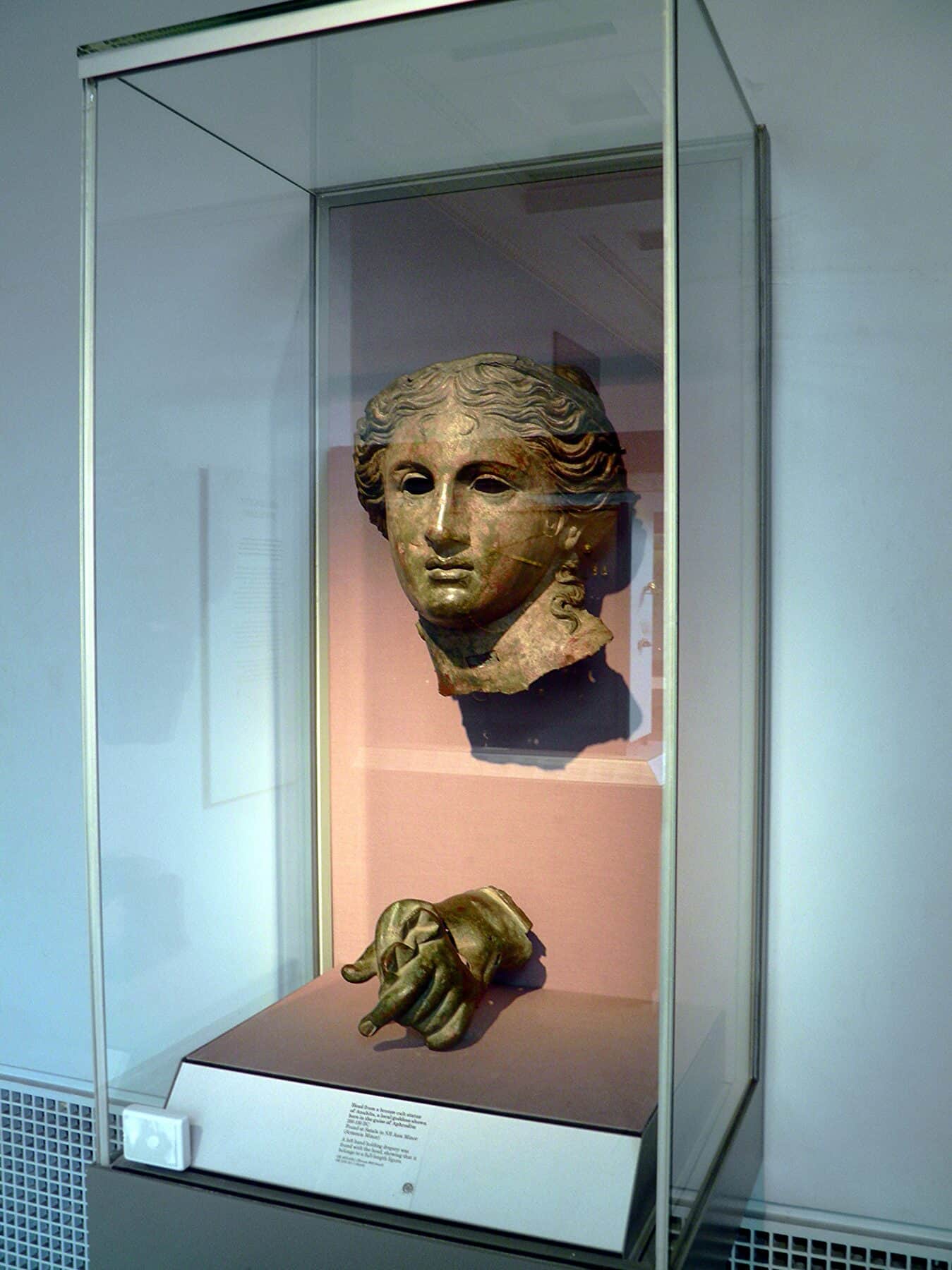
Bronze head of Anahita (in the guise of Aphrodite), Satala, c. 200–100 BC · photo Carole Raddato · CC BY-SA 2.0
The ancient new year
Navasard: The Ancient Armenian New Year
The pagan Armenian New Year feast — Amanor under the god Vanatur at the sanctuary of Bagavan — and the cult of the goddess Anahit, whose Hellenistic bronze head survives in the British Museum.
The water feast
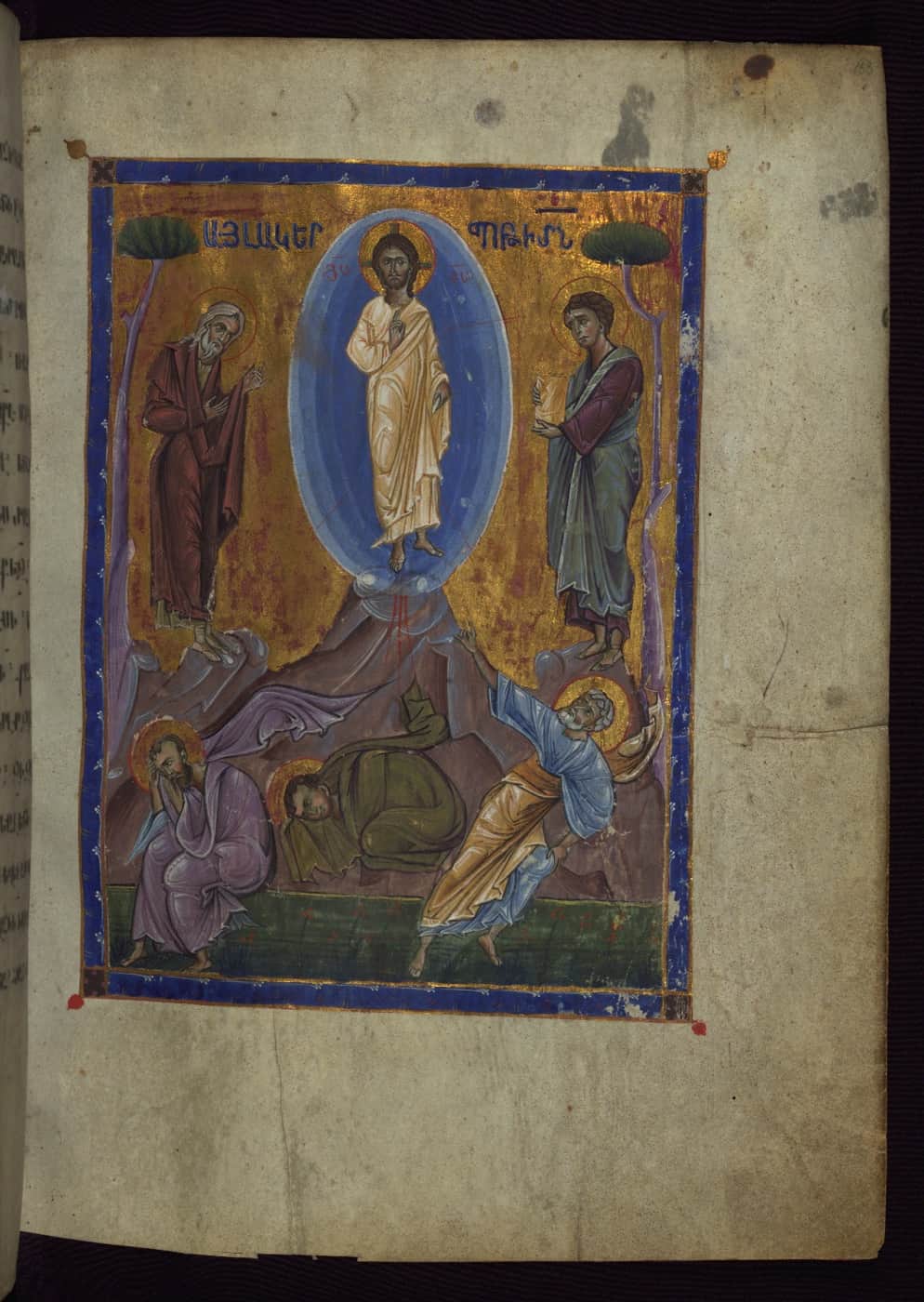
Vardavar
The Armenian festival of water and roses, and the Feast of the Transfiguration it became — why Armenians douse one another with water, and the goddess Astghik behind the roses.
This is an overview; the depth lives in the readings above. We publish the calendar layer by layer — traced always to the record, and never a price.