The Hand
Craft & Materials
Gold, the marks of the hand, and the techniques that set Armenian metalwork apart — explained rather than sold.
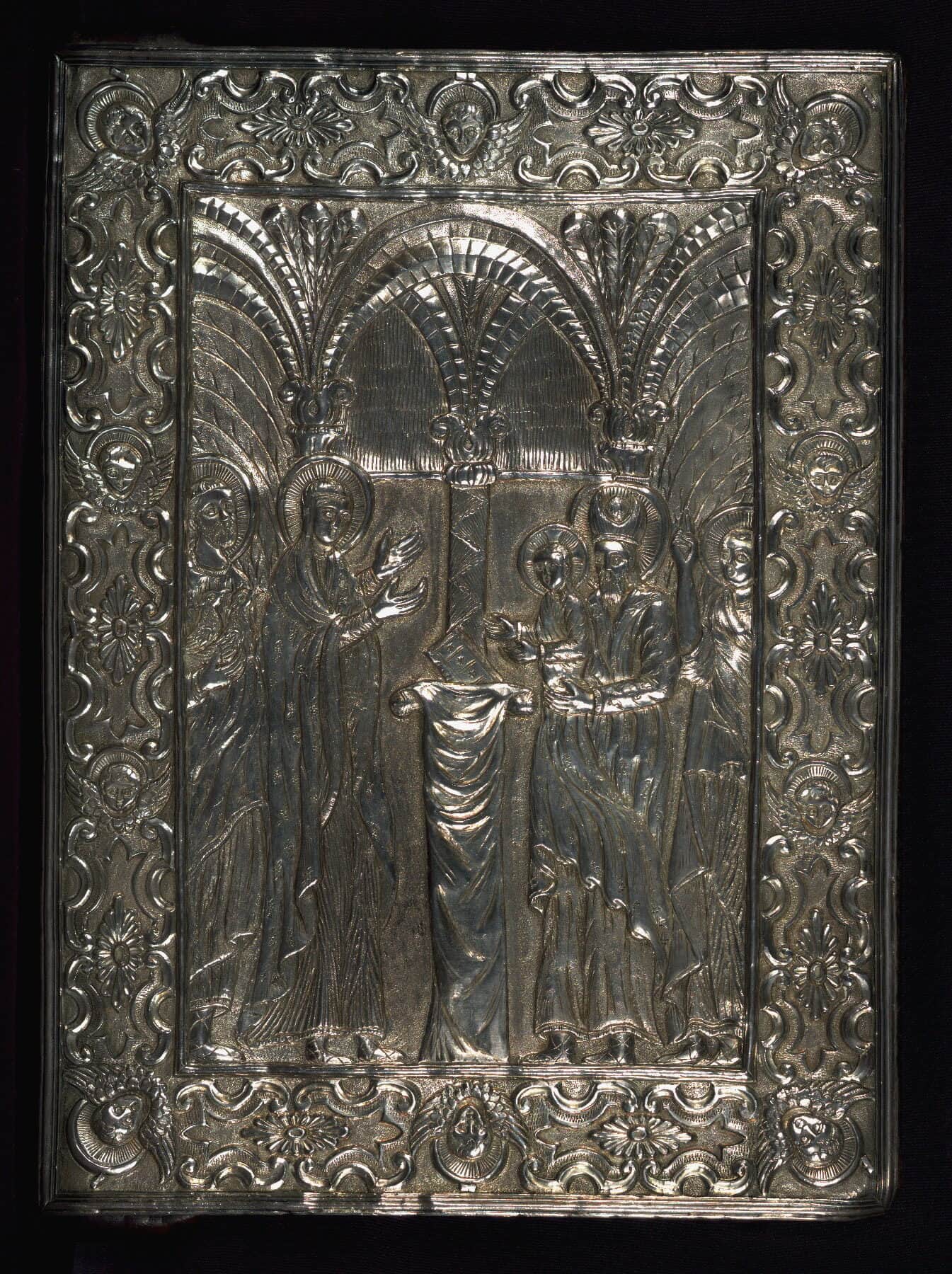
What distinguishes Armenian goldwork is not a single material but a vocabulary of surface — the decorative techniques that dress engraved silver and gilded metal, and the marks and guilds that stood behind the hand. This pillar gathers that vocabulary: niello, the black sulfide inlay the Armenian language calls sevad; vitreous cloisonné enamel set into sacred metalwork; and the layered maker's-punch-and-assay marks regulated by the hamkarutyun craft guilds. It is an account of how these things were made and governed, explained as craft history rather than sold. This page is the overview; the depth lives in the readings it gathers.
On this page
What decorative techniques define Armenian metalwork?
The signature of the tradition is niello — a black metallic alloy of sulfur with silver, copper, and lead, fused into lines engraved on a silver surface so the dark pattern reads sharply against the bright ground. In the eighteenth and nineteenth centuries the black-and-silver technique became a hallmark of Armenian silversmithing, worked into belts, buckles, purses, and communion boxes in centers such as Van — where it was especially popular — as well as Constantinople. The Armenian language calls it sevad.1“Niello, black metallic alloy of sulfur with silver, copper, or lead that is used to fill designs that have been engraved on the surface of a metal (usually silver) object.” — Encyclopædia Britannica, “Niello.”2“...large quantities of silver belts and buckles, earrings, purses in filigree work, and communion boxes were manufactured in such centers as Van, where the black and silver niello technique was popular, but also Constantinople and other cities.” — Armenian Studies Program, Fresno State, “Metalwork and Engraving” (Arts of Armenia).
Beside the blackened line sat colour: vitreous cloisonné enamel. Thin metal strips are bent to the outline of a design, soldered to a metal surface, and the resulting cells — cloisons, French for “partitions” — are filled with glass paste and fired. In Armenian sacred metalwork the craft survives on documented objects, among them a 1691 Kayseri Gospel cover of gilded silver set with coloured enamels, held by the Metropolitan Museum of Art. The verified Armenian term for the material is ardzn; mina, the familiar regional name, is a Persian loanword.3“Cloisonné … consists of soldering to a metal surface delicate metal strips bent to the outline of a design and filling the resulting cellular spaces, called cloisons (French: partitions), with vitreous enamel paste.” — Encyclopædia Britannica, “Cloisonné.”4“manuscript: 13th century; cover: dated 1691 … Cover: gilded silver repoussé, with colored enamels, jewels, and imitation gems. Accession Number: 16.99.” — The Metropolitan Museum of Art, “Armenian Gospel with Silver Cover.”
Niello is a black metallic alloy of sulfur with silver, copper, or lead, used to fill designs engraved on the surface of a silver object.
What do the marks on Armenian silver mean — and who stood behind them?
An Armenian silver object rarely carried a single mark. A maker's punch sat beside a state authority's stamp — the Ottoman tugra, the sultan's calligraphic cipher, and the sah assay that guaranteed the metal's purity in Constantinople; the Russian imperial 84-zolotnik standard in the Caucasus. Three hands could meet on one piece: the maker, the assayer, and the sovereign. The mark, in this world, was an instrument of accountability as much as of authorship.5Kurkman, Ottoman Silver Marks (Istanbul, 1996) — the maker's mark stamped on silver objects alongside the official state tugra and sah (assay) marks, which guaranteed the silver's purity.
Behind the marked object stood the guild. The hamkarutyun — also called the esnaf — was the formal Armenian craft guild, a structured union of workers in a single trade rather than a loose association. In Constantinople the regulation was dual: Armenian esnafs used Ottoman rules in addition to their own internal regulations, the state controlling the obtaining and distribution of raw material while the guild governed the craft from within. It is the institution that gives the marking system its weight.6Ghazaryan, Western Iconographic Influences…, MA thesis, CEU Budapest (2017), p.16 — “In Istanbul… Armenian esnafs used Ottoman rules in addition to their own regulations. With this the state controlled artisan's manufacturing activity such as obtaining of raw material, its distribution and other related conditions.”
How much of this craft history is firmly documented?
Carefully, and unevenly. The niello tradition, the layered marking system, and the dual regulation of the Constantinople guild are well documented — surviving in museum pieces, an 1872 Patriarchate tax list, and dated inscriptions. The enamel record is thinner: the responsible account rests on a handful of securely dated objects rather than a continuous “Armenian minakari school,” and the standard etymology of sevad — a borrowing from Arabic sawad, “blackness,” by way of Ottoman Turkish savat — is the received account, not a closed philological question. Niello itself is older and wider than its Armenian flowering, attested in Byzantine work long before its eighteenth-century Caucasian peak.7“This art has a long history and deploys a combination of silver, copper, lead, and sulfur to decorate silver and gold works. This art is popular among the Armenians of Tabriz and Van in Turkey.” — Zekavat, Ghazizadeh & Shokrpour, “A Comparative Study of Niello Art of Armenians of Tabriz and Turkey,” Journal of Iranian Handicrafts Studies 7(2), 2025.
A note on scope. This is a pillar about technique, craft, and social history — how decorative metalwork was made, named, and governed. The surviving belts, covers, and arks are heritage objects held in museum collections; they are examined here as craft and culture, never valued, priced, or pointed toward a market. Each technique deserves its own explainer: niello, cloisonné enamel, the marks-and-guilds story, and the raising and chasing of the metal surface are each told in their own readings below.
Readings in this pillar
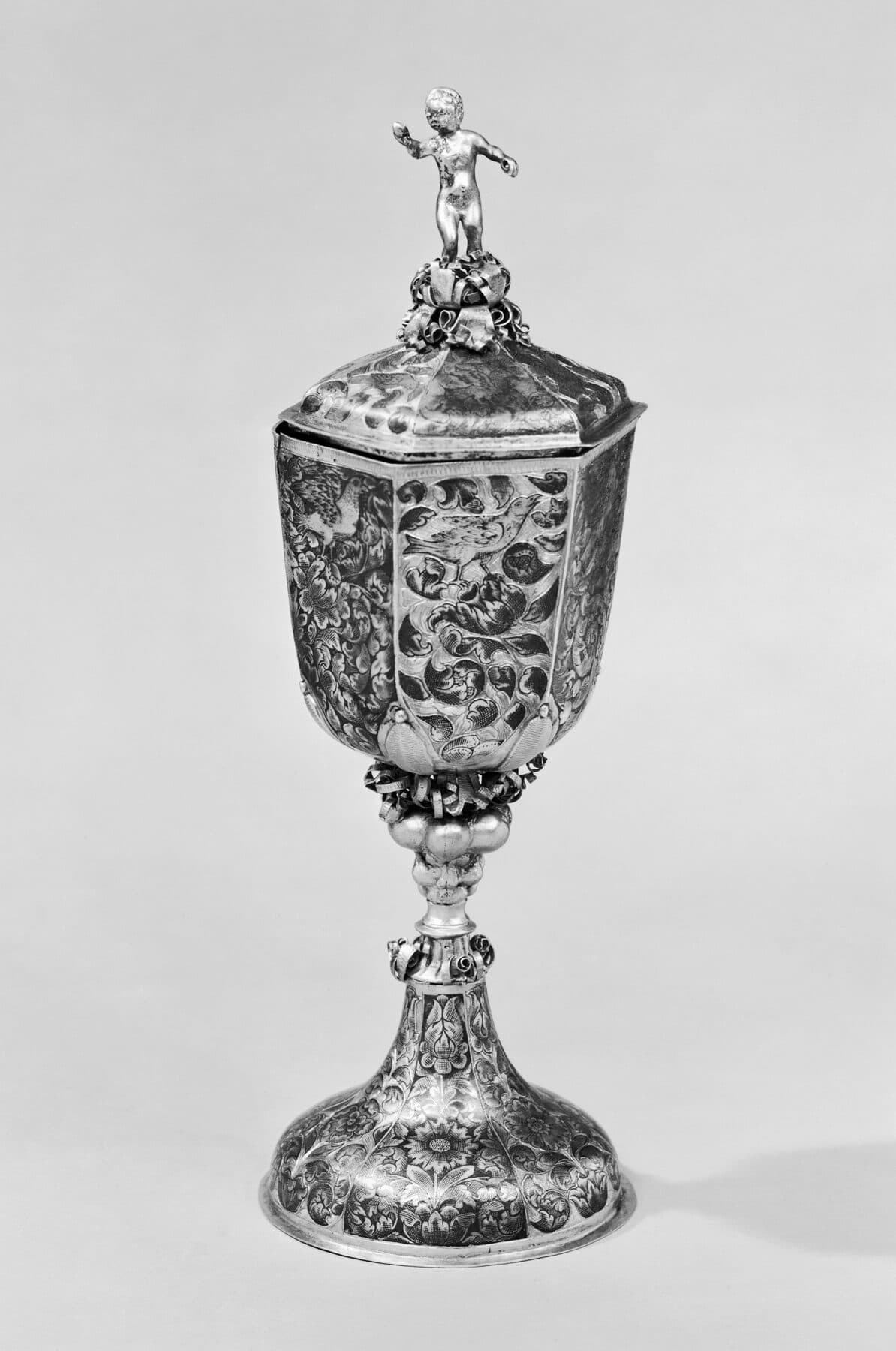
Blackened silver
Niello and the Armenian Tradition of Blackened Silver
How Armenian silversmiths in Van, Constantinople, and Tabriz turned engraved silver and a black sulfide alloy into belts, buckles, and liturgical metalwork — and where the technique comes from.
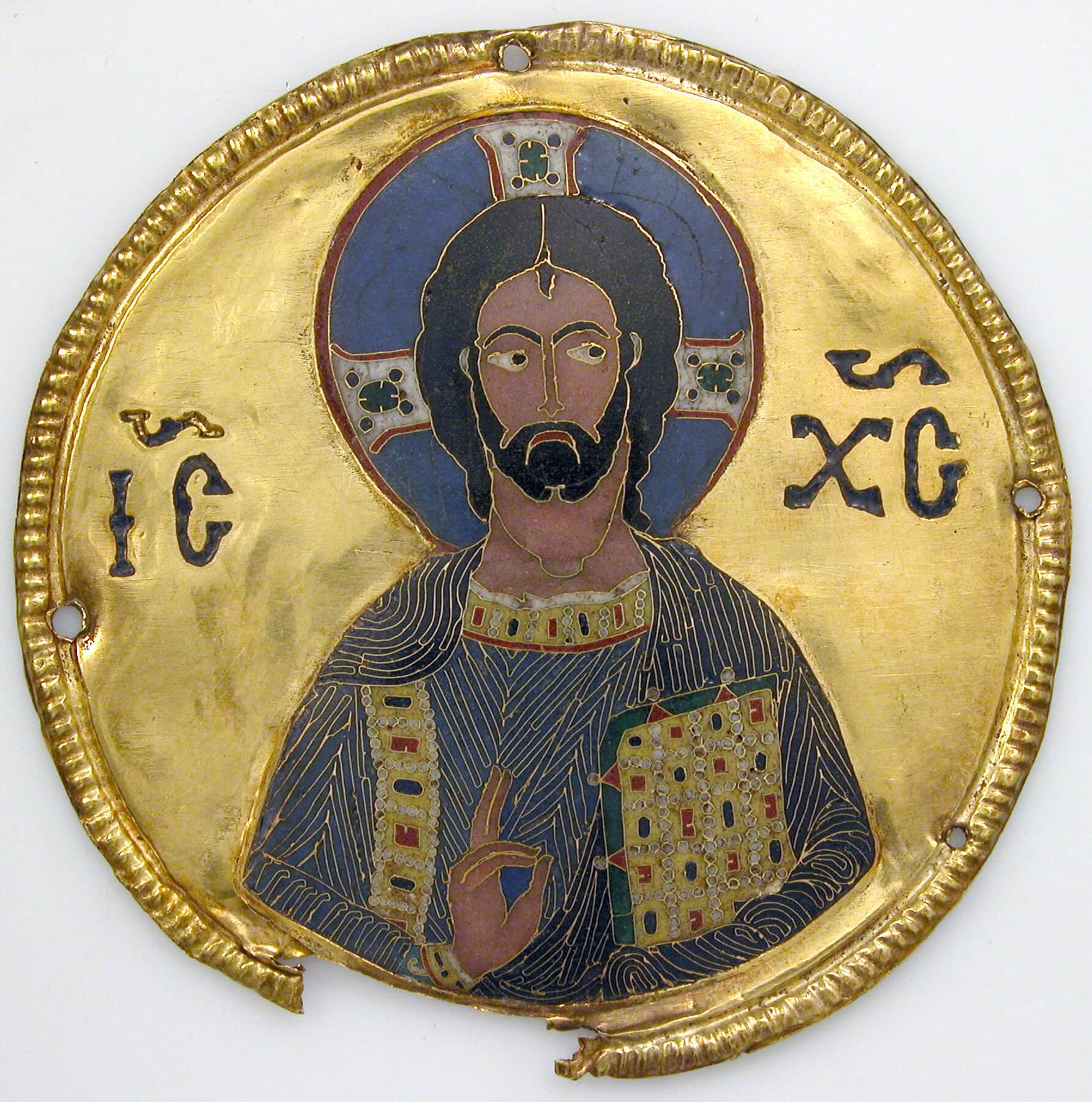
Vitreous enamel
Cloisonné Enamel and the Armenian Art of Mina
What cloisonné enamel is, and how Armenian masters set vitreous enamel into the sacred metalwork of Cilicia and after — from the 1293 Skevra reliquary to a 1691 Gospel cover, with a note on the words ardzn and mina.
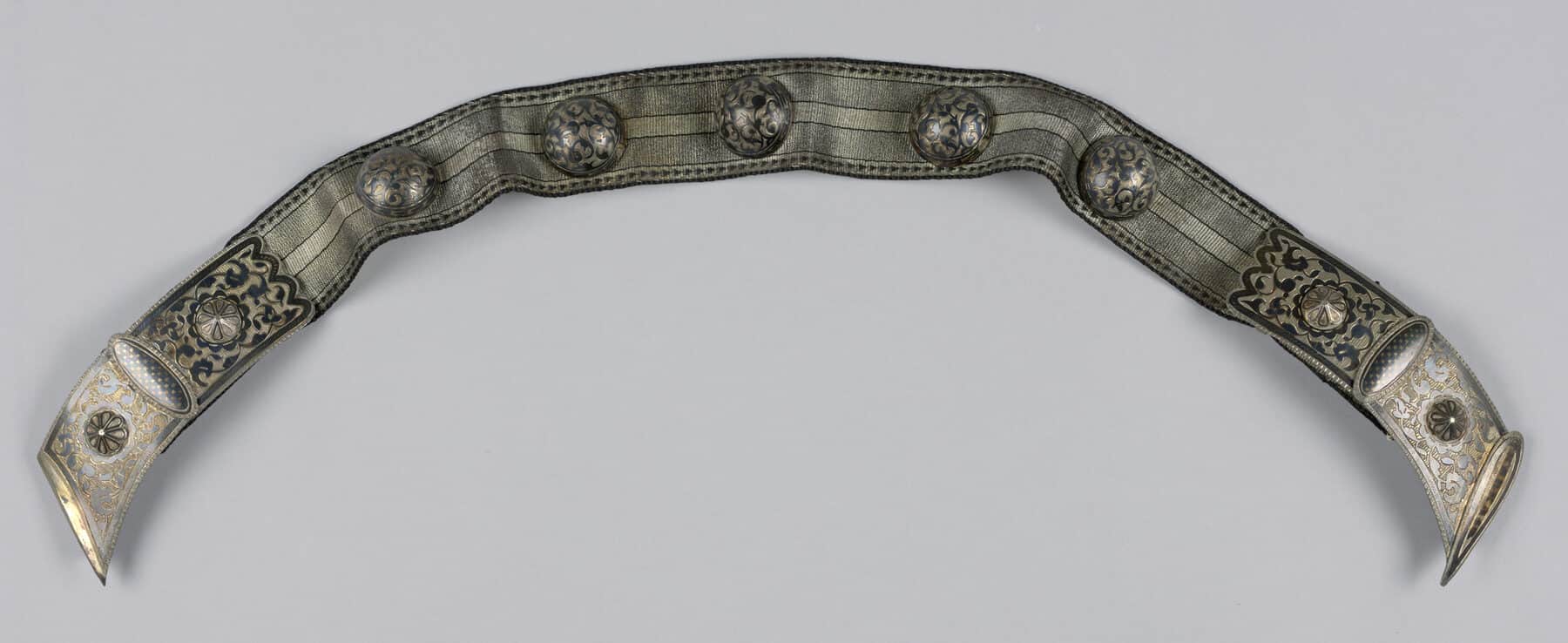
The maker's mark
Marks of the Hand: Armenian Silver Inscriptions and Guilds
How Armenian silversmiths signed, stamped, and regulated their work — maker's punches beside Ottoman tugra and Russian assay marks, and the hamkarutyun guilds that stood behind the hand.
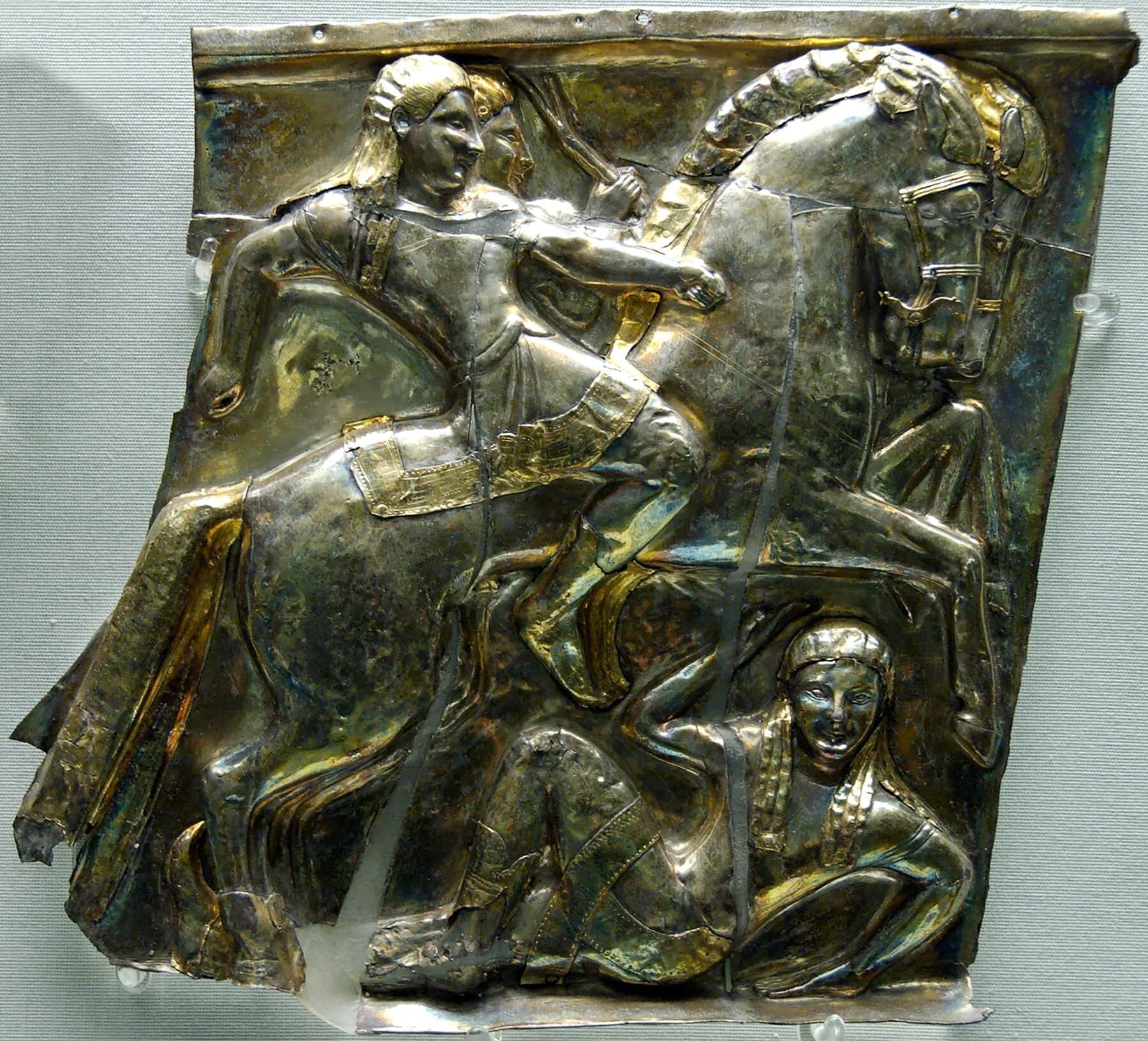
The worked surface
Repoussé and Chasing
Repoussé raises a design from the back of the metal and chasing sharpens it from the front — the paired techniques behind Armenian gilded-silver Gospel covers.
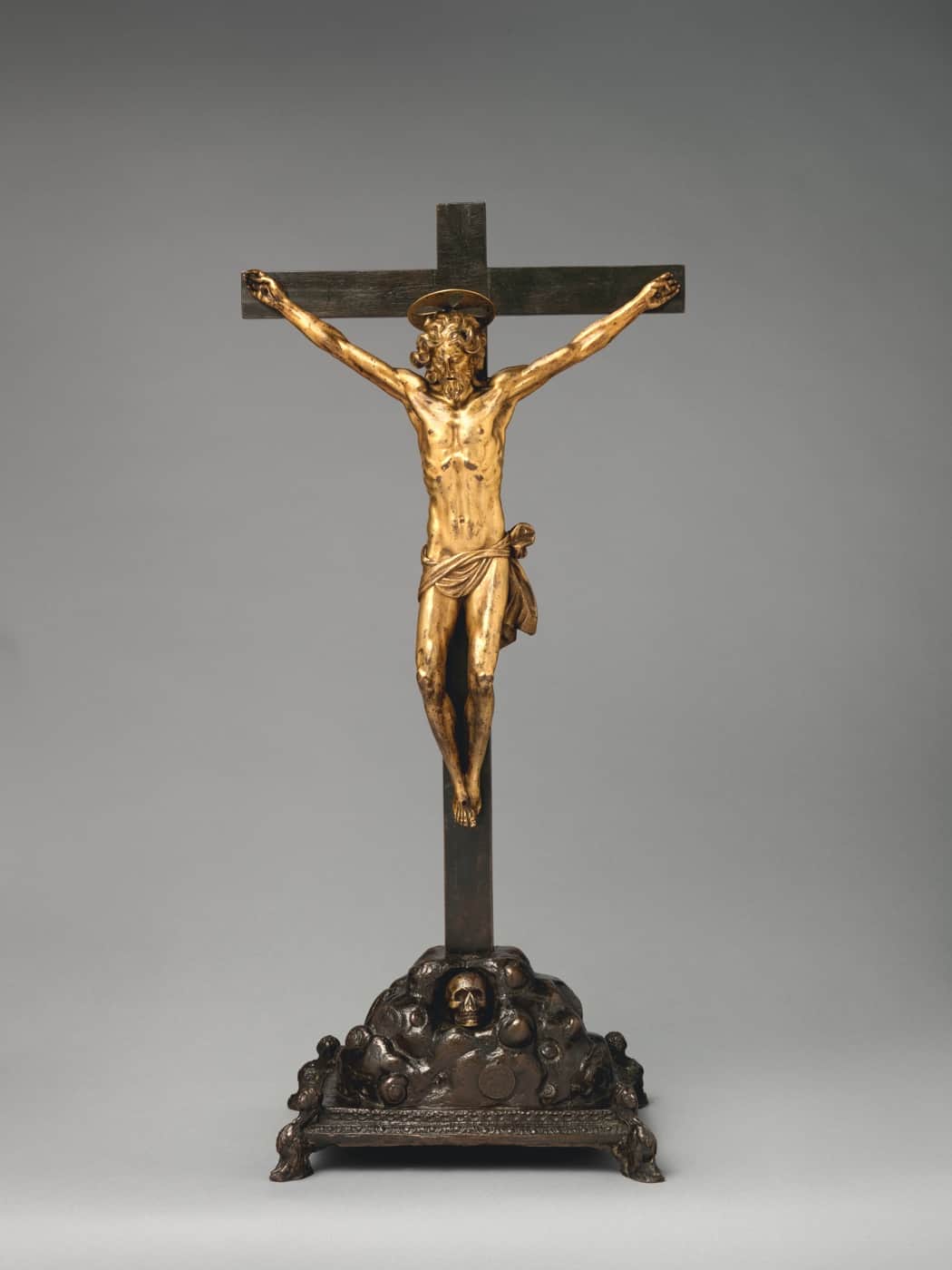
The gilded surface
Fire-Gilding (Mercury Gilding)
The pre-modern way gold was bonded to silver and copper — a gold–mercury amalgam, heated until the mercury burns off — behind the gilt surface of silver-gilt church metalwork.
This is an overview; the depth lives in the readings above, and in the ones we are still writing. We publish the craft first — traced always to the record, and never a price.