Meaning
Symbols & Meaning in Armenian Ornament
The recurring motifs of Armenian craft — the cross-stone and eternity wheel, the Tree of Life, the pomegranate, the crimson vordan karmir, and the letter as ornament — and what they mean.
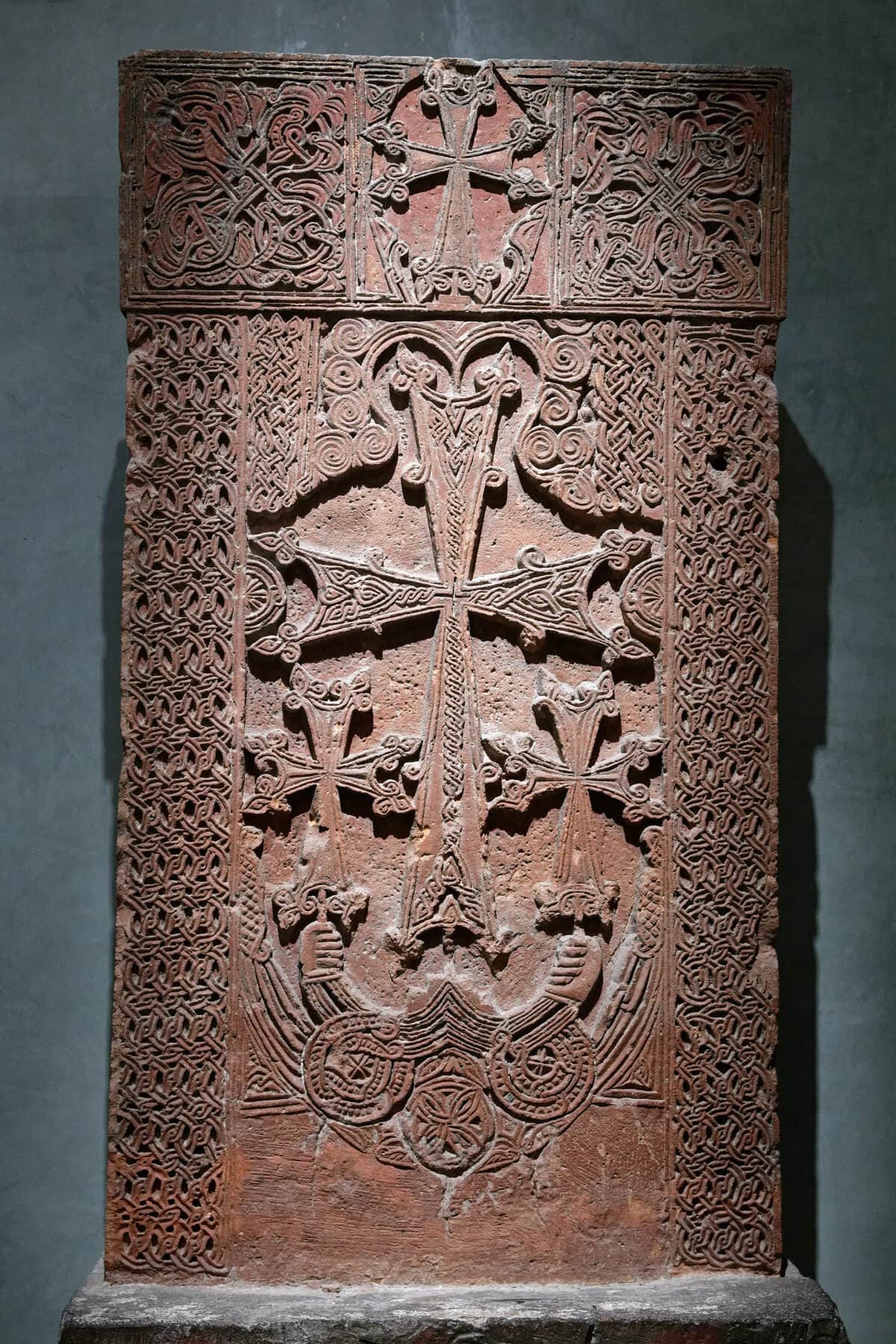
Armenian ornament is a language of symbols. Across stone, metal, manuscript, and woven wool, a handful of motifs recur and carry meaning — the cross-stone (khachkar) and the wheel of eternity (arevakhach), the Tree of Life, the pomegranate, the crimson dye vordan karmir, and the letters of Mesrop Mashtots's alphabet turned into ornament. This page is the overview; the depth lives in the readings it gathers.
What are the core symbols of Armenian ornament?
The Armenian visual tradition returns again and again to a small set of motifs. The most recognised is the khachkar, the carved cross-stone — a tradition UNESCO inscribed on its Representative List of the Intangible Cultural Heritage of Humanity in 2010 — on which the cross commonly rises from the arevakhach, the rayed wheel of eternity. Alongside them run the Tree of Life, the pomegranate, the insect-born crimson vordan karmir, and, in the manuscripts, the letters of the alphabet themselves, drawn as ornament.1“Armenian cross-stones art. Symbolism and craftsmanship of Khachkars,” inscribed 2010 on the Representative List of the Intangible Cultural Heritage of Humanity. — UNESCO (RL/00434).
Where do the symbols come from?
Their roots run deep and uneven. The oldest documented is the sacred tree of Urartu, the Iron Age Kingdom of Van — the ancestor, by a long scholarly reading, of the Christian Tree of Life. The cross-stone and the eternity wheel belong to the Christian centuries; the pomegranate and vordan karmir are at once ancient and folk; and the ornamental letter follows the creation of the Armenian alphabet by Mesrop Mashtots around 405, recorded by his pupil Koriun.2The Urartian sacred tree (1st millennium BC) — on bronze and seals from Karmir Blur and Çavuştepe; a reconstructed sacred-tree ritual at Ayanis. — Piotrovsky, Urartu; Seidl, Bronzekunst Urartus; “The Urartian Sacred Tree Ritual,” Journal of Near Eastern Studies.3The Armenian alphabet was created c. 405 by Mesrop Mashtots with Catholicos Sahak. — Koriun, The Life of Mashtots (c. 440s), the earliest original Armenian work.
A note on scope belongs here. The lines between these layers — pre-Christian to Christian, ancient to folk — are often drawn more confidently online than the record allows. Where a continuity (the Urartian tree to the Christian Tree of Life, say) is a scholarly reading from shared imagery rather than a proven, unbroken descent, the readings gathered here say so.
What do they mean — and what's myth?
Read together, the symbols speak of eternity, of life and its renewal, and of abundance. But several popular “meanings” are modern inventions. The pomegranate's “exactly 365 seeds” is folk belief, not botany; the Tree of Life has no fixed, coded number of branches; and the eternity sign's “unbroken pagan sun-symbol” story is a modern reading, not a documented lineage. Each reading here separates what is sourced from what is merely claimed.4Debunked as popular/commercial claims without a scholarly source: the pomegranate's “365 seeds” (folk belief, not botany); a fixed Tree-of-Life branch numerology; the eternity sign as an “unbroken pagan sun symbol.” — this-session source verification across the cluster ledgers.
How do the symbols appear across media?
No symbol belongs to one material. The eternity wheel is carved in stone and struck on coins; the Tree of Life appears on Urartian bronze, in illuminated manuscripts, and woven up the field of an Armenian carpet; vordan karmir is a colour before it is an image; and the letter is at once script and ornament. To follow a single motif is to read across the whole of Armenian craft.5The Tree of Life across media — Urartian bronze (Karmir Blur), manuscripts, and Armenian (esp. Artsakh) carpets. — Shushi Carpet Museum; Armenian Museum of America; History Museum of Armenia.
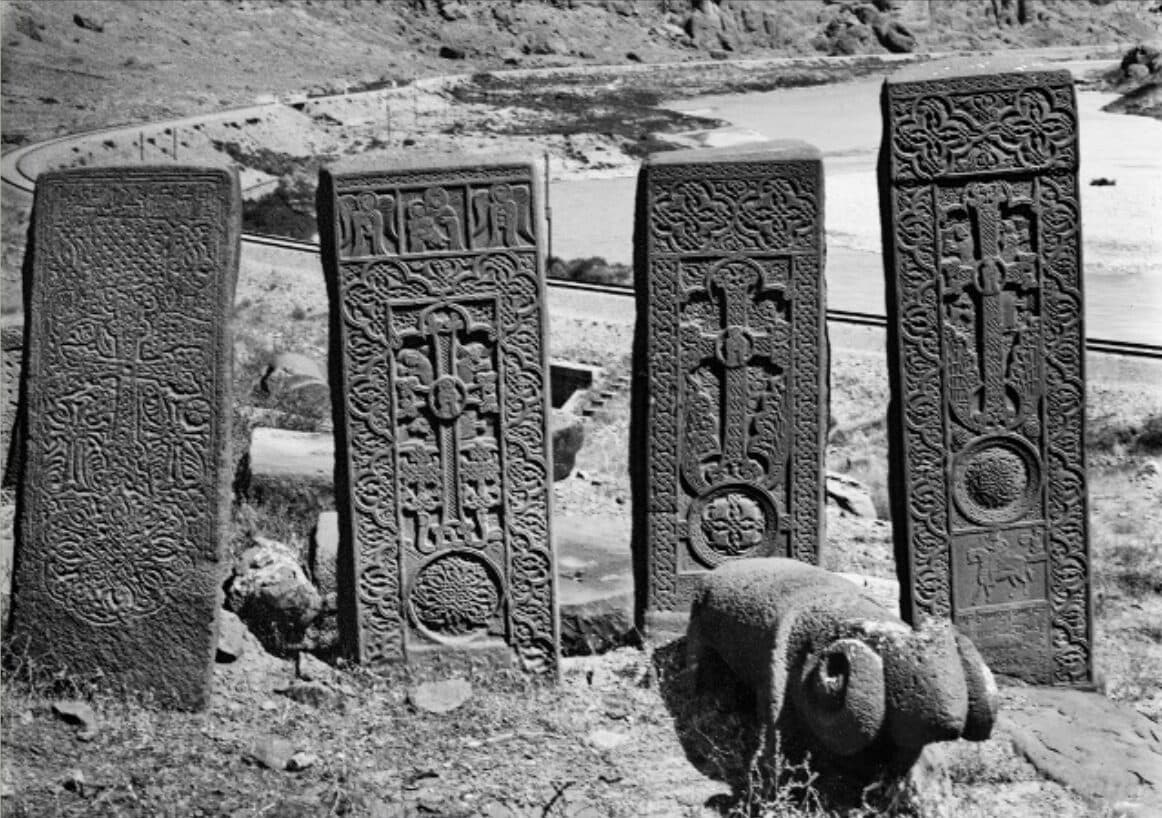
Among more than 50,000 khachkars in Armenia, the UNESCO listing says, no two are alike.
Readings in this pillar
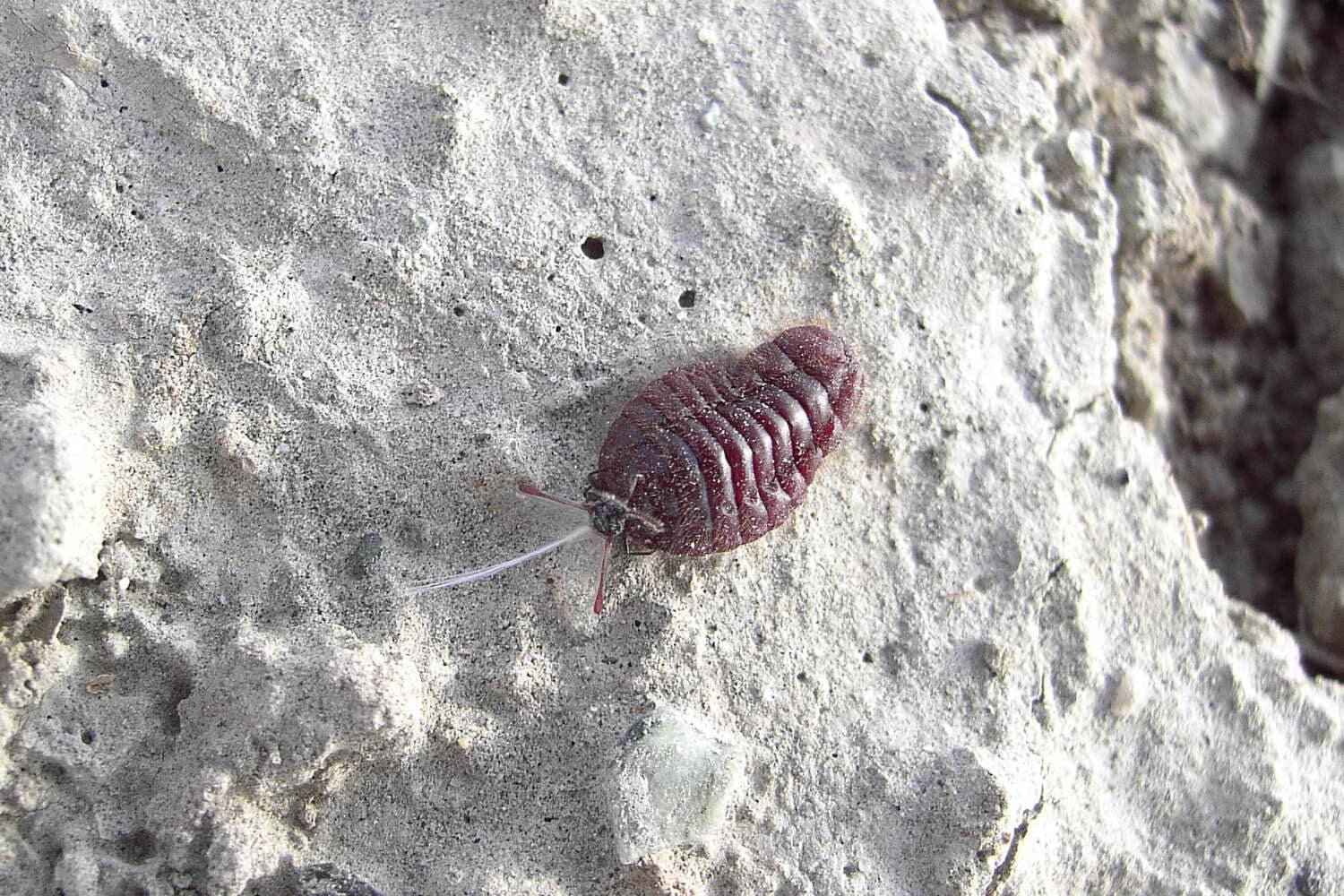
Porphyrophora hamelii, the Armenian (Ararat) cochineal · Vahe Martirosyan (vahemart) · CC BY-SA 3.0
Symbols & colour
Vordan Karmir: Armenia's Insect-Born Crimson
The Ararat-plain cochineal that named a colour and dyed kings' velvet — and the line between proof and legend.
Symbols & stone
Khachkars: The Geometry of Armenia's Cross-Stones
The UNESCO-inscribed carving tradition — and the modular geometry behind why no two are alike.
Symbols & meaning
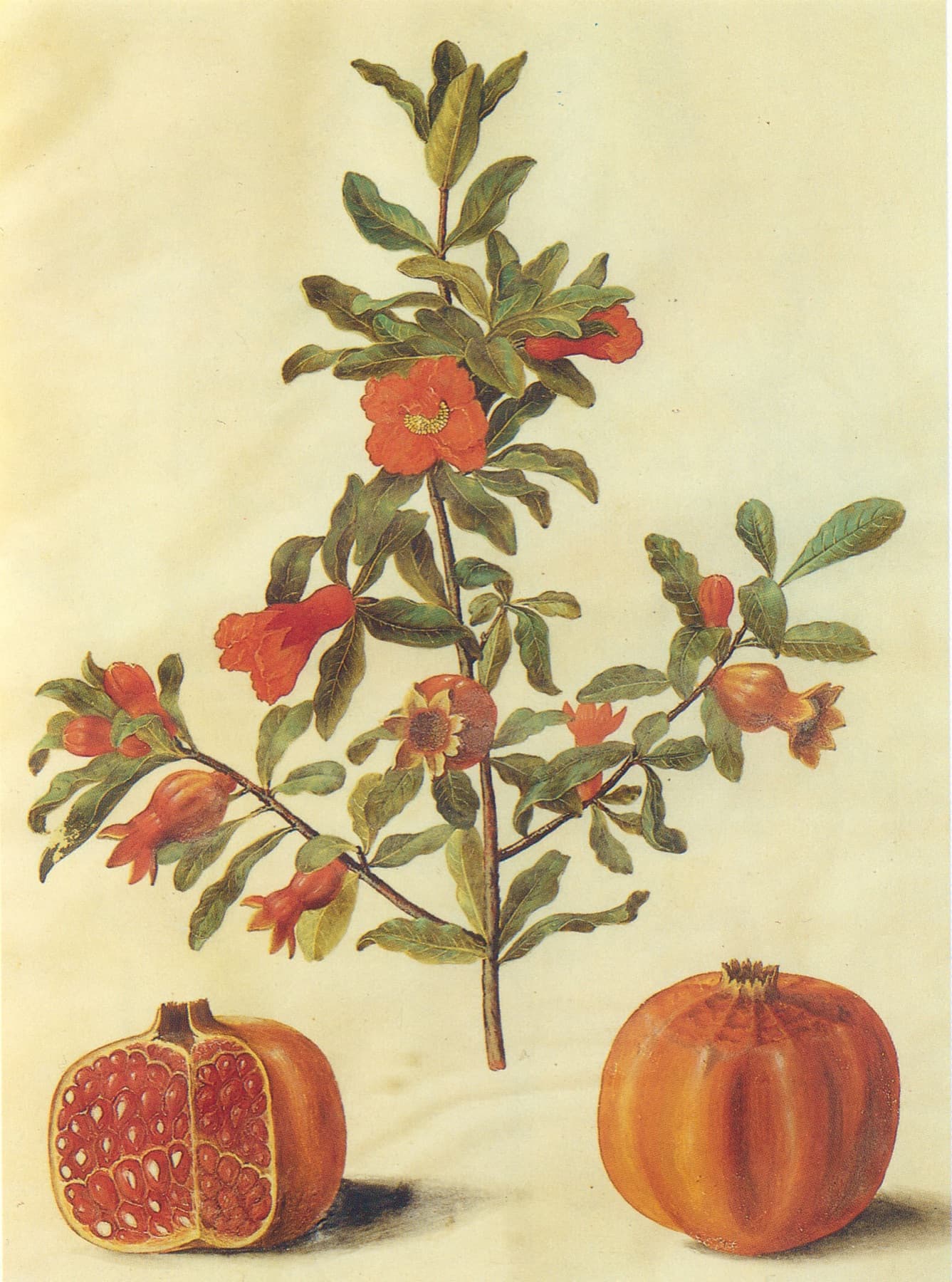
The Pomegranate: Abundance, Art, and the Truth Behind “365 Seeds”
What the pomegranate actually means in Armenian tradition and art — fact and folklore.
Symbols & nature
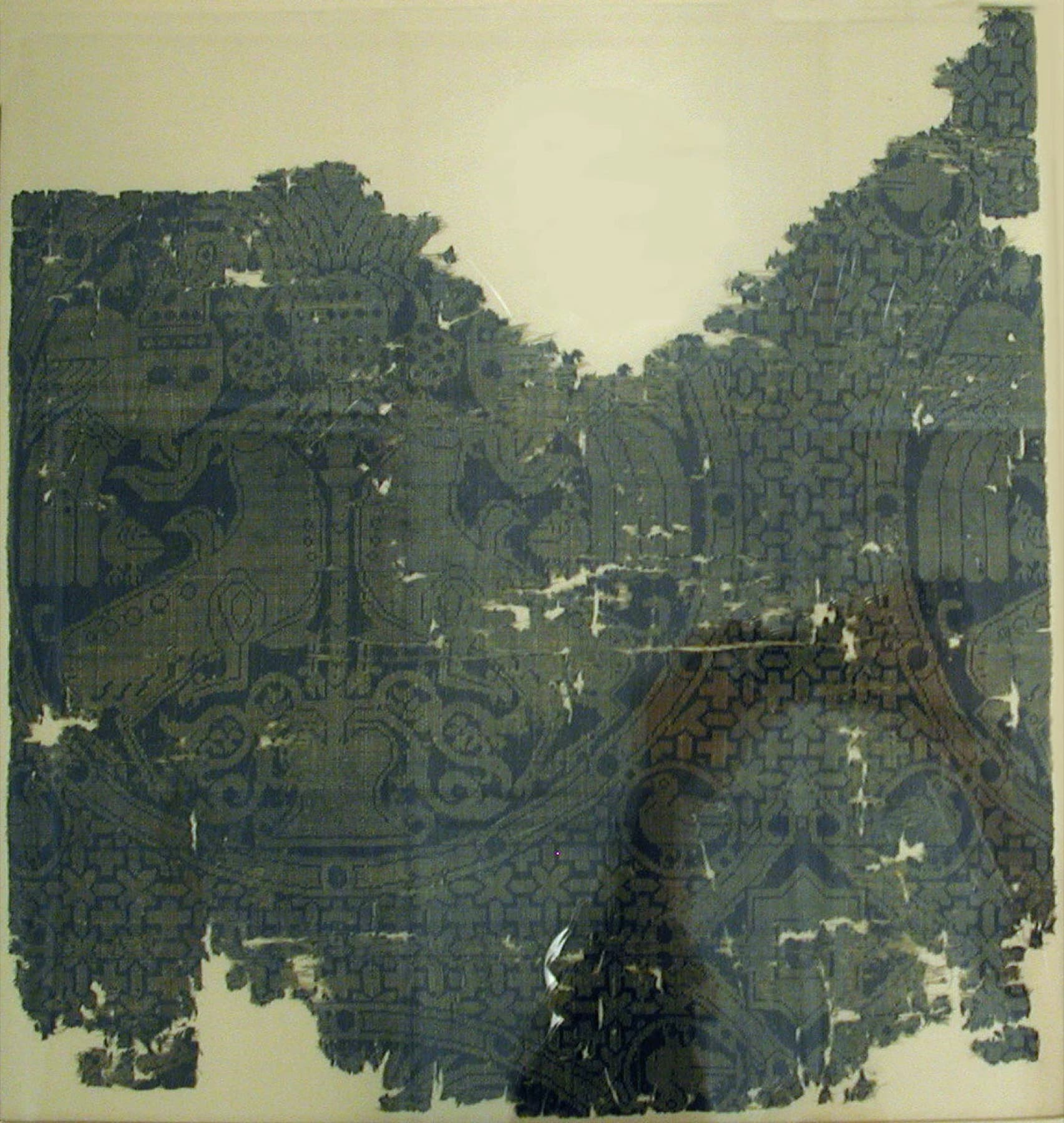
The Tree of Life in Armenian Art
From the Urartian sacred tree to the blossoming cross — one motif across metal, manuscript, stone, and wool.
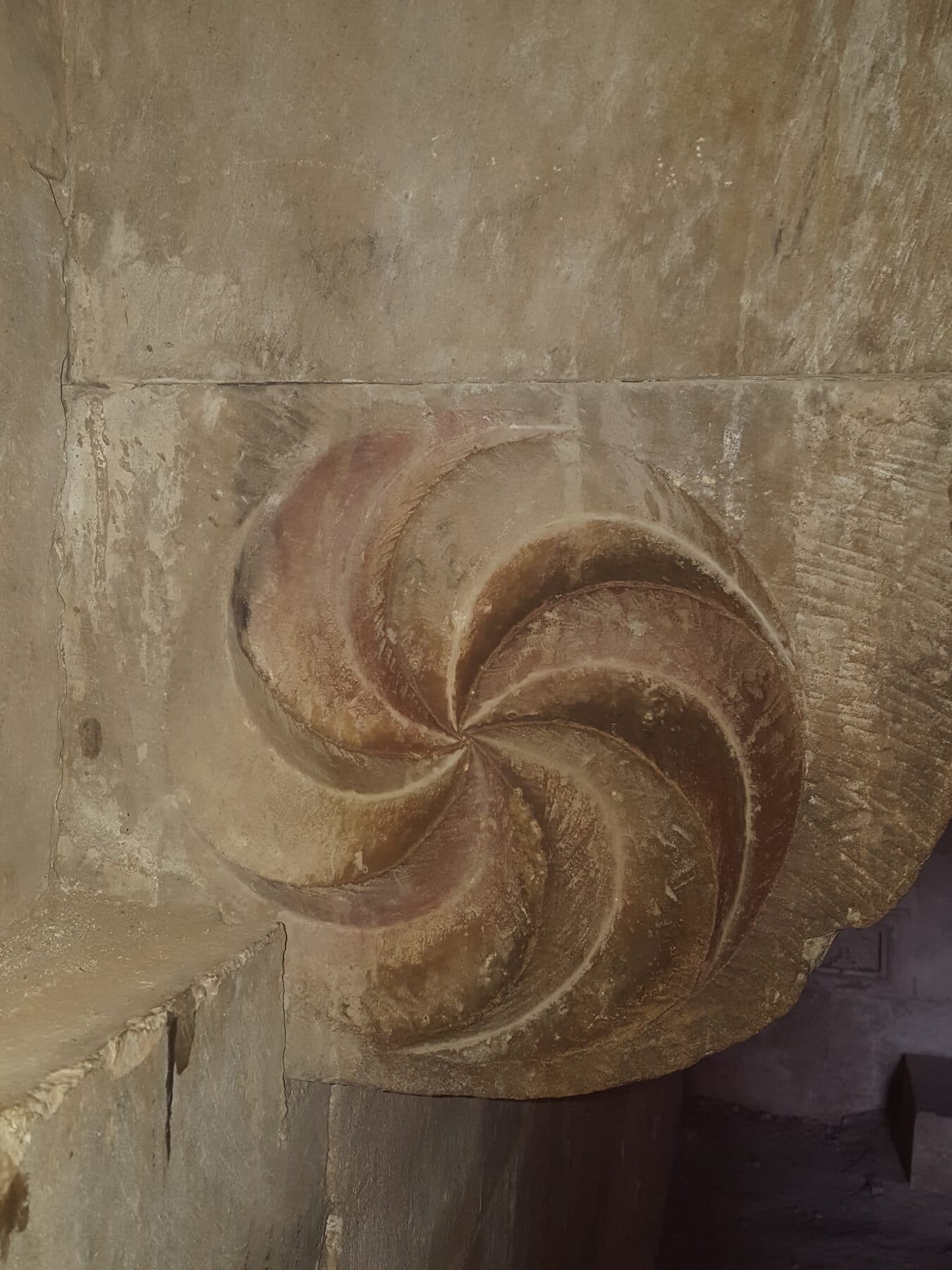
Armenian eternity sign at Noravank monastery · Yerevantsi · CC BY-SA 4.0
Symbols & eternity
The Armenian Eternity Sign (Arevakhach)
The whirling disc that means eternity — its medieval meaning, the “sun-cross” myth, and its modern life on coins and in Unicode.
Symbols & script
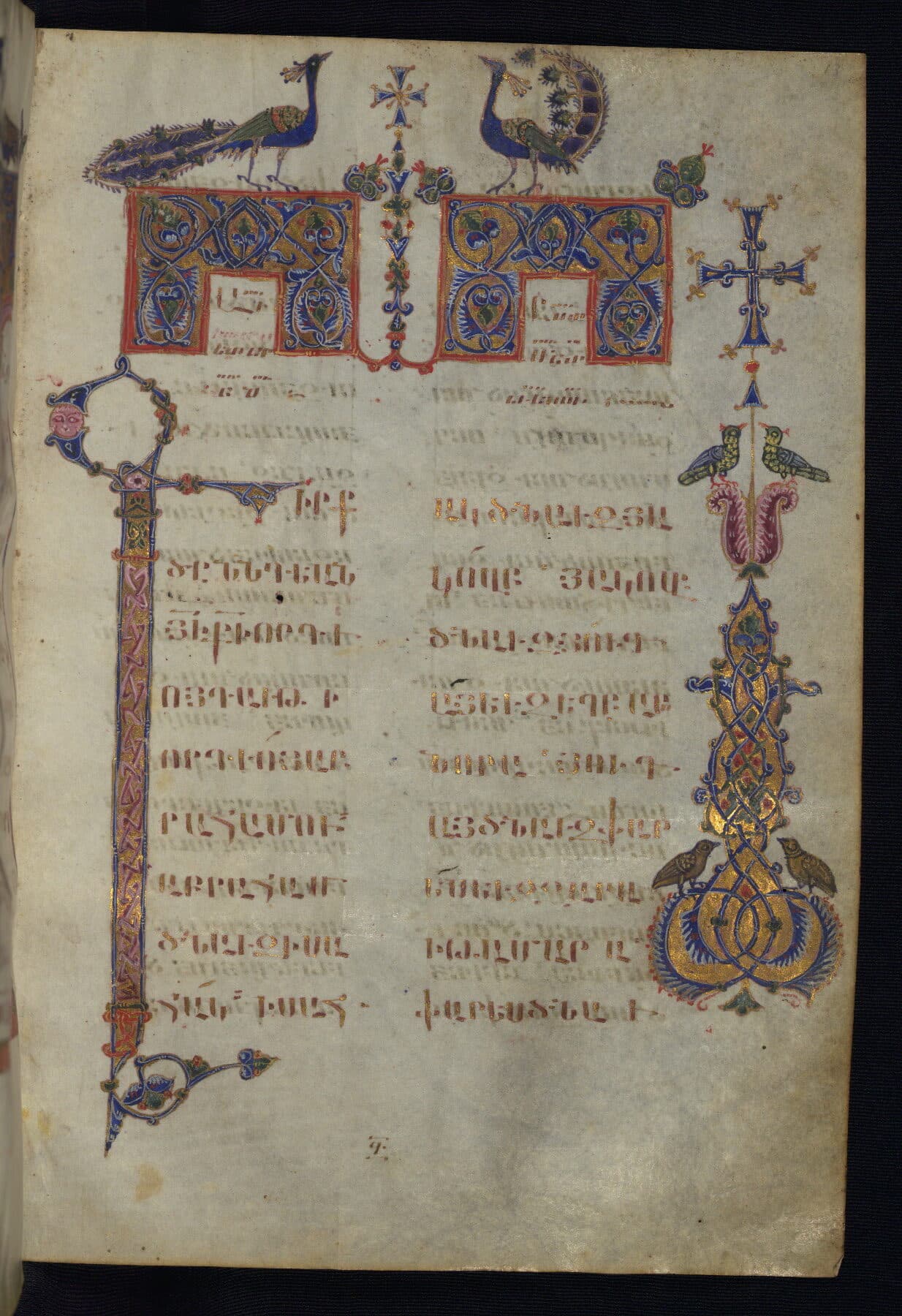
Armenian Letters as Ornament
How the alphabet of 405 became a decorative art — from iron-letters to the bird-letters (trchnagir).
This is an overview; the depth lives in the readings above. We publish the meaning first — traced always to the record, and never a price.