The Rite
Wedding & Ceremony
The kavor, the crowning, and the customs of the Armenian wedding — the place of adornment in the rite, told as cultural history.
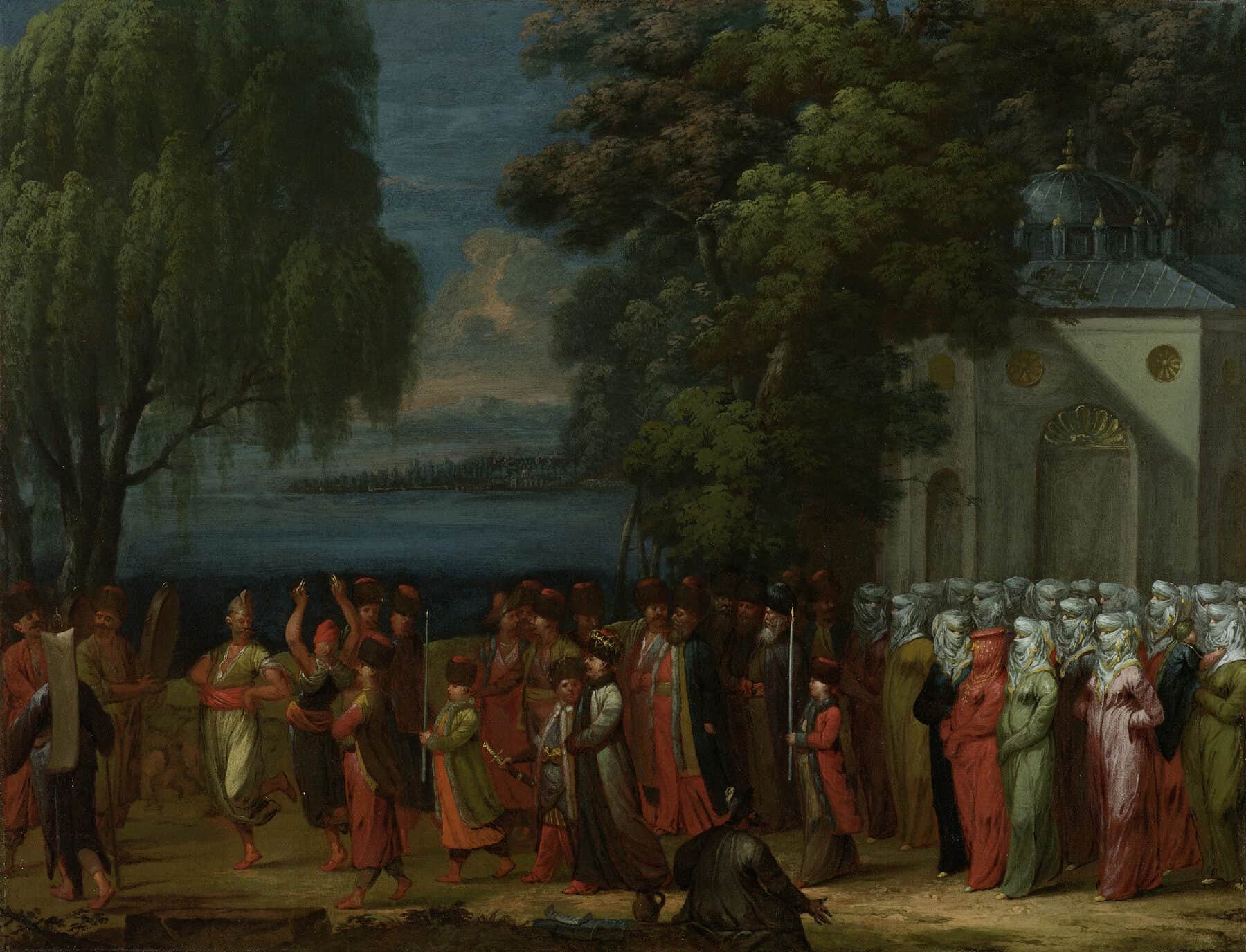
The Armenian wedding is, before it is a celebration, a structure of kinship and rite. This pillar gathers its cultural history — the khoskap, the “tying of the word” by which two families bound themselves to become in-laws long before the couple were consulted; the kavor, the sacred sponsor who stands at the heart of the marriage and whose bond reaches across the whole lineage; the psak, the church crowning in which a couple is married not by a signature but by a crown; the narot, the braided red-and-green cord tied on their heads; and the customs of adornment that surround the bride and groom. We read these as ritual and kinship, never as wares: this page is the overview, and the depth lives in the readings it gathers.
On this page
Who is the kavor in an Armenian wedding?
The kavor is the sponsor of the marriage — but in traditional Armenian society that is a far larger thing than a wedding witness. Ethnography records the kavor as a figure of sanctity not only for the married couple but for the whole lineage: a lifelong spiritual guide and the mediator who settled disputes within the family, without whom no significant family event was performed. The honour the role carries is one of kinship and standing, signalled in the ceremony by a single quiet marker — a white boutonnière that sets the kavor, the groom, and the best man apart from the other male guests. It is a symbolic distinction, never a material one.1“No significant family event or ceremony was performed without his participation… The kavor was a sanctity not only for the immediate family but for the whole lineage.” — R. A. Nahapetyan, The Kavor among the Armenians, NAS RA (arar.sci.am).2“The only difference between the suits of the kavor, the groom, and the best man and those of the other male guests is white boutonnières.” — A. A. Shevtsova, Family Traditions of Armenians in the Republic of Mordovia, Izvestiya RGPU im. Gertsena (2011).
The bond does not end when the wedding does. In the documented custom the kavor who sponsored the marriage becomes, in time, the godfather — the knkavor — of the couple's child, carrying the tie into the next generation in a continuing relationship of spiritual kinship the tradition calls kavorutyun. This generational cycle is recorded in Armenian diaspora ethnography on a single graded source; we present it as an attested custom, not a fixed pan-Armenian rule. What is firmly attested is the broader principle it expresses — that the kavor's bond was lifelong, not confined to the wedding day.3“The child's godfather becomes the seated father from his parents' wedding — the kavor, who now also becomes the knkavor (godfather).” — L. A. Agadzhanyan, The First Year of a Child's Life in an Armenian Family (Samara), Samara Scientific Herald (2016).
Why is an Armenian wedding a “crowning”?
Because in the Armenian Apostolic tradition the act that constitutes a marriage is a crowning, not a signing. The word for it is psak — “crown” or “wreath” — and the same word names the church sacrament itself. The grounding is visible in the knowledge graph: the entity for Christian marriage carries an Armenian name that is, simply, Psak. So when Armenians speak of being “crowned,” they mean married: the rite and the crown share one word. Within the rite the groom is even addressed as a king — tagavor — a royal titling that ethnographers read against an older royal and mythological archetype, the couple raised for the day to a royal station.4Wikidata structured data: Q1043387 (Christian marriage) has the Armenian sitelink “Psak” (the crowning); Q49836 is the broader wedding ceremony. — Wikidata.5Gayane Shagoyan (Institute of Archaeology & Ethnography, NAS RA), “The theme of ‘Creation’ in the ritual text of the groom of the Armenian traditional wedding” — the groom is ritually titled king (tagavor), tying the rite to a royal / mythological archetype.
What is the narot, the red-and-green cord?
The most material object of the crowning is the narot — a braided cord woven mainly from green, red, and white thread, which the crowning priest (the psakadir) passes around the necks or heads of the bride and the groom and fastens with wax. It is not jewellery and not a sold object but a worn ritual cord, made and tied for the occasion. In the ethnographic reading it stands for the bond of union — and the idiom is built into the language: kanach-karmir kapel, “to tie green-red,” simply means “to marry.” What the colours mean for each spouse the scholarship records more than one way; the firm, shared claim beneath the debate is that the narot is woven of red, green, and white and signifies the marital bond.6Astghik Israelyan, “The magical power of colour in Armenian folk beliefs,” Patma-Banasirakan Handes (Historical-Philological Journal) 2017(2):125–142, NAS RA — the psakadir priest ties the narot, passing it round the necks of bride and groom and fastening it with wax.7“The phrase kanach-karmir kapel (‘to tie green-red’) not only means ‘to marry’ but is also used when a rainbow appears in the sky.” — N. Kh. Vardanyan, “Ritual-Mythological Semantics of the Belt in the Armenian Wedding Tradition,” Ethnography 3(25), 136–157 (2024).
The custom is far older than the church that absorbed it. The narot-tying tradition in Armenia is pre-Christian — Israelyan records that it angered the 12th-century Catholicos Nerses Shnorhali for its pagan roots — yet it survived anyway, folded into the Christian crowning rather than displaced by it. The colours themselves carried protective power in folk belief, appearing as the evil-averting charkhaphan charm: the same red, green, and white that braid the wedding cord were the colours folk magic reached for to ward off harm and call down blessing.8“The triad of red, green, white colours appears chiefly as the evil-averting (charkhaphan) and beneficent narot and uskap (shoulder-tie).” — Israelyan (2017), Patma-Banasirakan Handes.
The very phrase kanach-karmir kapel, “to tie green-red,” means “to marry.”
What did the bride wear — and is there a “standard” Armenian bridal crown?
The bride's head was covered and adorned. In the regional record of the Armenians of Aghdznik, once the bride had been dressed a long, colourful veil — the kogh — was thrown over her head for modesty, kept on until specific post-wedding rituals; beneath or with it sat a silver head-adornment, the tasak, a diadem-skullcap. That silver diadem absorbed motifs from neighbouring metalwork, part of a shared regional ornament tradition rather than a sealed national form. These objects are read here as liturgical and ethnographic culture — what they are and how they were used — never as wares to be bought.9R. A. Nahapetyan, “On some traditional rites and customs of the wedding cycle of the Armenians of Aghdznik,” Etchmiadzin journal 2005, pp.66–80 — after the bride was dressed, a long colourful veil (kogh) was thrown over her head (regional Aghdznik custom).
A note on scope. This pillar describes the rite and its objects as culture, and it does not assert a single pan-Armenian “standard” form. The kogh veil is documented regionally rather than as a uniform national costume, and no specifically-Armenian bridal crown could be located in the Metropolitan Museum's digitised collection — its regional “crown” holdings are Turkmen / Teke. The head-adornment is therefore described from Armenian ethnographic scholarship, not from a single canonical museum object. Throughout, this is the cultural and kinship history of the wedding — the kavor as a role, the crowning as a rite, the narot and the adornment as custom — never a guide to gifts, value, or buying.
Readings in this pillar
The betrothal
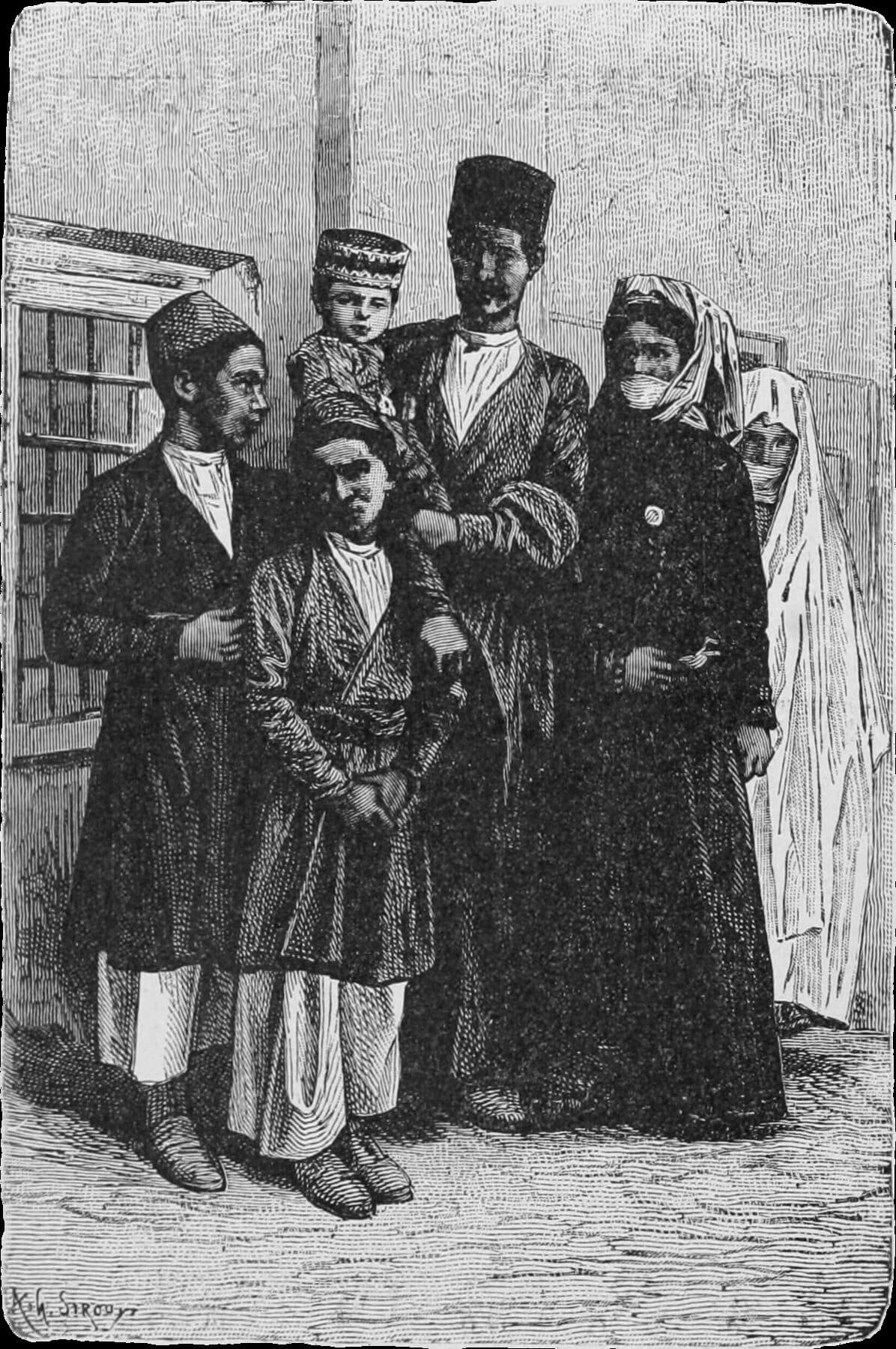
Khoskap: The Tying of the Word in the Armenian Betrothal
Before the wedding there was a sentence. How two families bound themselves to become in-laws — and why the oldest token of the promise was not a ring but a cross.
The sponsor
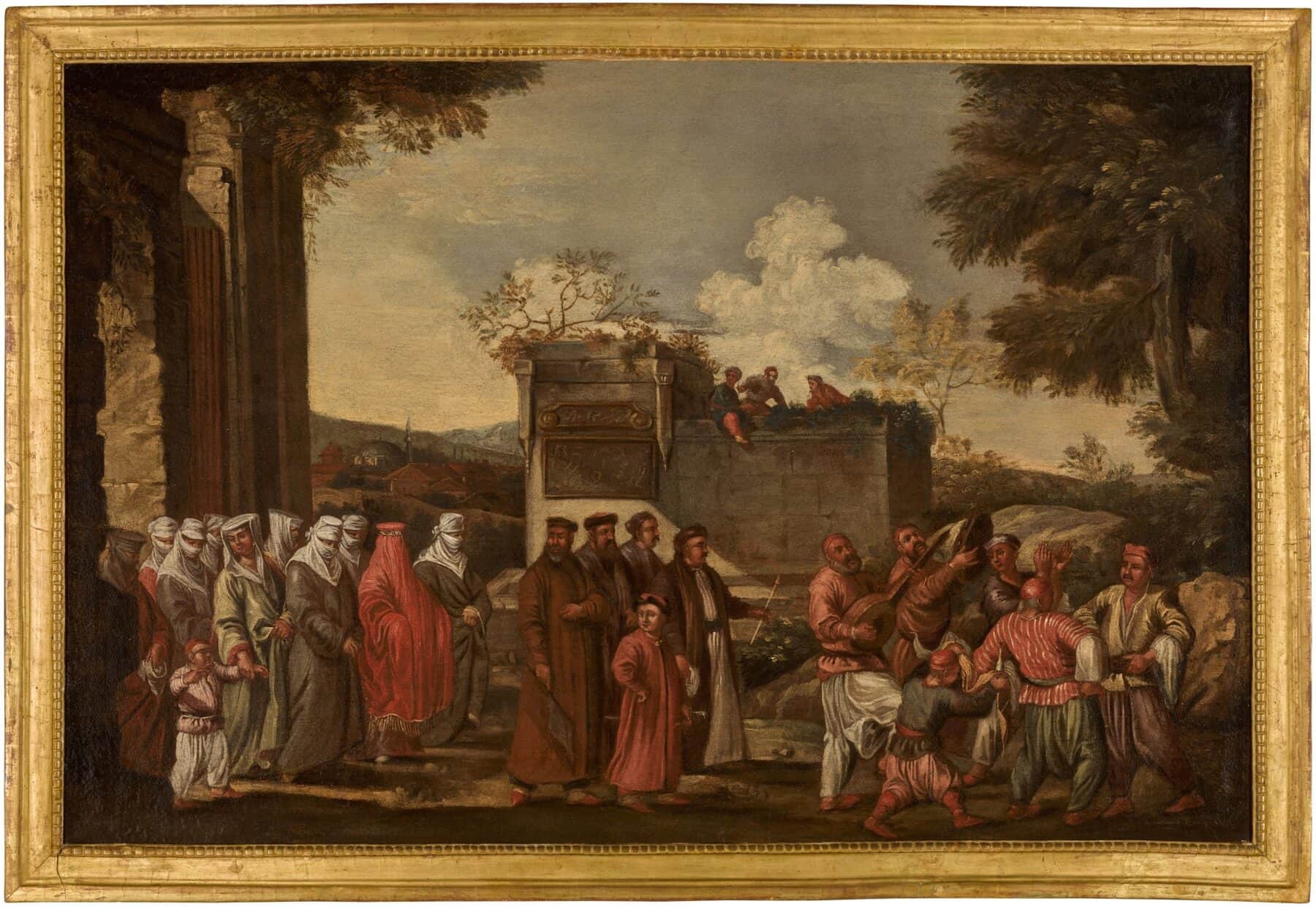
The Kavor: The Sponsor at the Heart of the Armenian Wedding
In Armenian tradition the kavor is far more than a wedding witness — a sacred sponsor and lifelong mediator whose bond reaches across the whole lineage and into the next generation.
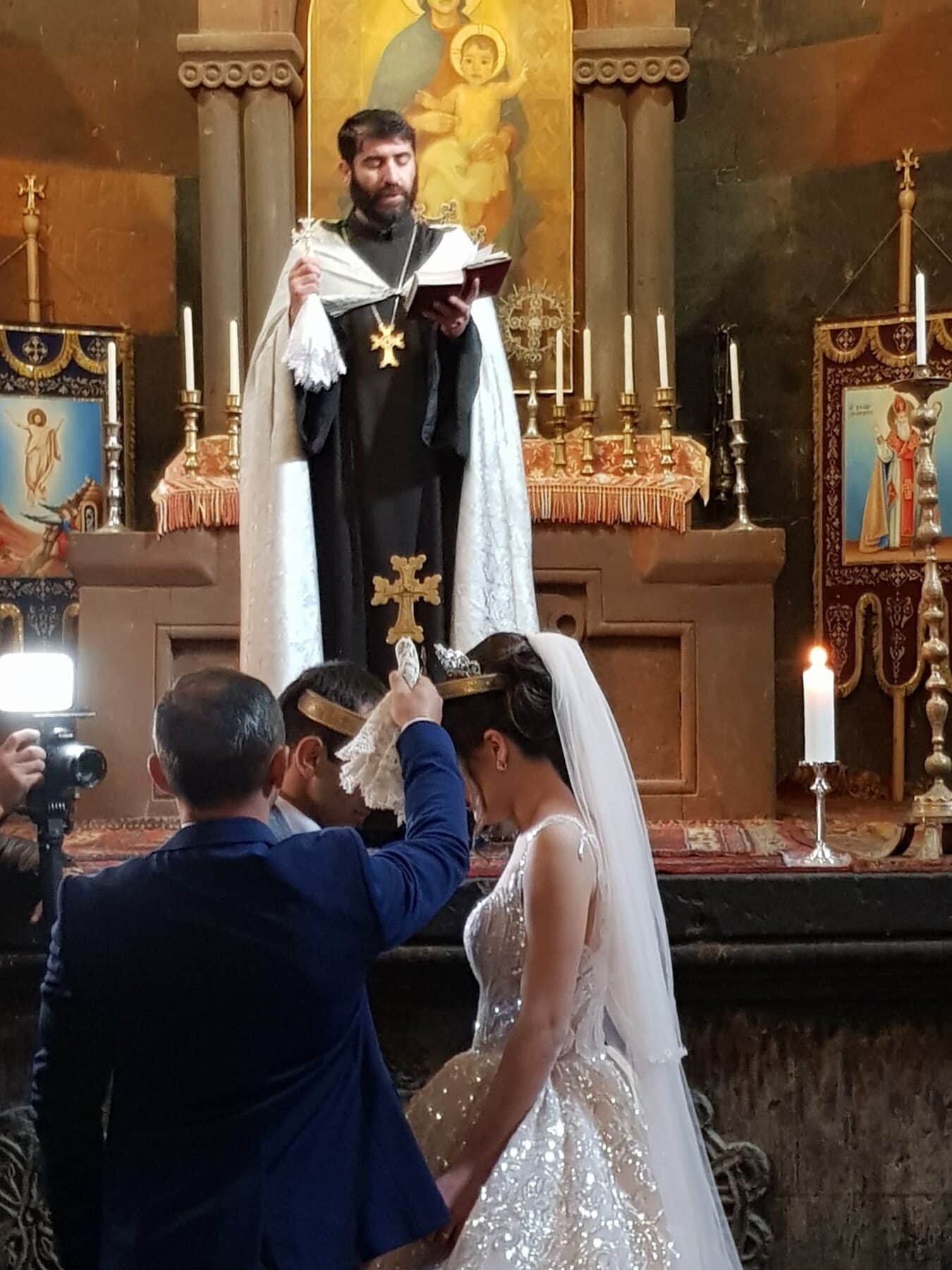
Wedding crowning at Khor Virap church · Armineaghayan · CC BY-SA 4.0
The crowning
Psak: The Crowning and the Bridal Adornment of the Armenian Wedding
In the Armenian church rite the marriage is not “signed” — it is crowned. A look at the psak, the green-and-red narot cord, and the veil and silver diadem of the bride, as liturgical and ethnographic culture.
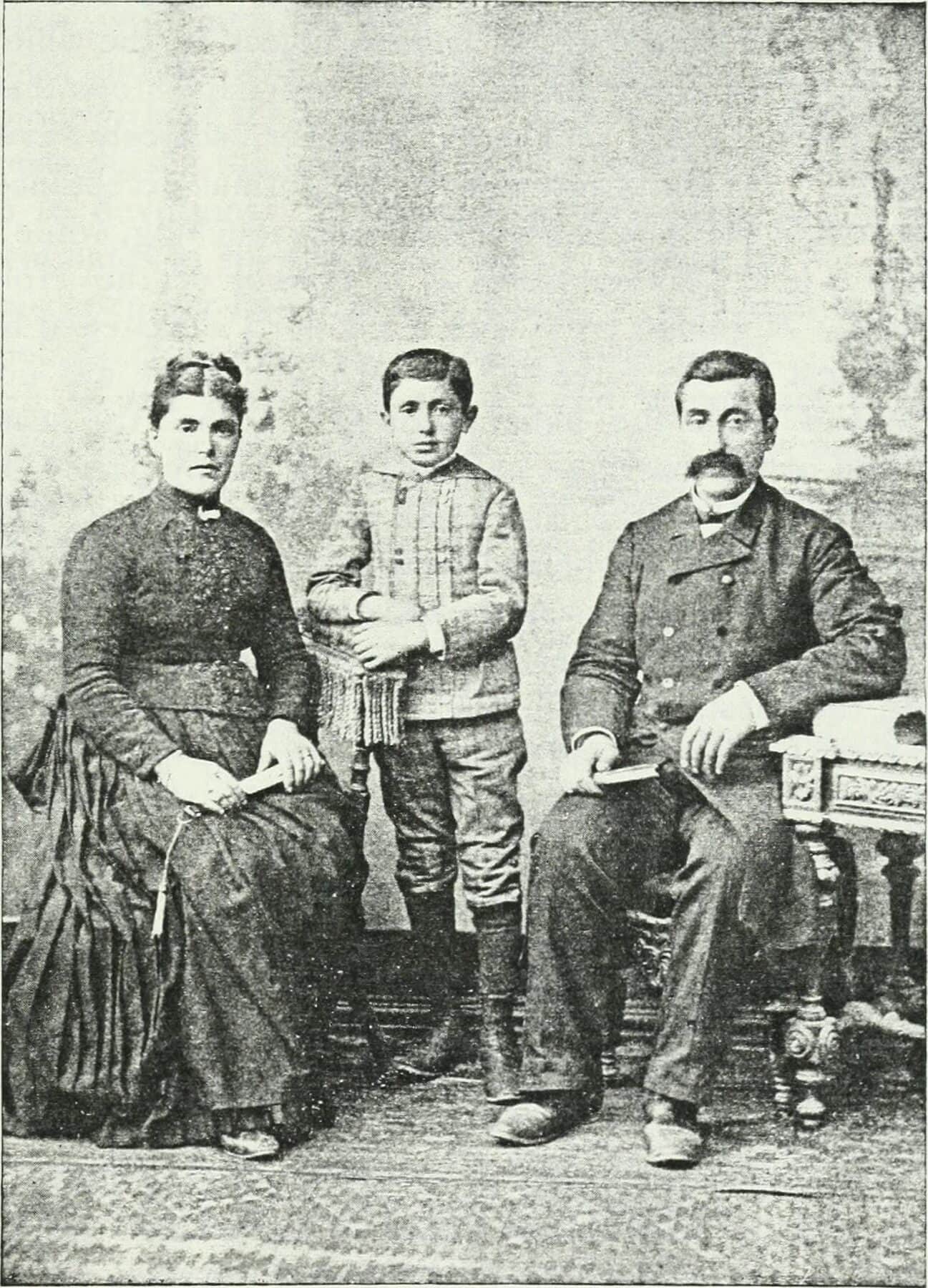
The blessed ring
Which Hand Do Armenians Wear the Wedding Ring On?
In the Armenian Apostolic crowning rite the blessed ring is placed on the left hand — but the tradition is genuinely mixed, and the “vein of love” behind it was debunked in 1646.
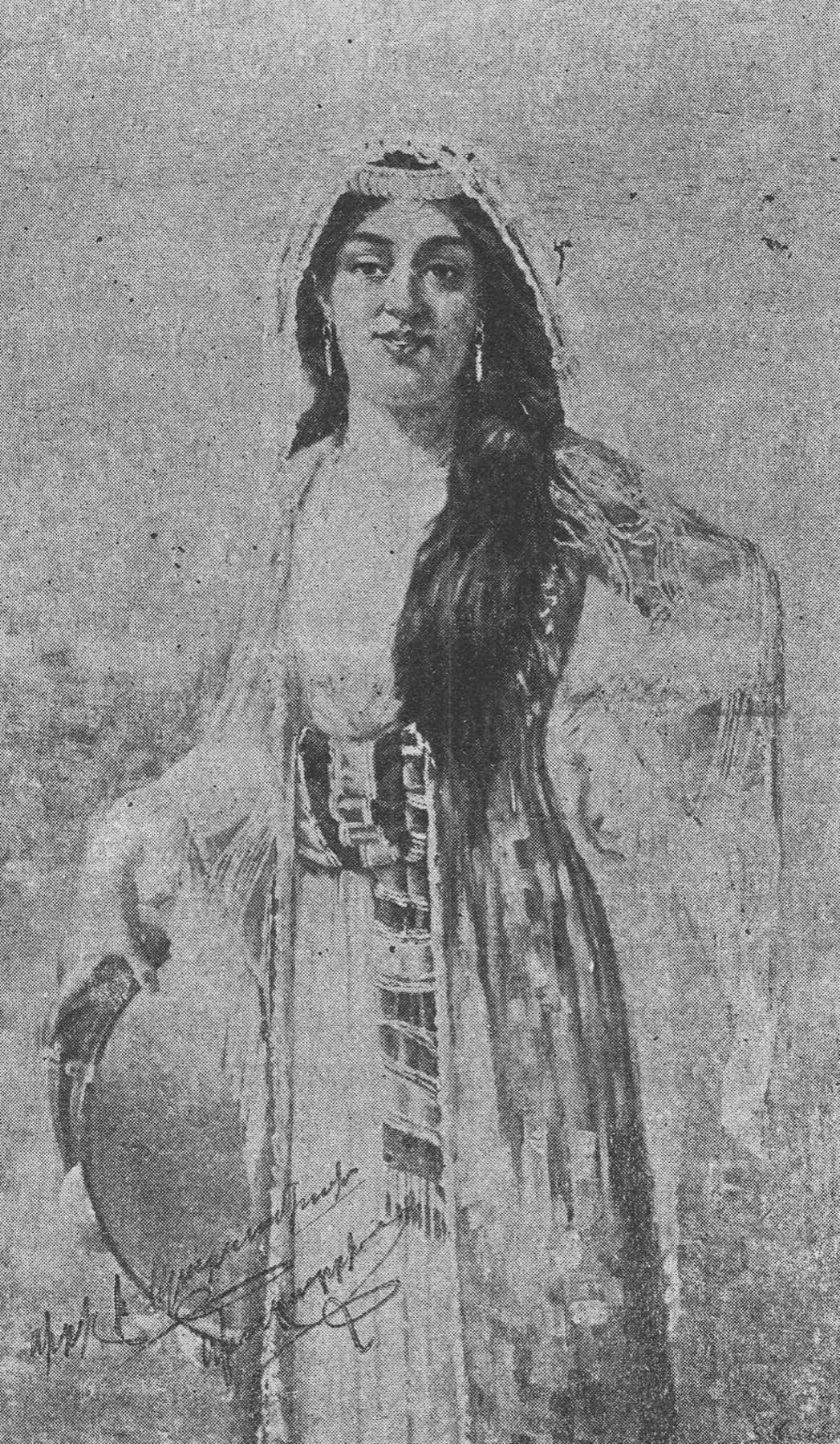
The sacred cord
The Narot: The Red-and-Green Cord of the Armenian Wedding
A braided cord of red, green, and white thread, tied on the heads of bride and groom at the Armenian church crowning — and what its colours have meant in folk belief and language.
This is an overview; the depth lives in the readings it gathers, from the tying of the word to the crowning. We publish the history of the rite first — traced always to the record, and never a price.