Foundations
Armenian Goldsmithing & History
More than three thousand years of working gold on the Armenian Highland — from the Bronze-Age forges of Metsamor to the goldsmiths of the Kingdom of Van, and the tradition that followed.
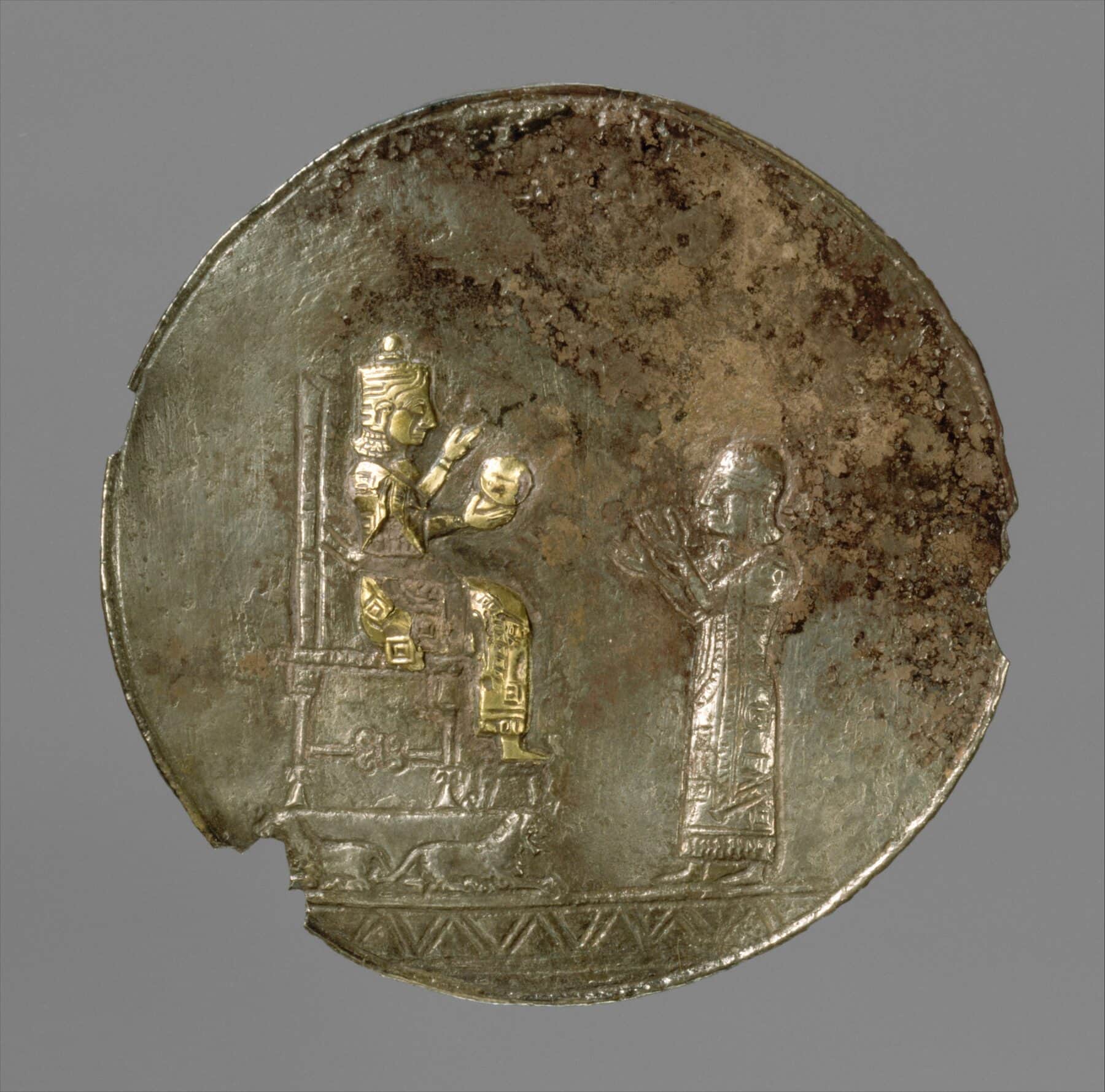
Armenian goldsmithing is one of the oldest metalworking traditions of the Armenian Highland — the practice of working gold, silver, and bronze into adornment and ritual objects, reaching back more than three thousand years to the Bronze Age workshops of Metsamor and the Iron Age kingdom of Urartu. Its deepest documented chapter is the metalwork of the Kingdom of Van, which museums from Yerevan to New York describe, simply, as a metalworking center. This page is the overview; the depth lives in the readings it gathers.
What is Armenian goldsmithing, and how far back does it go?
The tradition is older than any one kingdom. The Bronze Age metallurgical substrate of the Armenian Highland — sites such as Lchashen, Artik, Lori Berd, and Metsamor — long predates the historical states. The oldest gold jewelry known from the territory of Armenia comes from Metsamor, a settlement with a complete metalworking cycle of palace, shrines, and smelter-foundry workshops, where a carnelian-and-gold necklace was among the finds. From that substrate, the craft enters the documented record in the Iron Age, with the goldwork of Urartu.1Metsamor — “a significant metallurgical centre” with industrial-scale kilns and a carnelian-and-gold necklace; the oldest gold jewelry from the territory of Armenia. — Jakubiak & Bigoraj, Antiquity 94 (2020).
Why do museums call Urartu a “metalworking center”?
Because the description is institutional consensus, not a flourish. The Metropolitan Museum of Art records that Urartian bronzes “were coveted throughout the Mediterranean world,” the History Museum of Armenia catalogues highly artistic gold and silver jewellery from Urartian sites, and the Turkish state heritage authority states plainly that metal processing was one of the most important areas of Urartu art. The scale of royal goldwork is fixed by an enemy’s own ledger: when Sargon II of Assyria sacked the temple at Musasir in 714 BC, his scribes inventoried thirty-four talents of gold and one hundred sixty-seven talents of silver from a single temple. The full account is in the reading below.2“Urartian bronzes were coveted throughout the Mediterranean world.” — Metropolitan Museum of Art, Heilbrunn Timeline of Art History.3Sargon II’s 714 BC inventory of the temple at Musasir: 34 talents of gold and 167 talents of silver. — Harvard HIST 1039, citing the primary cuneiform record.
What techniques did Armenian goldsmiths use — and which came later?
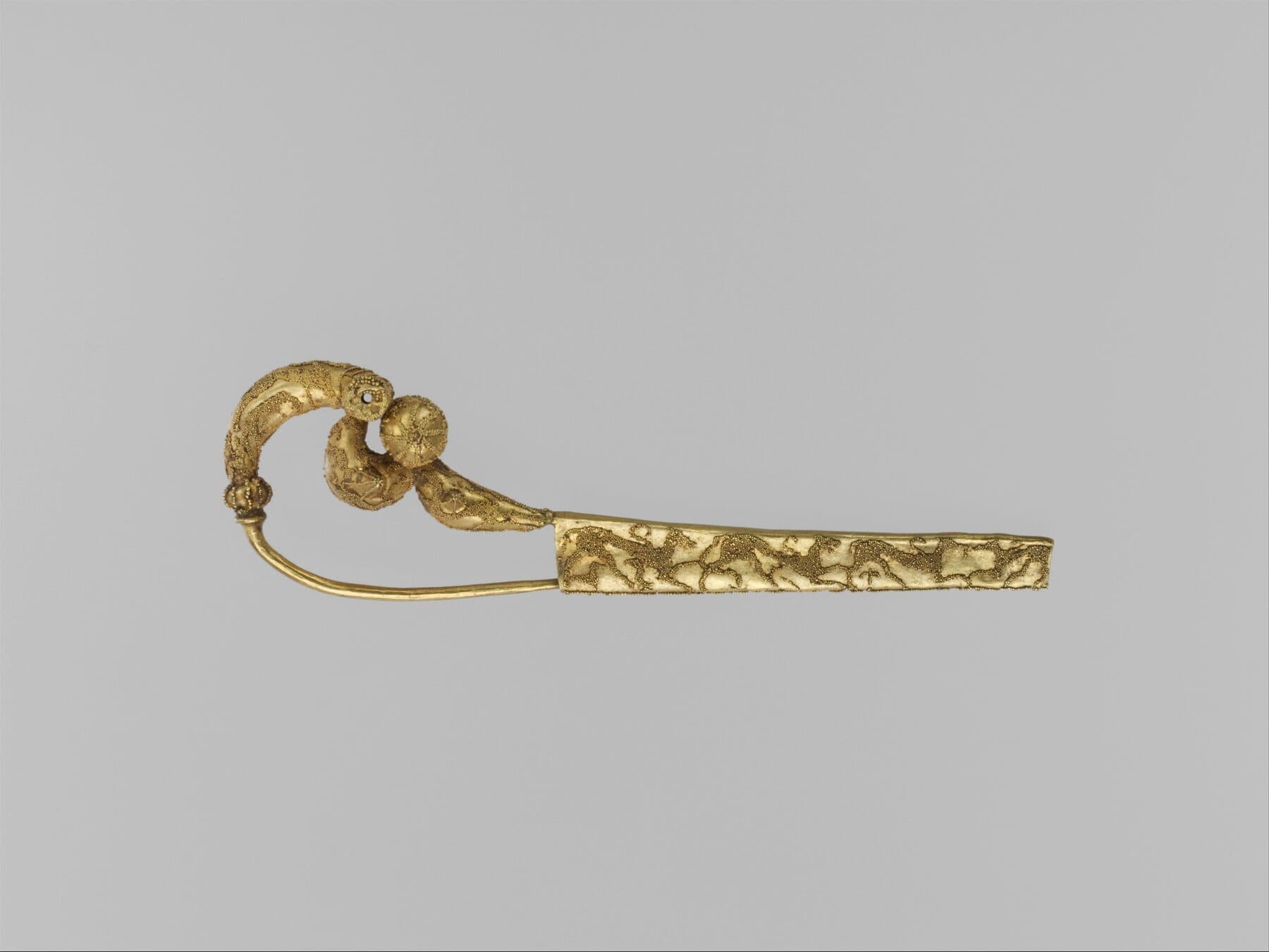
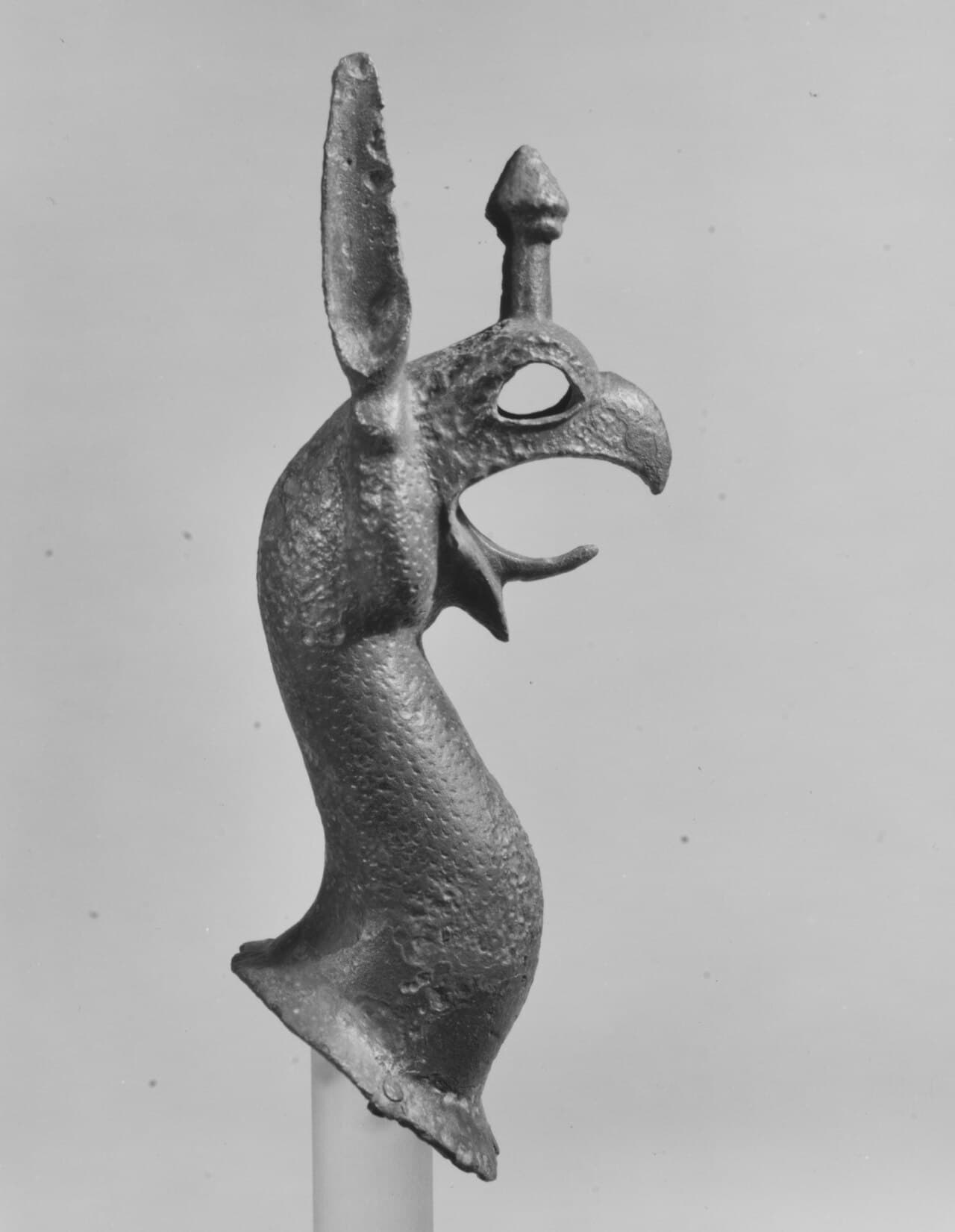
The named technique vocabulary is deep and, for the Urartian period, primary-source-graded: the lost-wax (cire-perdue) method, casting and forging, with engraving, embossing, repoussé, stamping, inlay, filigree, and granule work. Granulation — fine soldered grains — is described as especially characteristic of the precious-metal work, and gilding was widespread, with many small bronzes still carrying traces of gold leaf.4“The lost-wax (cire-perdue) method, casting, and forgeing… engraving, embossing… filigree, and granule work.” — Çavuşoğlu, Gökce & Işık, Anatolica 40 (2014).
Two cautions belong in any honest overview. The famous filigree and granulation of Armenian goldwork are attested for Urartu; cloisonné enamel and niello are well attested in later Armenian metalwork but are not confirmed by a primary Urartian source — they belong to the downstream tradition, and this page does not claim them for Urartu. Each technique deserves its own explainer: filigree and granulation, and lost-wax casting, now have one among the readings below.
How does Urartu connect to the later Armenian tradition?
Carefully. Specialists read Urartian goldwork as the headwater of a long Armenian metalworking tradition — Professor Dickran Kouymjian frames “a near continuous tradition of metal objects from the first millennium B.C. to the present.” We present that through-line as the consensus reading of these scholars, not as a proven, technique-by-technique lineage: no graded source demonstrates an unbroken transfer of specific techniques from Urartian into medieval Armenian goldsmithing.5“A near continuous tradition of metal objects from the first millennium B.C. to the present.” — Dickran Kouymjian, Fresno State Armenian Studies.
The chapters between Urartu and the present — the Armenian goldsmiths of the Ottoman court, and the gem trade of the New Julfa diaspora — are told in their own readings below, alongside a primer on the signature techniques of the craft, filigree and granulation. The modern revival of Armenian goldsmithing is a study still in preparation; we publish each chapter only when it is traced to the record.
From Yerevan to New York, museums describe Urartu, simply, as a metalworking center.
Readings in this pillar
The long arc
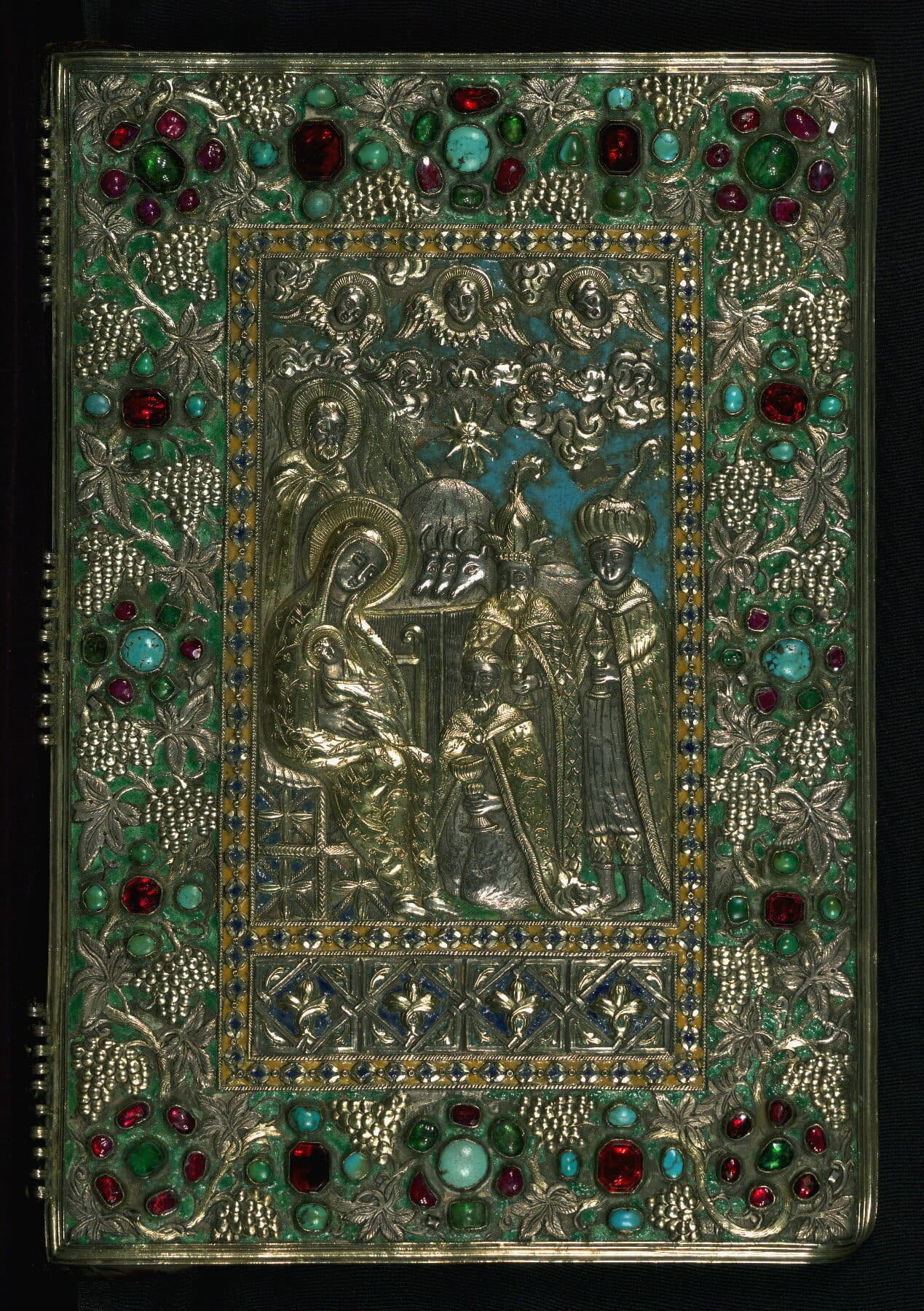
A History of the Armenian Goldsmiths
Three thousand years of metal in one graded survey — from the master metalworkers of Urartu to the Ottoman mint and the filigree workshops of Van.
The Iron Age
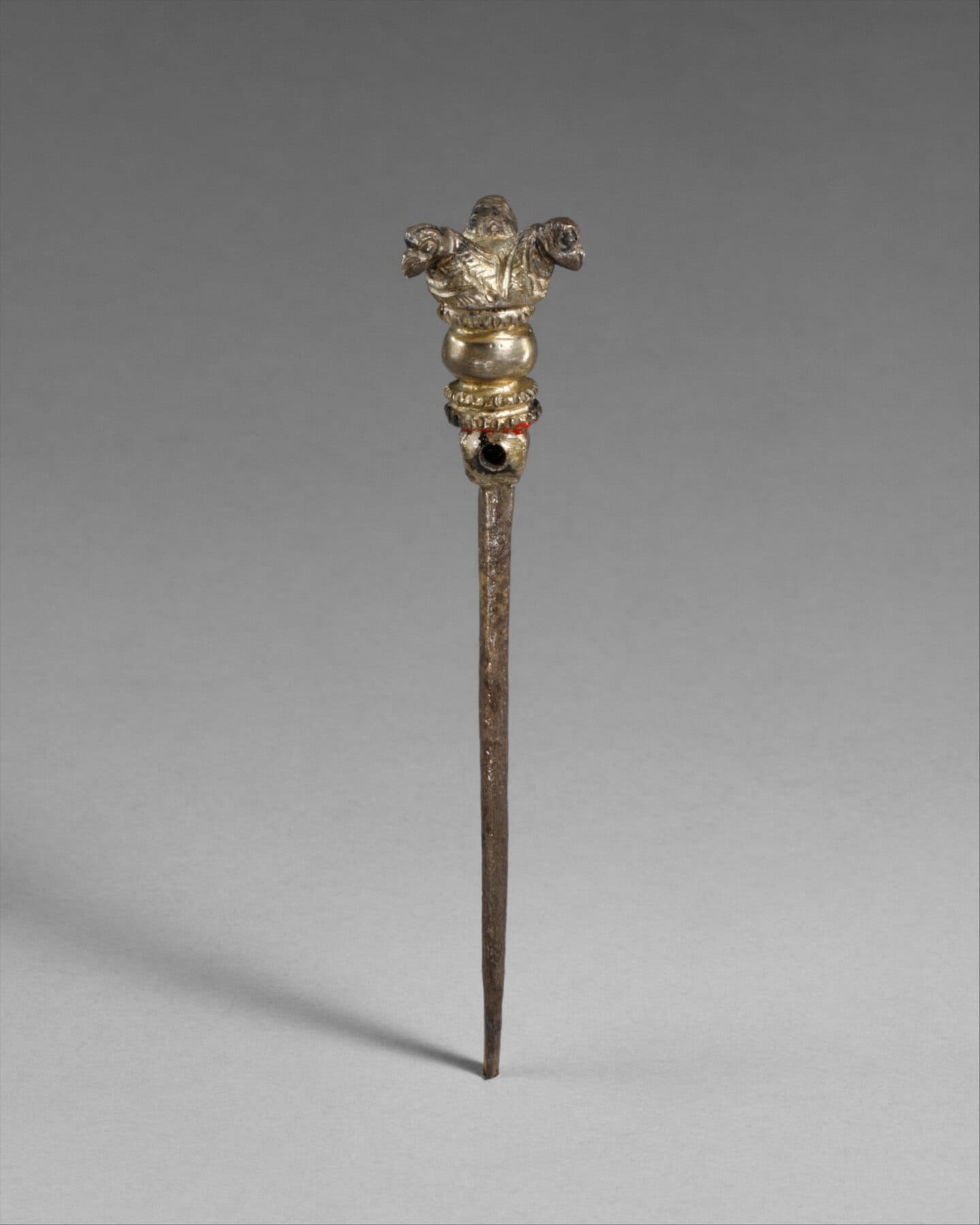
Ancient Armenian (Urartian) Goldsmithing
The metalwork of the Kingdom of Van — and why museums from Yerevan to the Met call Urartu, simply, a metalworking center.
The Ottoman centuries
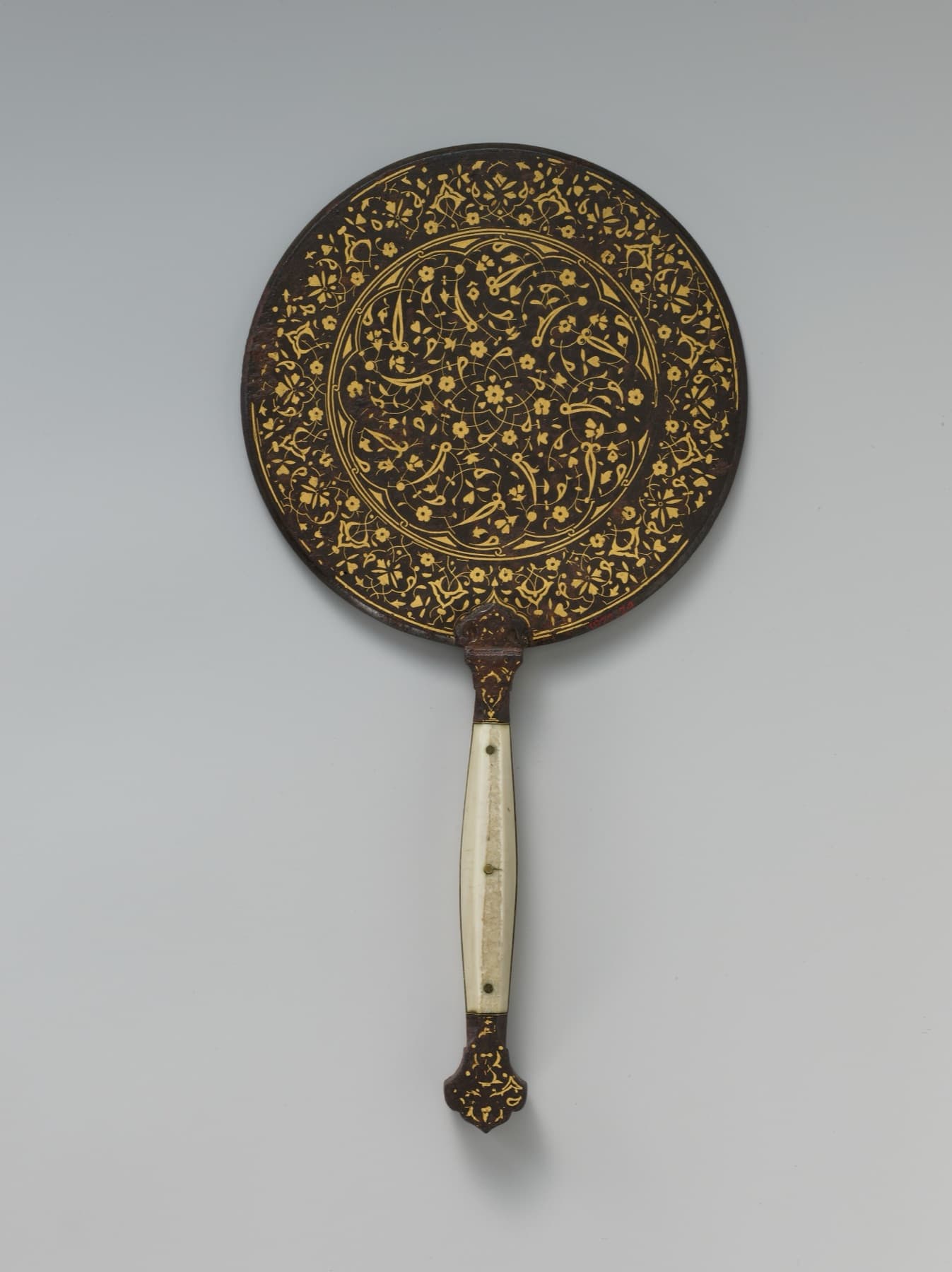
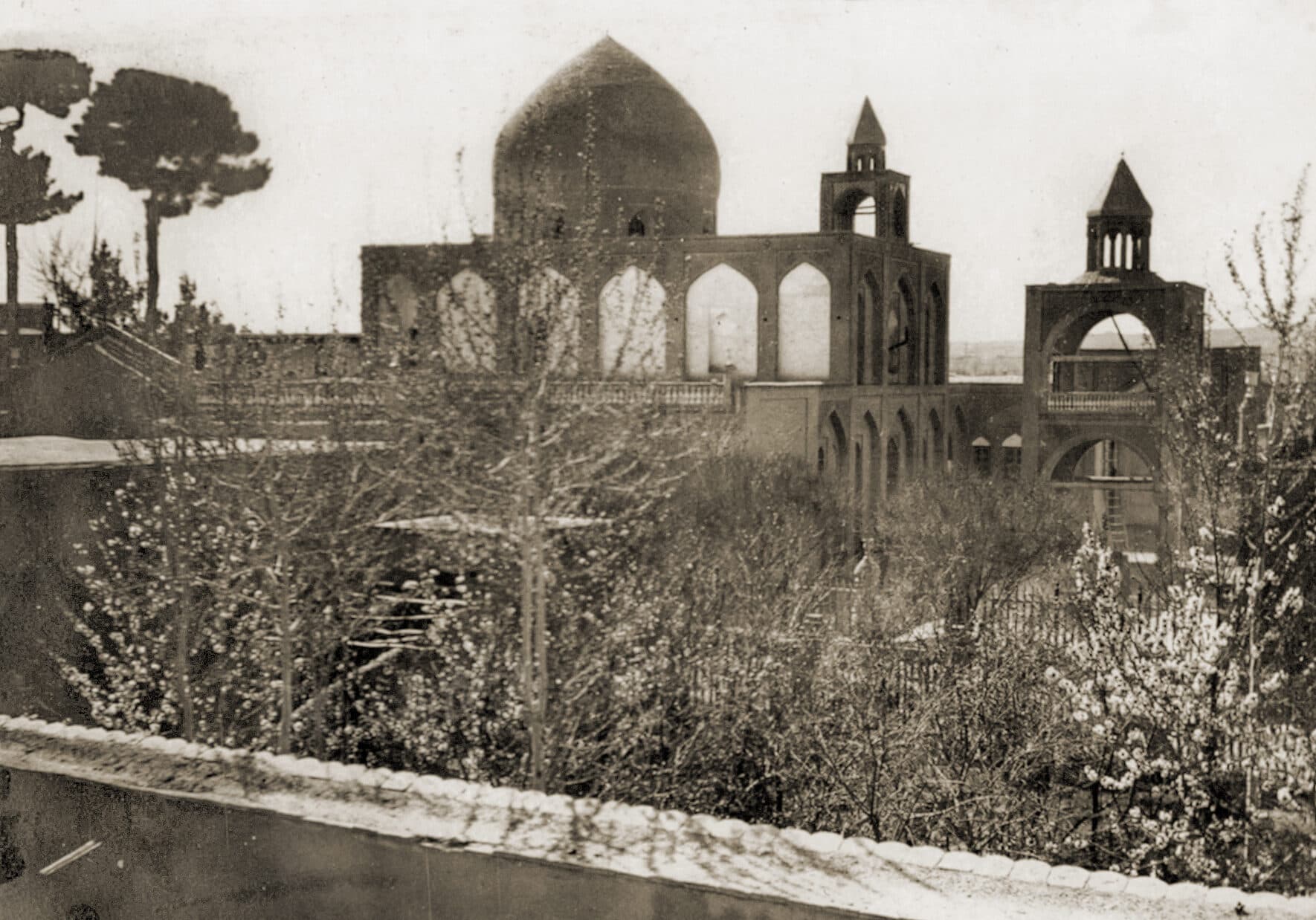
Armenian Goldsmiths of the Ottoman Court
The Armenian masters — the amira class — who ran the Ottoman treasury, the imperial mint, and the empire's luxury craft.
The diaspora trade
New Julfa and the Gem Trade
The Armenian merchant diaspora of New Julfa and its role in the early-modern trade in silk and precious stones.
The craft
Filigree & Granulation: A Technique Primer
How the two signature techniques of Armenian goldwork are made — twisted wire and fused grains of gold.
Casting
Lost-Wax Casting: A Technique Primer
How metal is cast from a wax model — the cire-perdue method, and its documented place in Urartian goldsmithing.
This is an overview; the depth lives in the readings above, and in the ones we are still writing. We publish the history first — traced always to the record, and never a price.